DECEMBER 2025
Mischief Managed: Chef Erica Paredes Refuses To Play a Role
WORDS BY MI MI CHLOE PARK
PHOTOGRAPHY BY SOPHIE CHEN
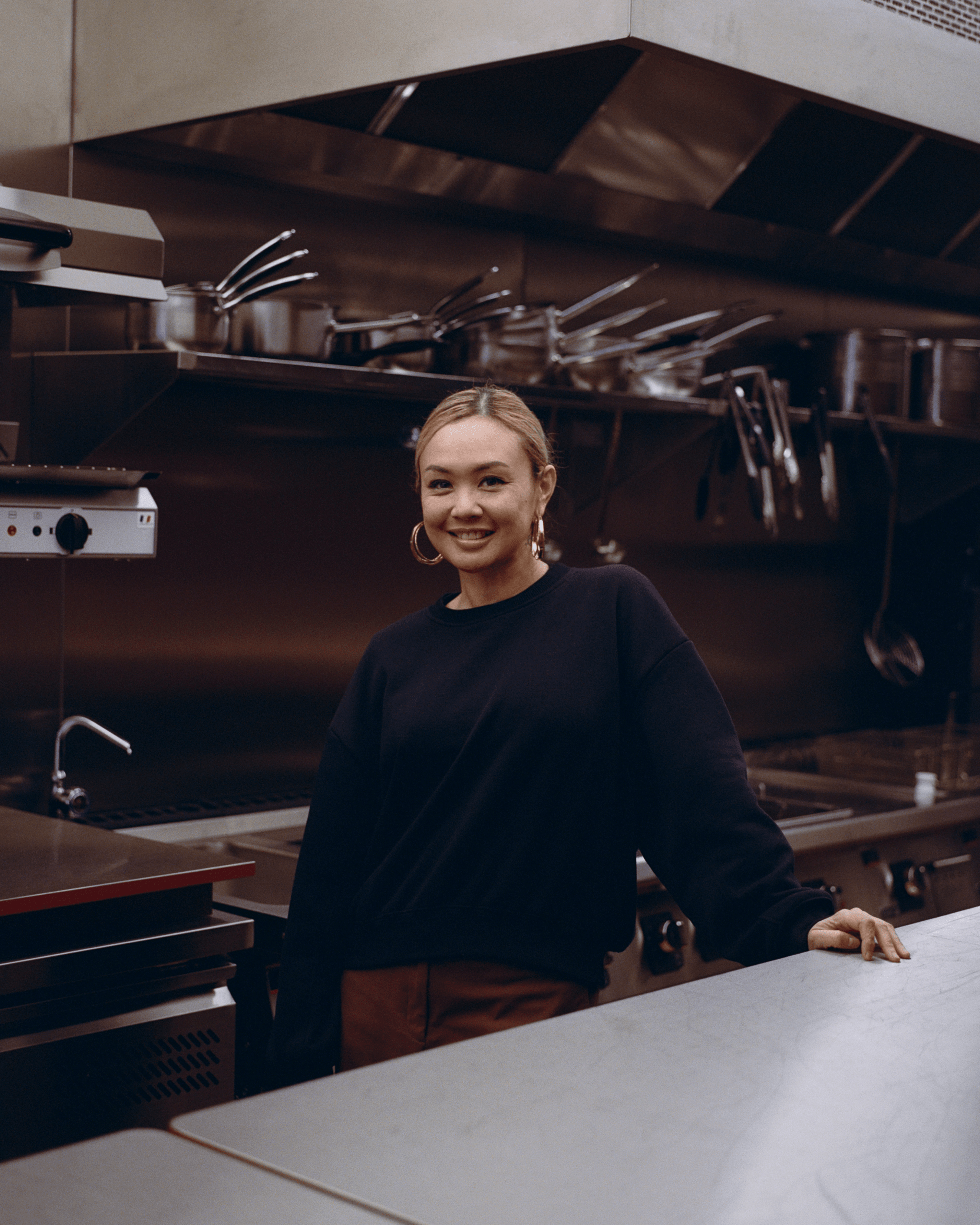
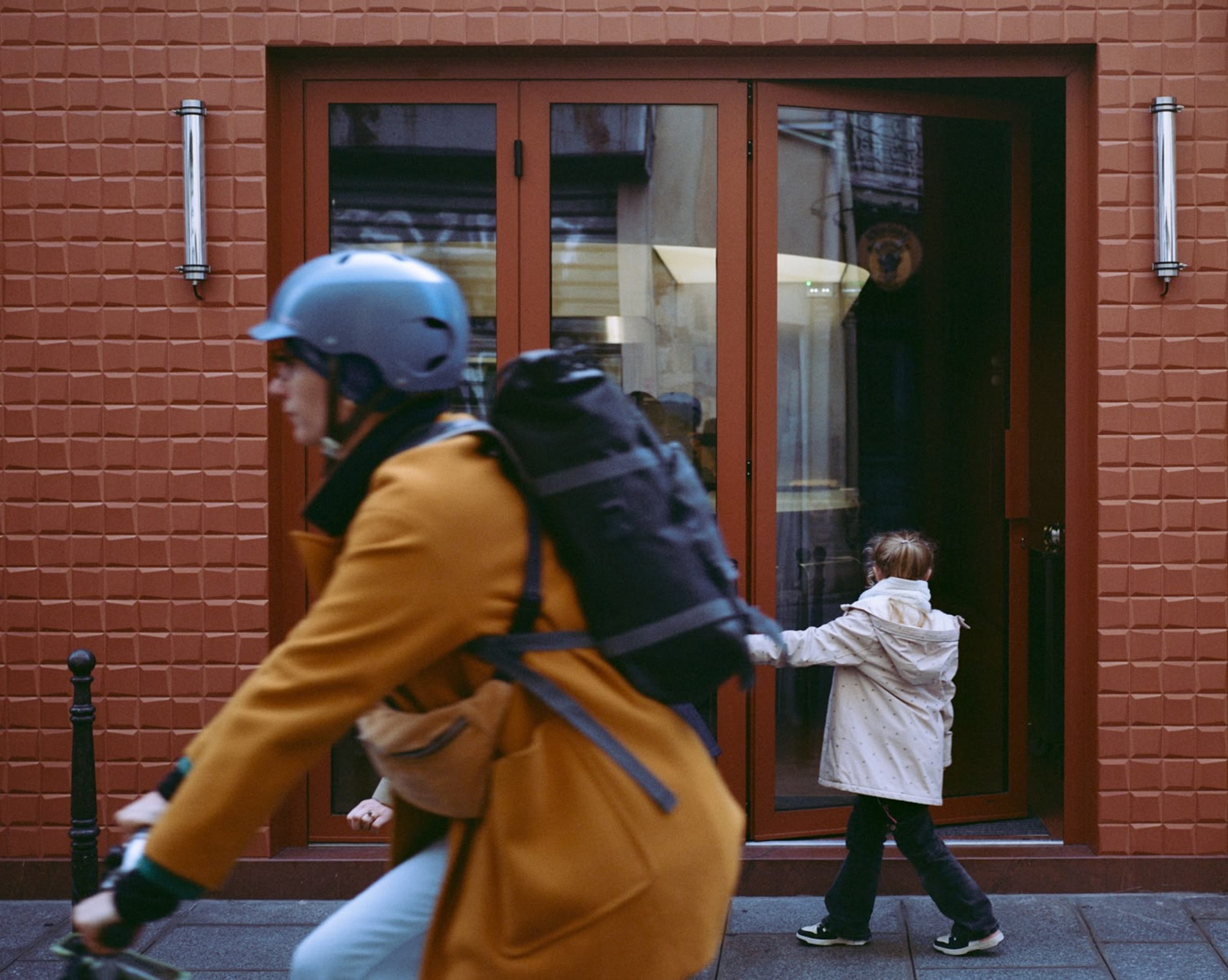
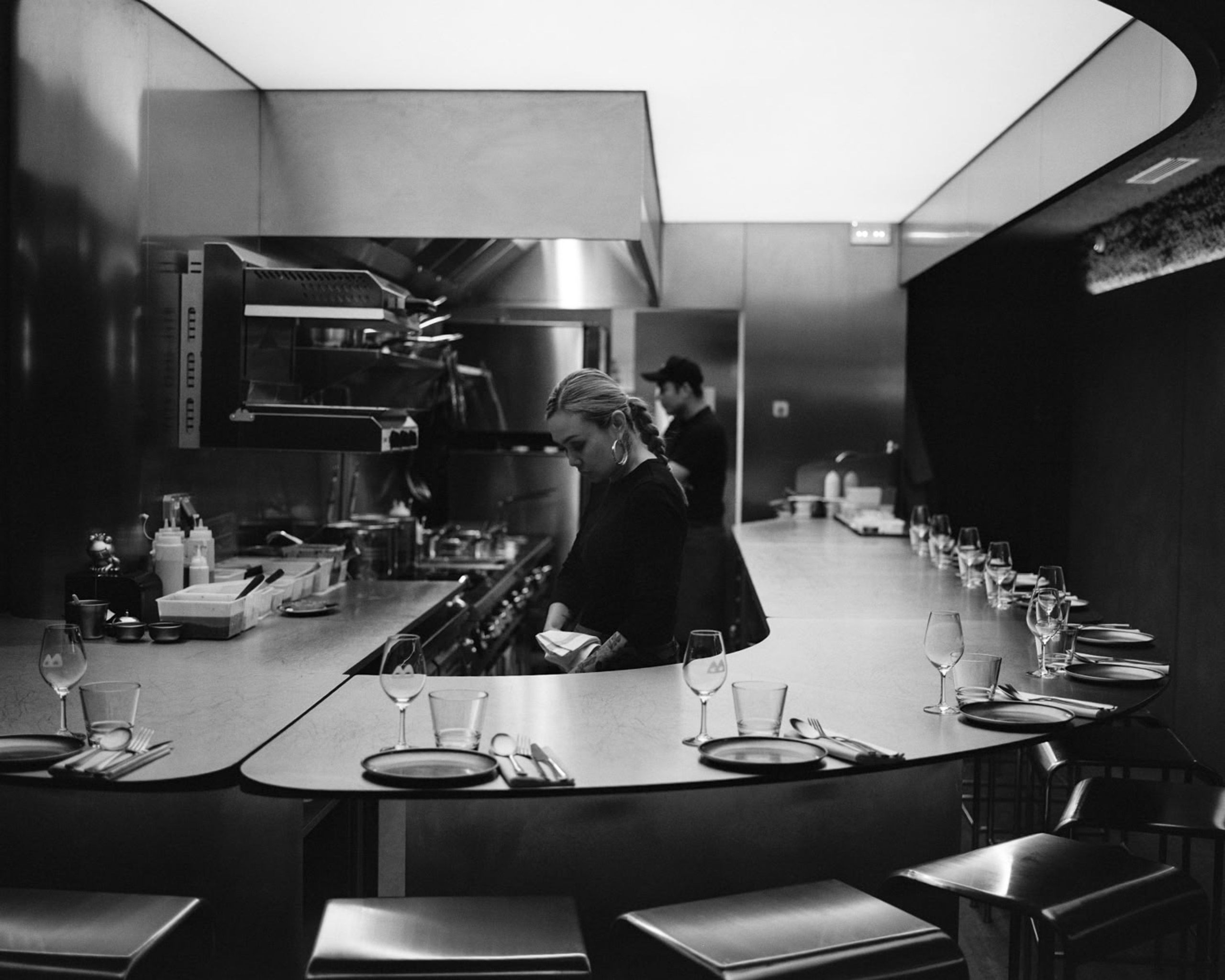
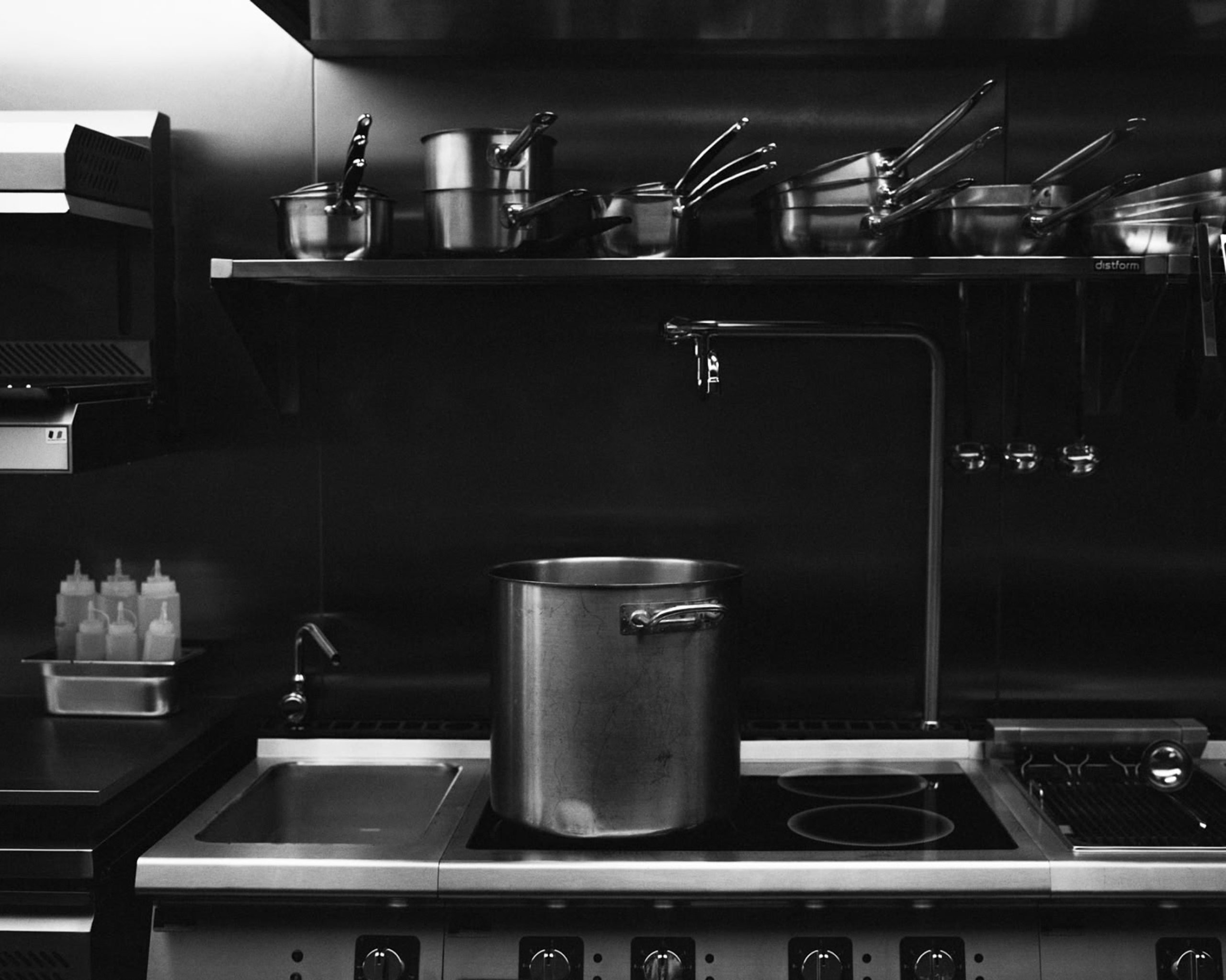
On certain nights at Mischief in the 3rd arrondissement, the kitchen looks like a small boxer rebellion in motion. Twenty tickets line the rail, steam fogs the pass, and plates carry flavors far from the classic Parisian palette: A pan of housemade Spaghettios, layered with bone marrow and anchovy. A pho served without broth, still carrying the pulse of Hanoi, filtered through Manila and the ever-trendy Rue des Gravilliers.
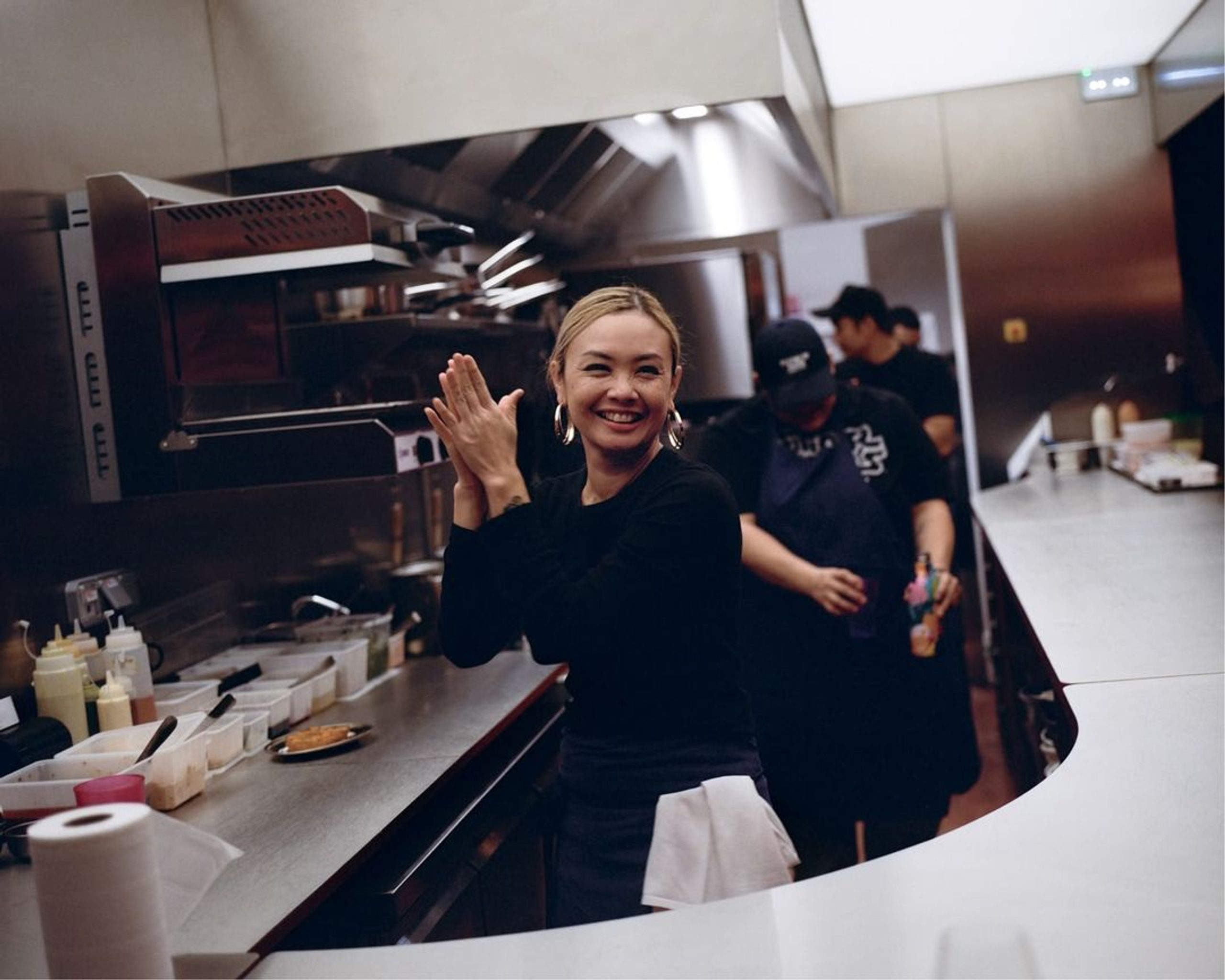
In the center of it stands Erica Paredes, head down, voice sharp, eyes everywhere. She jokes with her team, then sends a plate back for a smudge of sauce on the rim. Guests might only see a calm, open kitchen with a confident chef in charge. Yet underneath the semblance sits something with gravity: a Filipino woman who carved out a life in a city that worships tradition. Paris likes its rules. Paredes cooks for the people who grew tired of them.
From Manila to Paris, with No Safety Net
Paredes arrived in Paris almost a decade ago, with neither family close by nor a familiar couch waiting.
Manila shaped her early years, Sydney sharpened her edges, and Paris became the first city she claimed entirely through her own force.
“This is the longest I have stayed anywhere,” she says. “I chose it for myself, then turned it into home.”
She talks about her early years in Paris with dry humor. In a city that often rewards traditional culinary conformity, in the beginning, she tried to blend in. Black clothes. Softer voice. A version of herself that fit neatly into a Parisian dining room.
The moment she began cooking dishes that spoke to her own history, everything shifted. Diners responded. Friends returned with more friends. The city that once asked her to assimilate started to adjust itself around her instead.
Her first restaurant, Reyna, sits inside this evolution. Mischief, which opened recently, pushes it further.
A Name that Refuses to Behave
“Mischief” sounds cute until you witness Paredes’s use of the word. For her, mischief belongs to children who pull a stunt driven by curiosity, not malice. A kid tests the boundary simply to see where the line sits.
This spirit runs through the menu. She grew up on canned Spaghettios as an afternoon snack, a quiet ritual in front of the television. At Mischief, the memory returns dressed differently. The plate tastes familiar and unsettling at the same time, like a childhood TV rerun viewed on an HD screen. Memory becomes elevated.
The first time I dined at Mischief, I took a seat at the monolithic steel counter and watched the room unfold. From that vantage point, I saw diners lean into their plates with real pleasure, each table carrying its own small burst of joy.
One guest nearly cried at the sight of the donut-shaped Spaghettios. “This was my struggle meal growing up,” he told her. For Paredes, it was merienda in Manila, eaten out of a bowl after school. Two very different lives, the same processed comfort, suddenly made intentional.
A similar logic shapes the lamb pho. The soup thickens into a thick sauce that clings to noodles. Herbs become a Vietnamese-style chimichurri. Lamb—braised, pulled, and pressed into a little block—replaces the usual beef. The first forkful still reads as pho. The structure feels altered, yet the soul remains.
“I know the rules,” she says. “I choose when to bend them. That is when the dishes that feel most like me appear.”
When Paredes moved to Paris, Filipino food existed mostly as rumor. Guests asked if it resembled Thai or Vietnamese food. Evidently, geography was their only reference point. She would explain that Filipino cooking absorbed centuries of external influence: Spanish rule for three hundred years, American fast food culture, Chinese and Japanese trade routes, and the oldest Chinatown in the world. Adobo, longganisa, sweet spaghetti, and fried chicken share the same table.
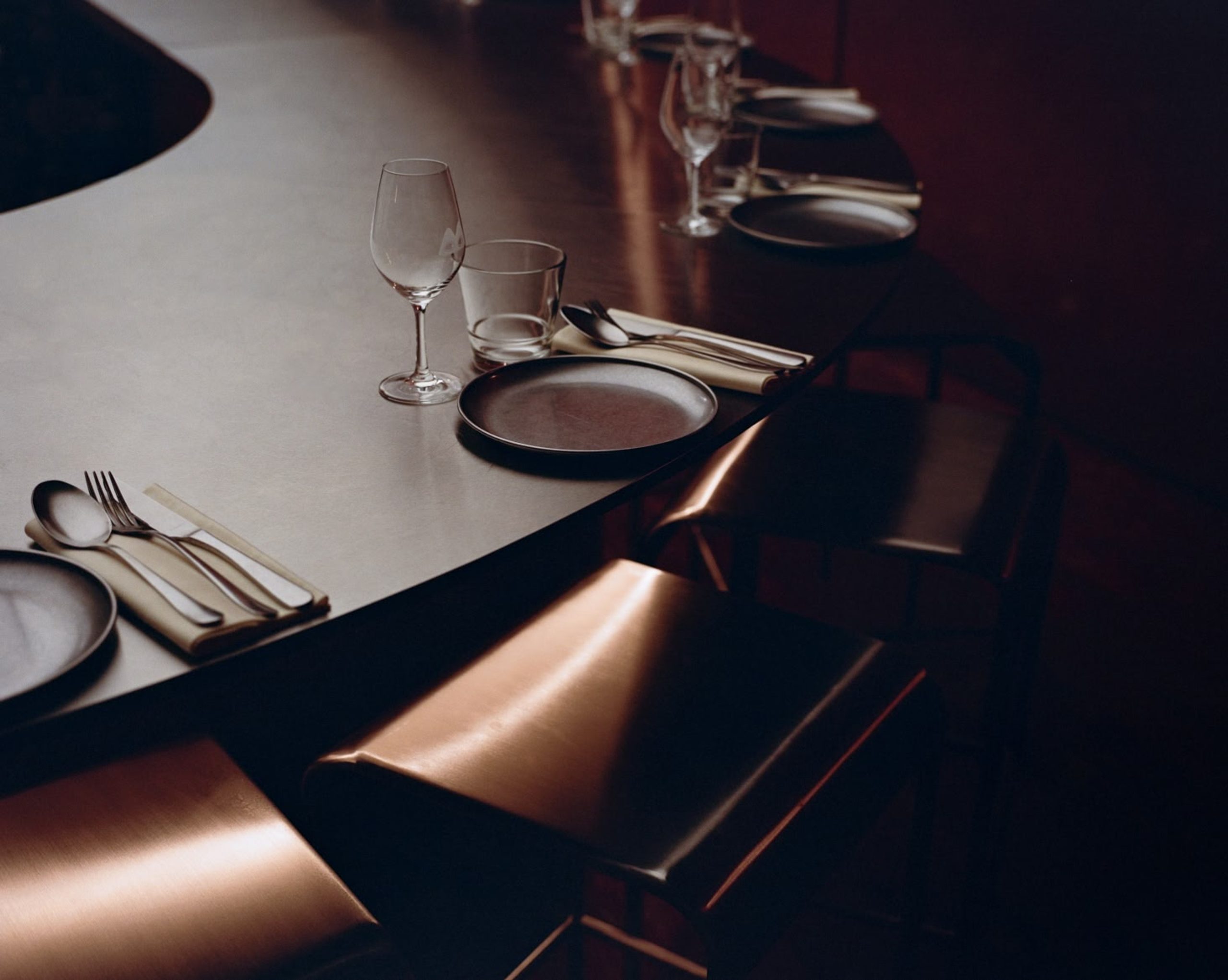
Reyna never tried to mimic a Manila dining room. No staged jeepney props, no tropical plants for Instagram. The room feels like a Parisian restaurant. The difference lies on the plate, where Filipino flavors slip into European forms.
She prefers to start from similarity rather than difference. A steak au poivre becomes a bistek-adjacent steak with Kalamansi pepper sauce. Guests who would hesitate in front of something entirely foreign find a familiar anchor, then discover another place from there.
She points to other chefs who approach their own cultures with the same confidence. Rita at Kubri for Lebanese, Ruba at Dirty Lemon for Palestinian, Carlos and Manu for two very different visions of Mexican cooking. These are chefs who refuse to costume and still honor their roots.
A French culinary education instills discipline. Sauces follow a system, seasonality rules the markets, and plating aims for refinement. Paredes learned all these principles, then treated them as grammar, rather than law. If a rule does little for a dish, she sets it aside.
Her work answers a simple question: what happens when Filipino instincts move through French technique in a city that rarely encouraged either for a long time.
“I realised that whenever I cooked in a way that felt myself fully, people reacted strongly,” she says. “So I kept going.”
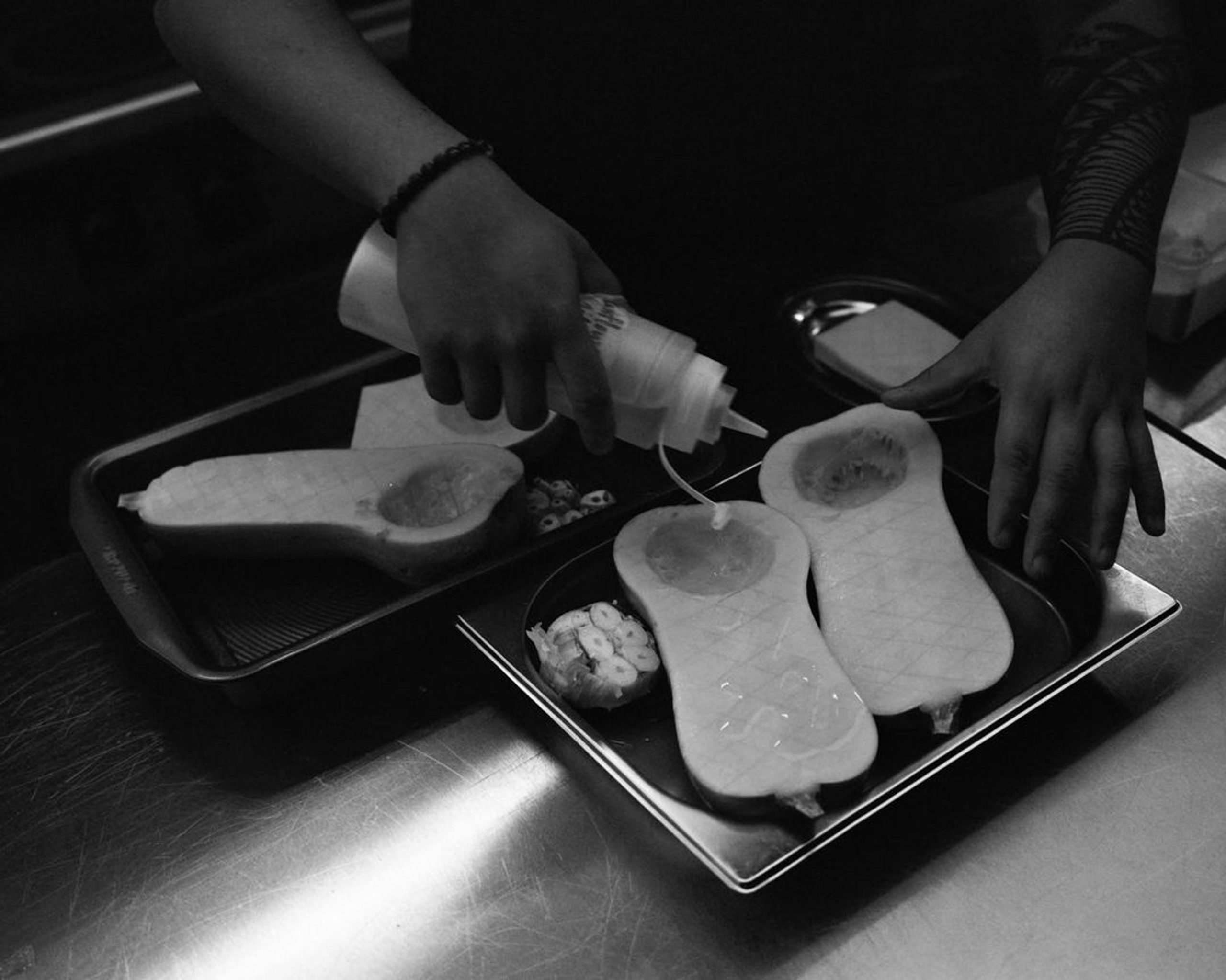
The process demanded a kind of unlearning. Less concern for alignment with an invisible standard, more respect for her own palate and story.
Women in kitchens learn early that resilience equals survival, one must possess a thick skin, with a soft center. Paredes speaks plainly about this. Her hope is for younger cooks, especially women, to cultivate a thick skin and a clear sense of self. That clarity took time for her. The pandemic accelerated the process.
“When the world feels like it might fall apart, you stop hiding,” she says.
She accepts that some people will fail to understand her food, her personality, or her approach. That truth no longer troubles her. She prefers strong reactions, even divided ones.
The right guests return. The others drift to safer rooms—Paris offers plenty of those.
Off-menu life at Reyna already exists. Regulars request fried chicken with the Kalamansi pepper steak sauce, a combination that never appears in print but circulates through whispers and group chats. At Mischief, the secret menu lives in formation. The langoustine bisque fries she improvised after service already gained a small following.
Call it instinct, call it rebellion; whatever the name. Paredes, in her own terms, has managed Mischief.
LATEST STORIES
Our collection of digital stories highlighting the food & beverage community, beyond the coverage of our printed issues.