MARCH 2026
Smoke Gets in Your Eyes at Stoke
WORDS BY MI MI CHLOE PARK
PHOTOGRAPHY BY SOPHIE CHEN
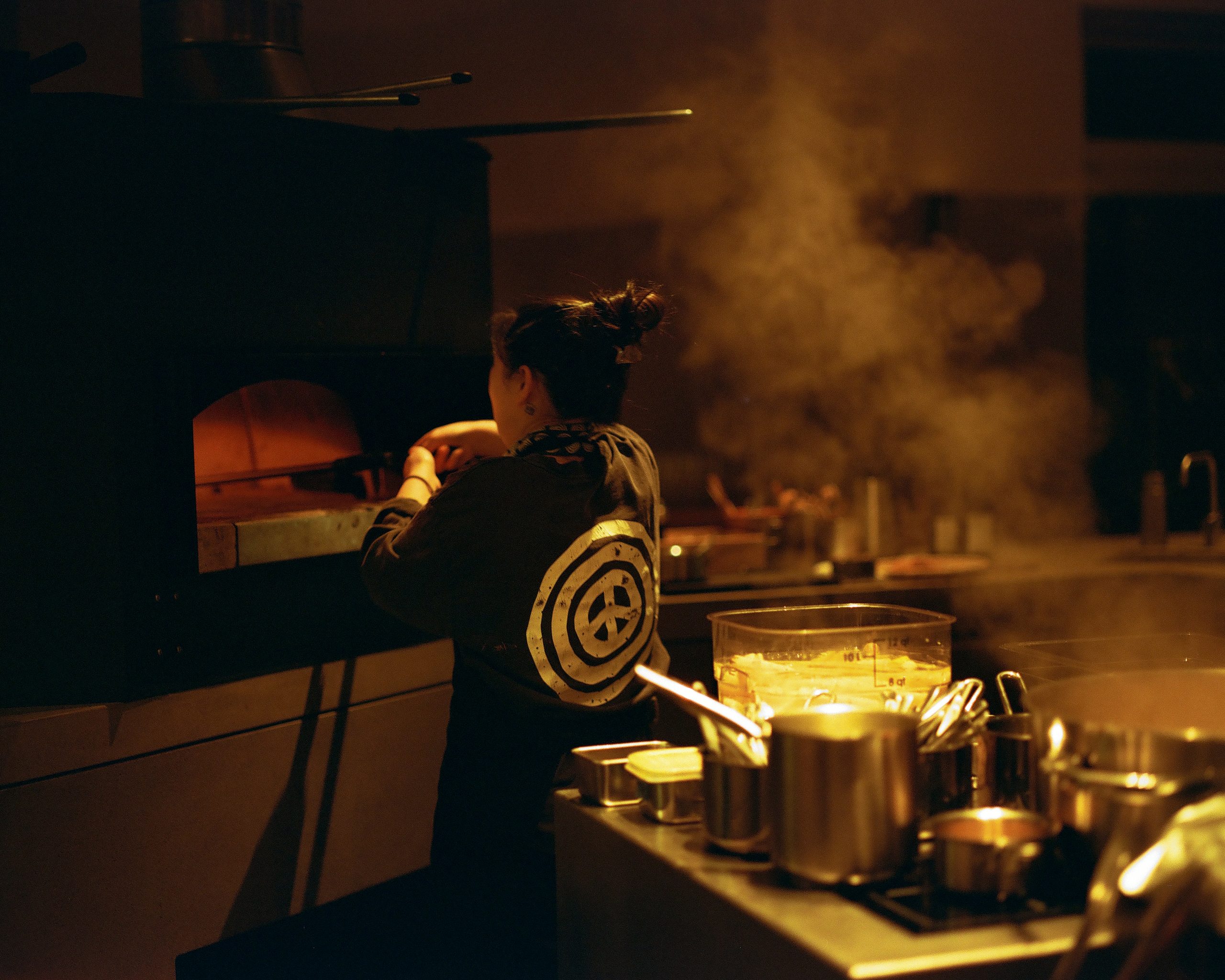
There's a particular kind of cold that belongs only to Berlin. The steel-grey, industrial kind. The sort that settles into your coat and stays. My reservation at Stoke happened to be on one of those nights. I walked through the uber cool Kreuzberg with my collar up. I caught it before I even reached the door—smoke. Real smoke. The thick, patient exhale of binchotan doing its work behind walls that had already absorbed a few thousand fires.
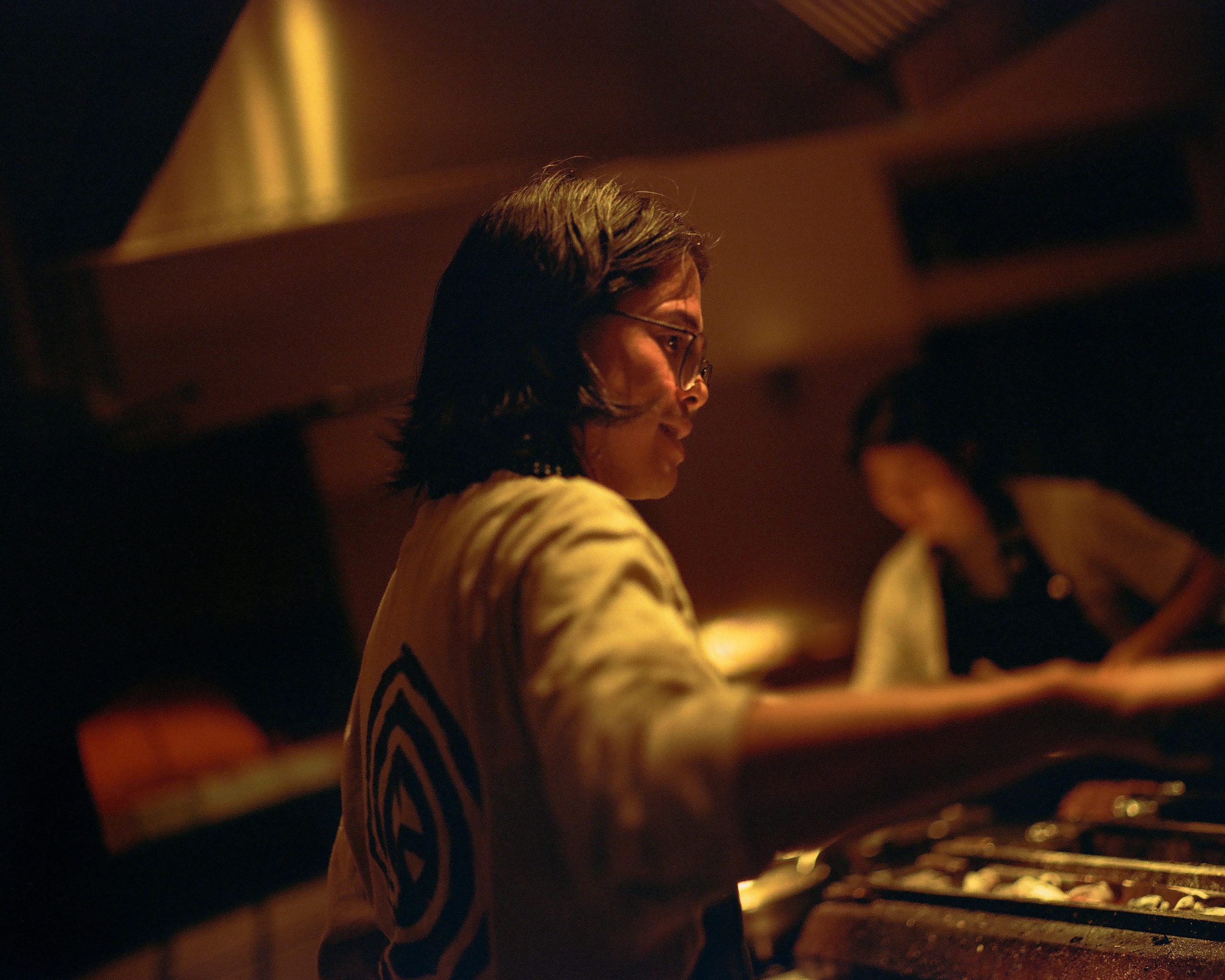
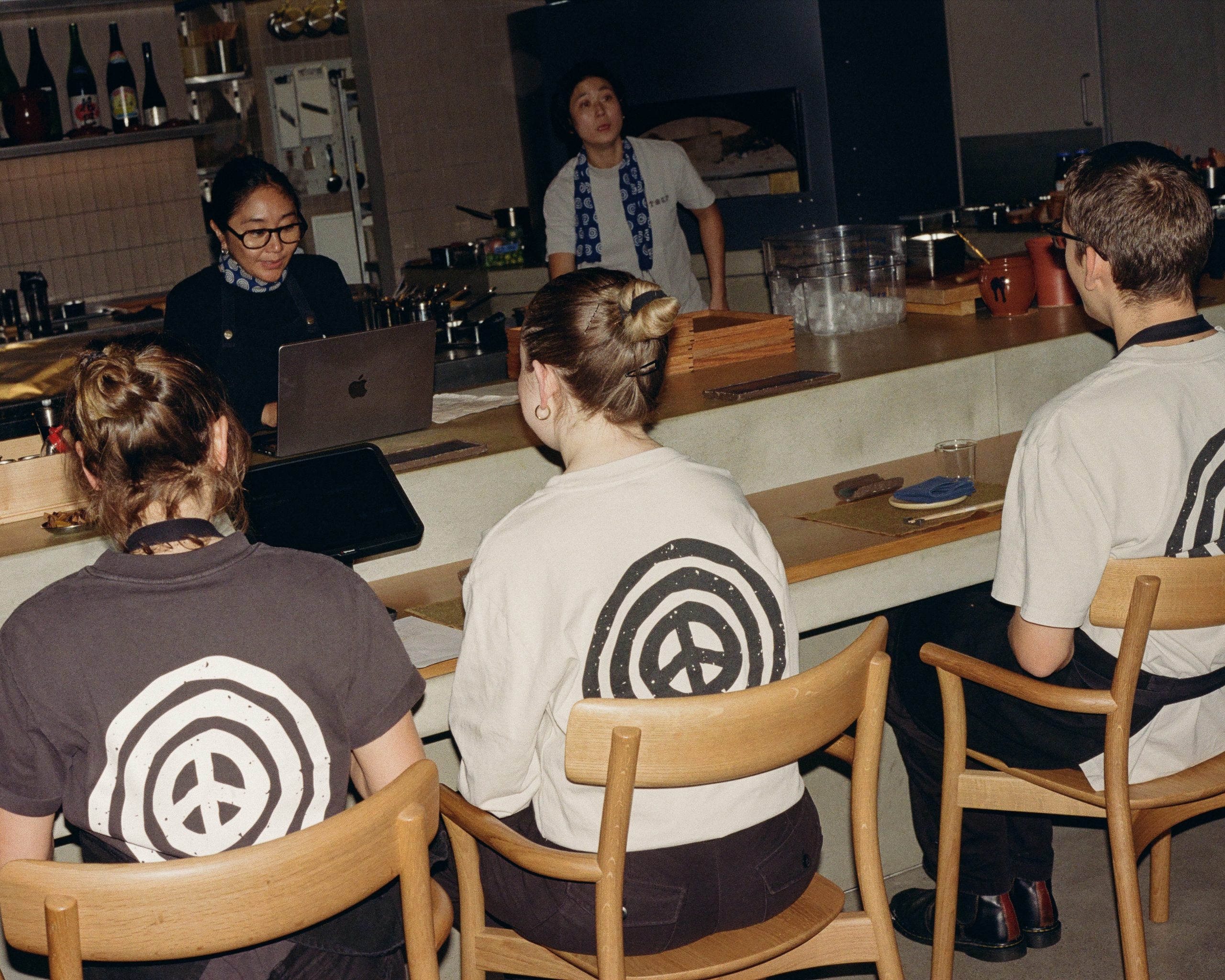
The interior of Stoke is arranged around a long kitchen counter, the setup erasing the distance between those who cook and those who eat. Everything unfolds in front of you. The grill. The hands. The quiet choreography of a team that enjoys being in the same room together. You sit down and before having a moment to register what’s happening, you’re already watching your dinner come to life over charcoal. Someone has acknowledged you. Looked at you, read the room, and poured a drink before you’ve uttered a word.

Jeff Claudio, the chef behind Stoke, is Canadian-Filipino and was raised on Cantonese food in a country he describes with equal parts warmth and homesickness. He cut his teeth at Yardbird in Hong Kong—the institution that renewed yakitori’s significance for a generation of cooks—then moved on to Burnt Ends in Singapore, cooking alongside some of the most respected fire cooks on the globe. He landed in Berlin with Jessica Tan (formerly of Copenhagen's Relæ Group) and Niklas Harmsen. Together, they built Stoke from the ground up.
Berlin gave them room.
"There is a lot of space still in Berlin to move and create, making things with not much noise and having a carefree spirit in how we go forward with things," Jeff tells me.
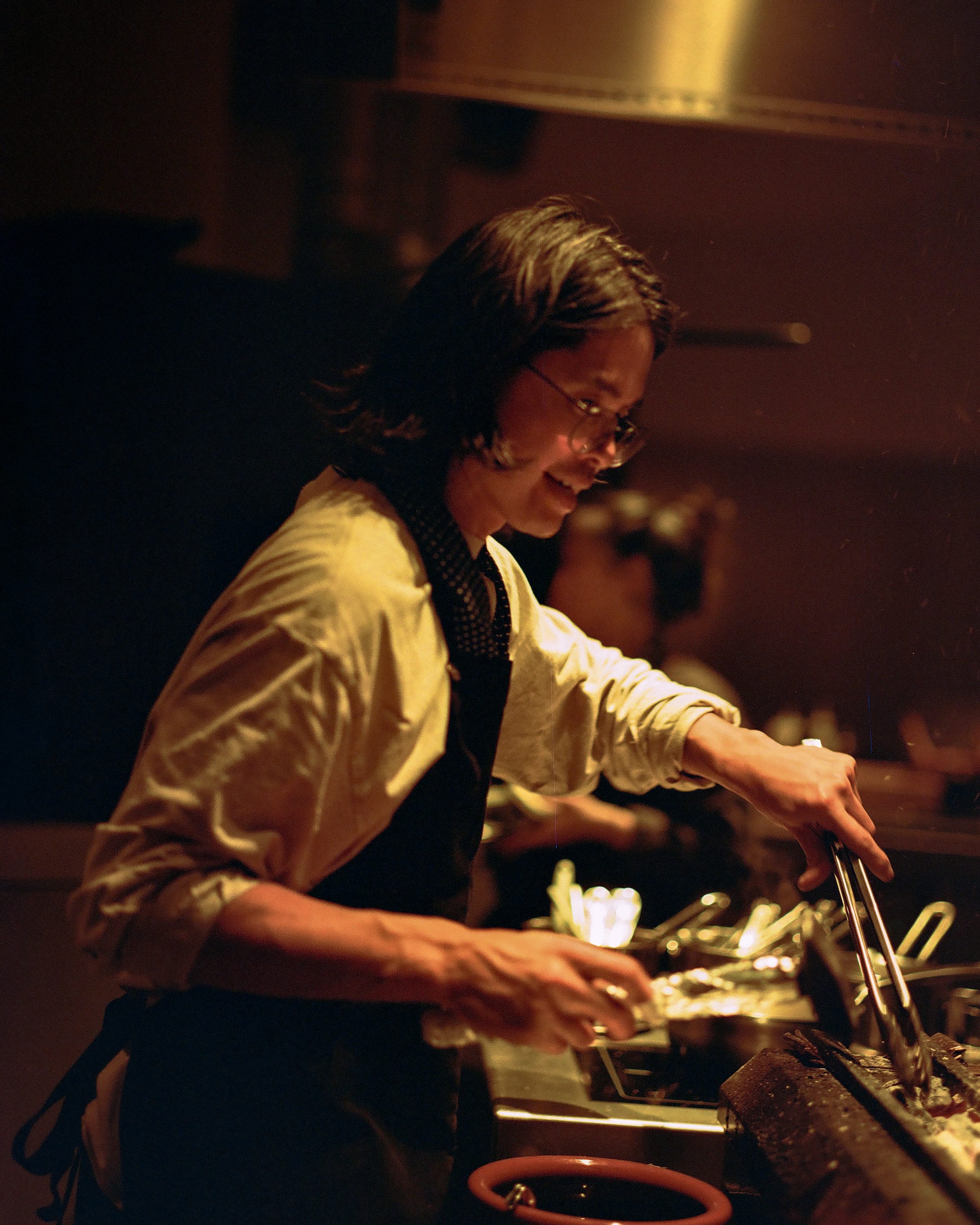
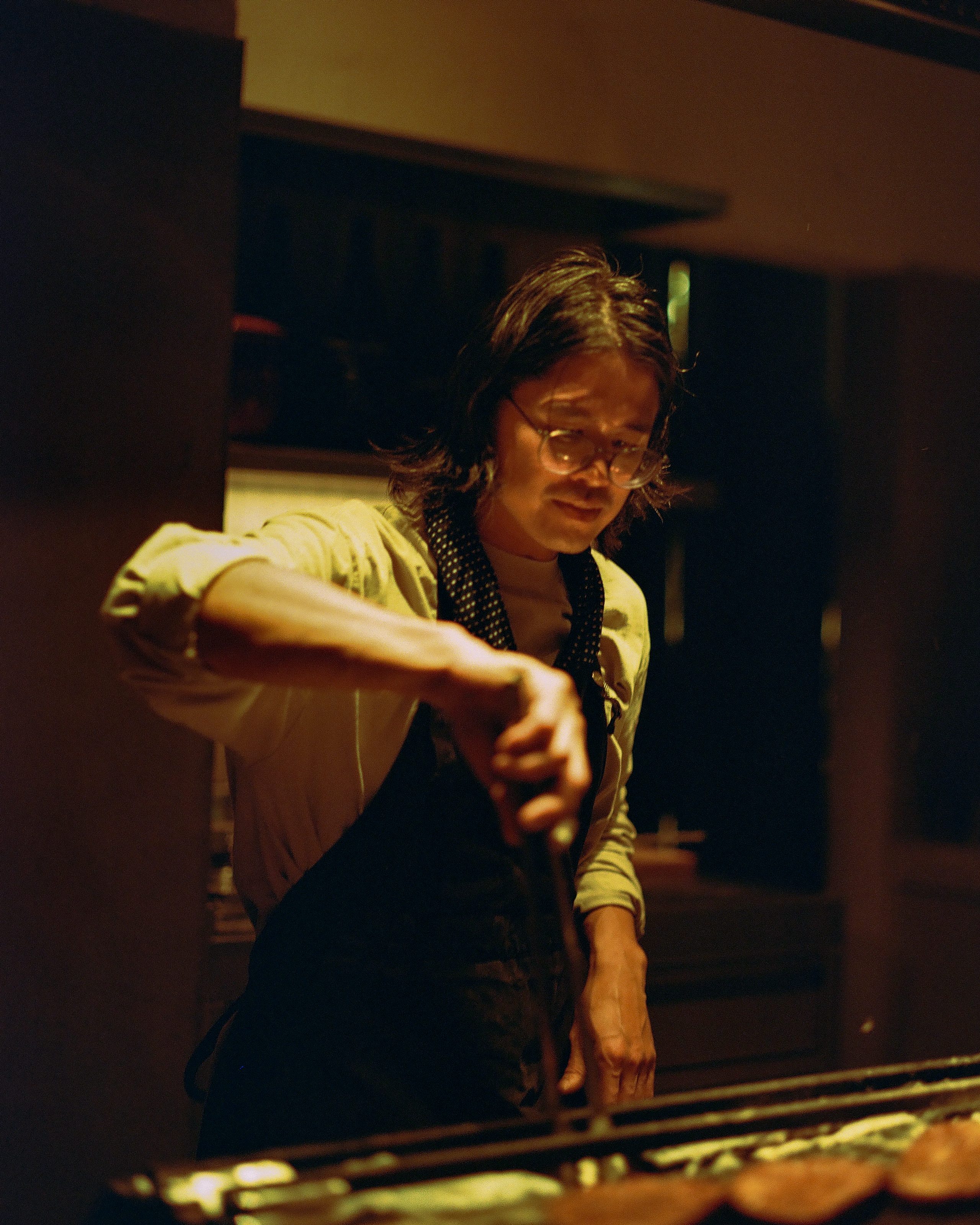
This spirit runs through the entire menu at Stoke. While Yakitori sits at its foundation—chicken on skewers, kissed and charred by live fire—the menu’s flavor map roams freely. Sichuan heat drifts into Cantonese comfort. Taiwanese and Korean impulses get filtered through Japanese technique and the seasonal European produce. Jeff labels it "A way of eating and flavor profile that blends so easily with grilled flavors and European ingredients.” The menu melds beautifully together because its guiding hand prioritizes feel over formula.
Sichuan heat drifts into Cantonese comfort. Taiwanese and Korean impulses get filtered through Japanese technique and the seasonal European produce.
When you're cooking with fire, feel is the whole game.
"There is a lot of intuition when you cook with fire and charcoal," Jeff reveals. “Some decisions you make on the spot. How you feel it in your mind and body, it's what guides you. You have to make adjustments as you go. The fire burns inconsistently, and so does the charcoal. Being confident in this takes time, and it's something you practice and refine for a lifetime."
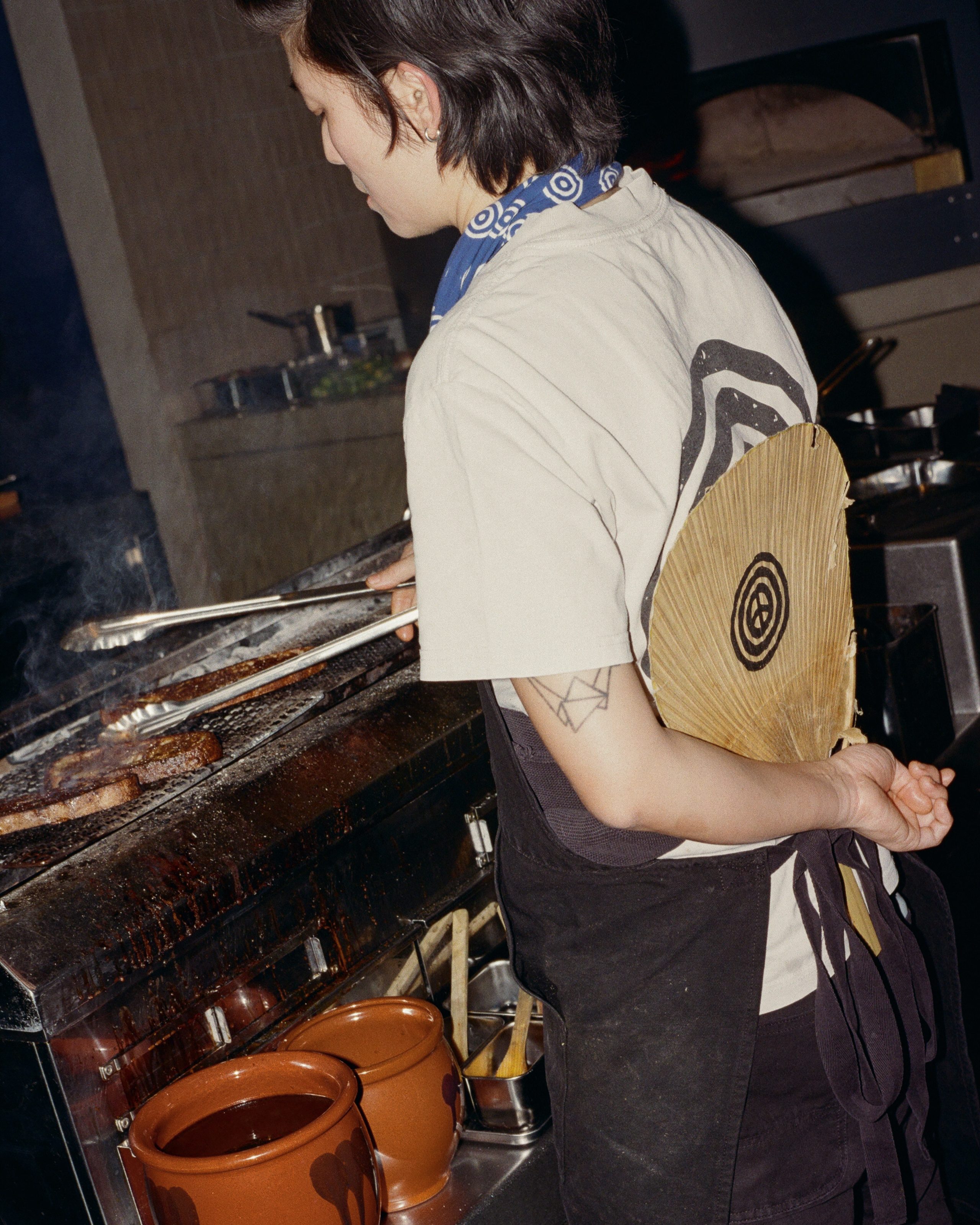
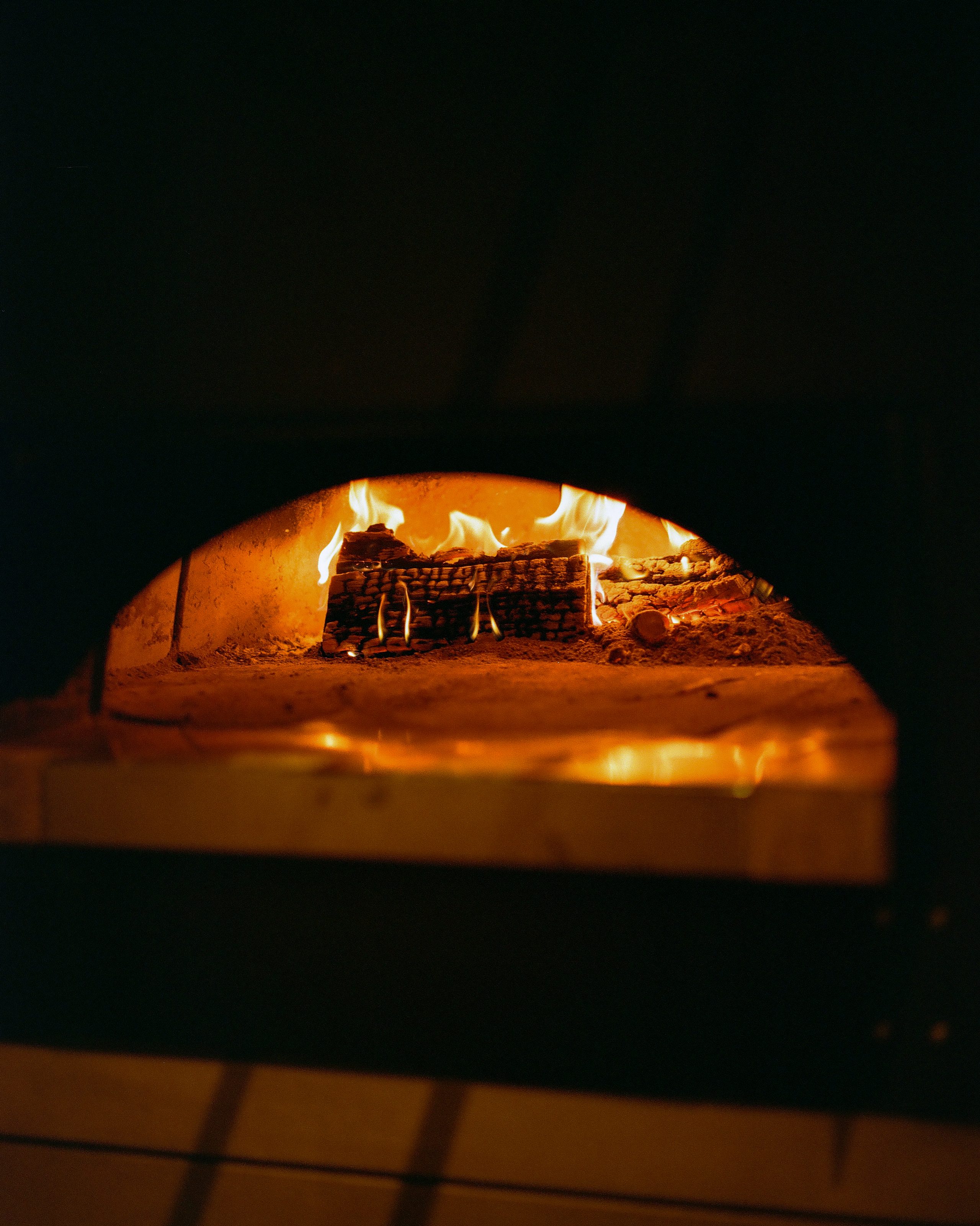
"There is a lot of intuition when you cook with fire and charcoal. Some decisions you make on the spot. How you feel it in your mind and body, it's what guides you."
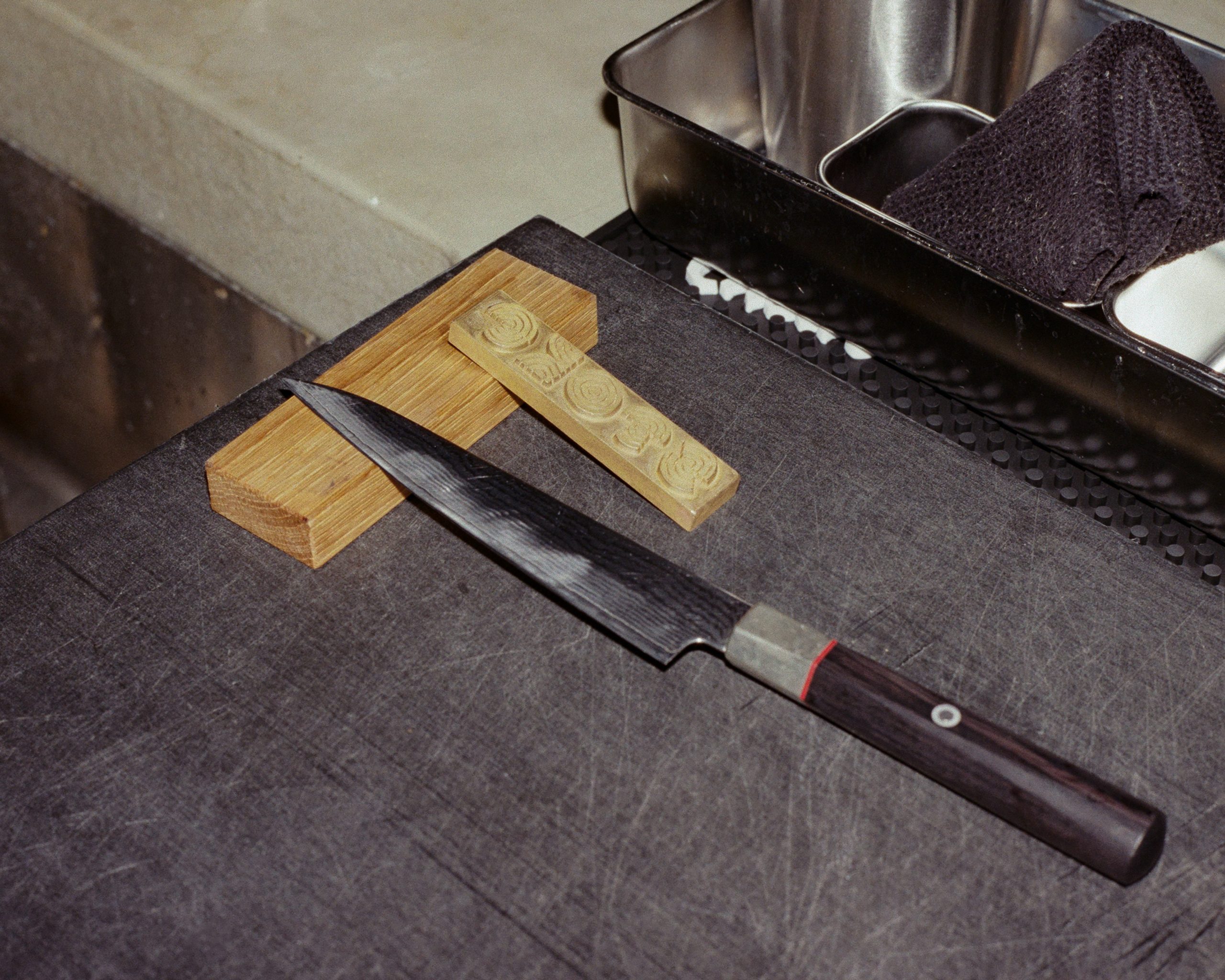
Only cooks with burn scars themselves would share such a sophisticated account. Years of reading heat through your hands, adjusting by instinct, learning that control is something you chase and adaptation is the only honest skill.
I ask Jeff to share, with as little explanation as possible, which dish best captures his temperament. He gestures at the meatball, the tsukune (egg yolk, tare), pulled directly from the Yardbird recipe. A dish from his old kitchen—served unabashedly unchanged on his new menu—is his pride and joy.
"It's simple but refined and not even my recipe. There is no ego in this—just wanting to share, please, and make people happy. We make the exact recipe of the Yardbird meatball tsukune with egg yolk and tare. It is the best one I've tasted, and it gives me fond memories of a special time in my life with special people. I keep it on the menu as a reminder, and to keep the apple close to the tree."
Stoke is built on memory, on taste, and on the stubborn belief that hospitality matters more than reinvention for its own sake.
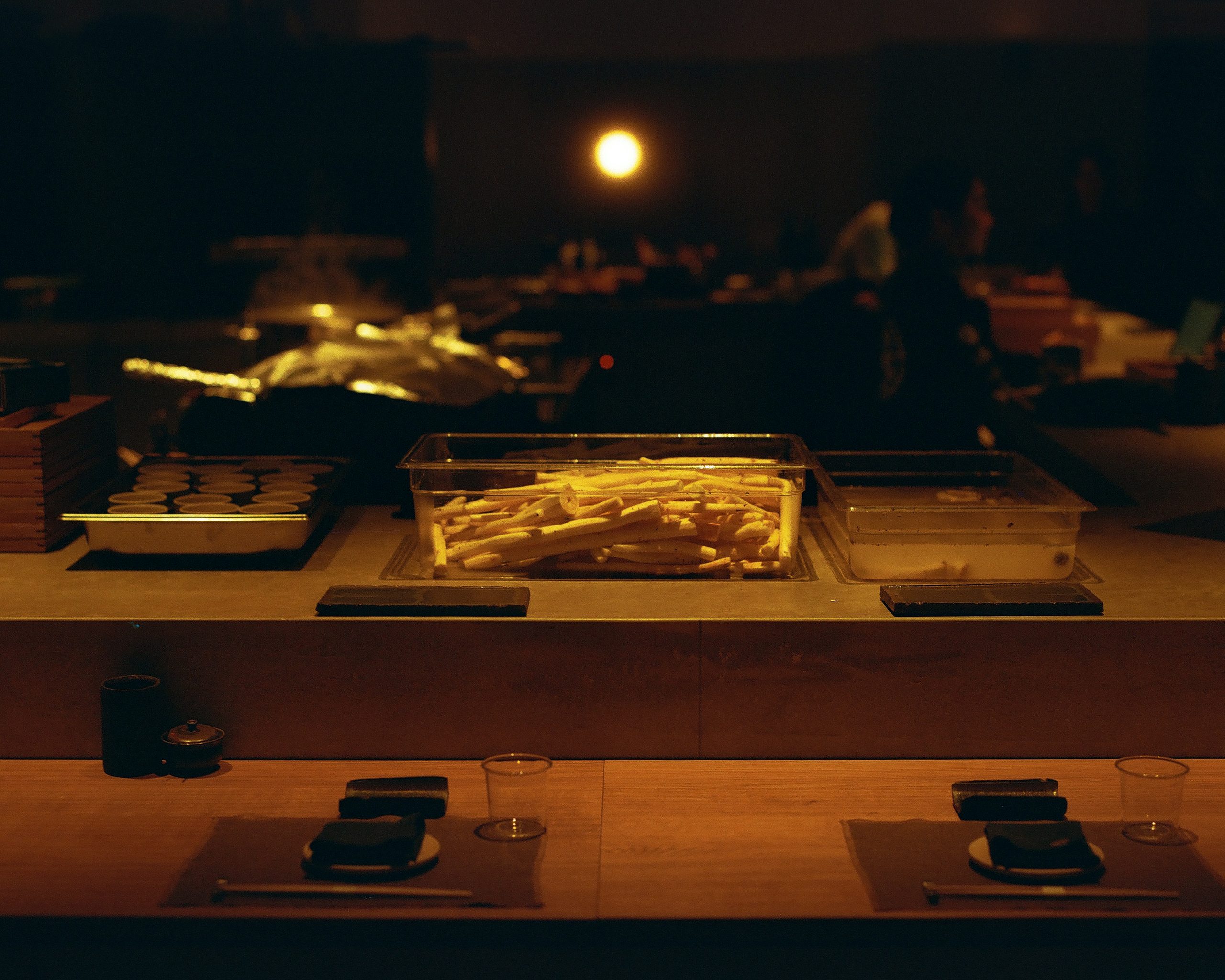
You look up and see the whole thing unfolding. Pure enjoyment of service, space, food, and hospitality.
Jeff admits that, for a city like Berlin, however, yakitori could only take him so far. The city eats broadly, becomes restless quickly, and a menu built entirely around chicken skewers—however exceptional—risked feeling too narrow for a dining culture craving surprise.
"I wanted to present chicken in a way that isn't so common in this part of the world," Jeff shares. "Being able to go beyond this and finding some signature that people are enjoying has made us really proud."
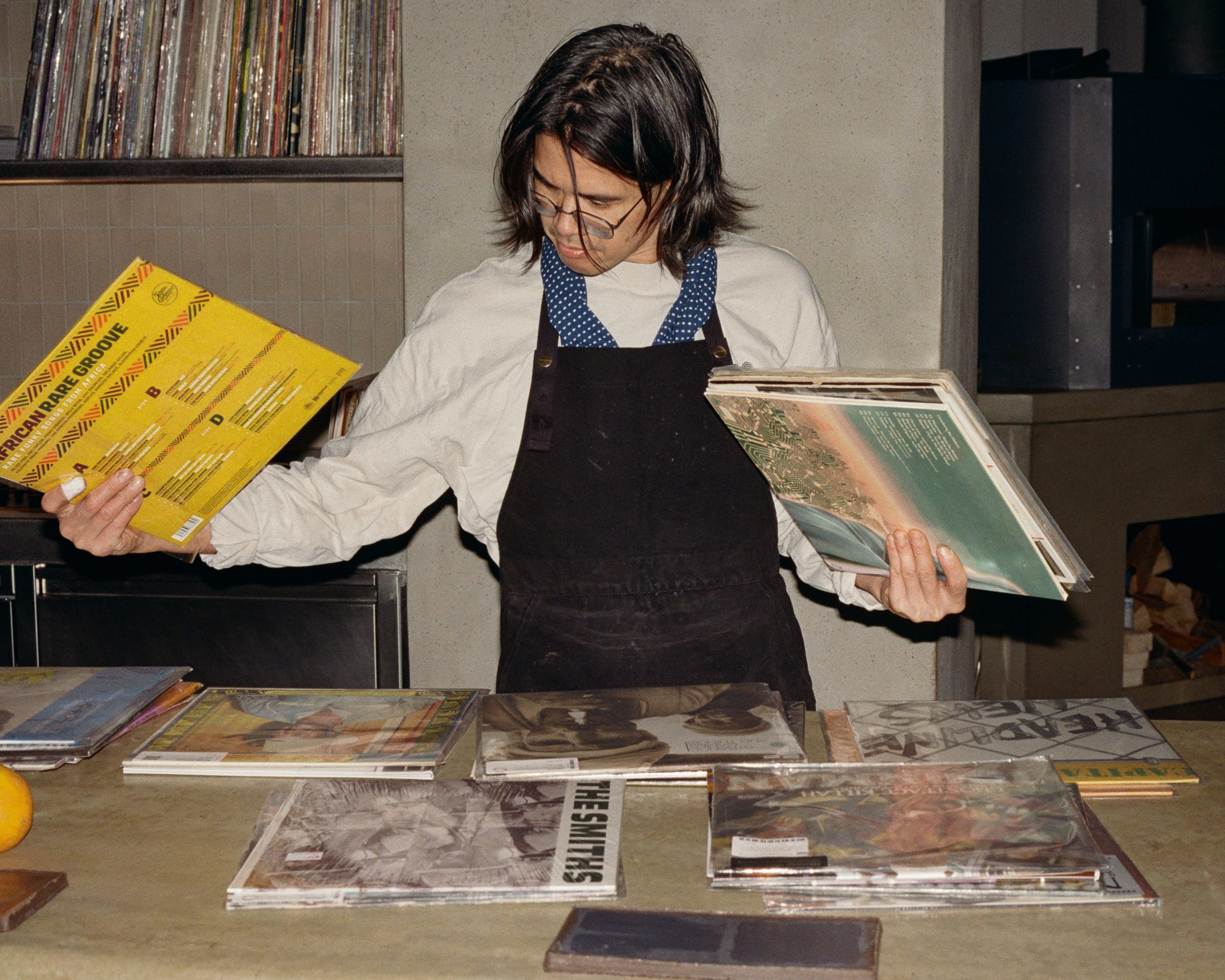
Stoke sustains a kitchen that operates on trust rather than hierarchy. Where the best idea wins regardless of who brought it to the table.
I ask Jeff what a first-time guest should understand about his philosophy. Immediately, he depicts a feeling, a scene:
"Simple, delicious things you can enjoy on a skewer that’s grilled over charcoal while you're chatting with your friend or partner that you love, while listening to your favorite songs, and getting looked after by someone who sees you. You look up and see the whole thing unfolding. Pure enjoyment of service, space, food, and hospitality."
Berlin’s Kreuzberg district has never lacked in its try-hard reputation. And yet, Stoke is a place that tries honestly. The smoke gets in your clothes. Teary-eyed, you'll carry it home.
Stoke — Lindenstraße 34–35 (Entrance via Feilnerstraße), Kreuzberg, Berlin. Walk toward the smoke signals.
LATEST STORIES
Our collection of digital stories highlighting the food & beverage community, beyond the coverage of our printed issues.