JUNE 2026
Yaya's Bite: The Grit of Fusion Dining in Shanghai
WORDS BY CHERIE YIN
PHOTOGRAPHY BY SOPHIE CHEN
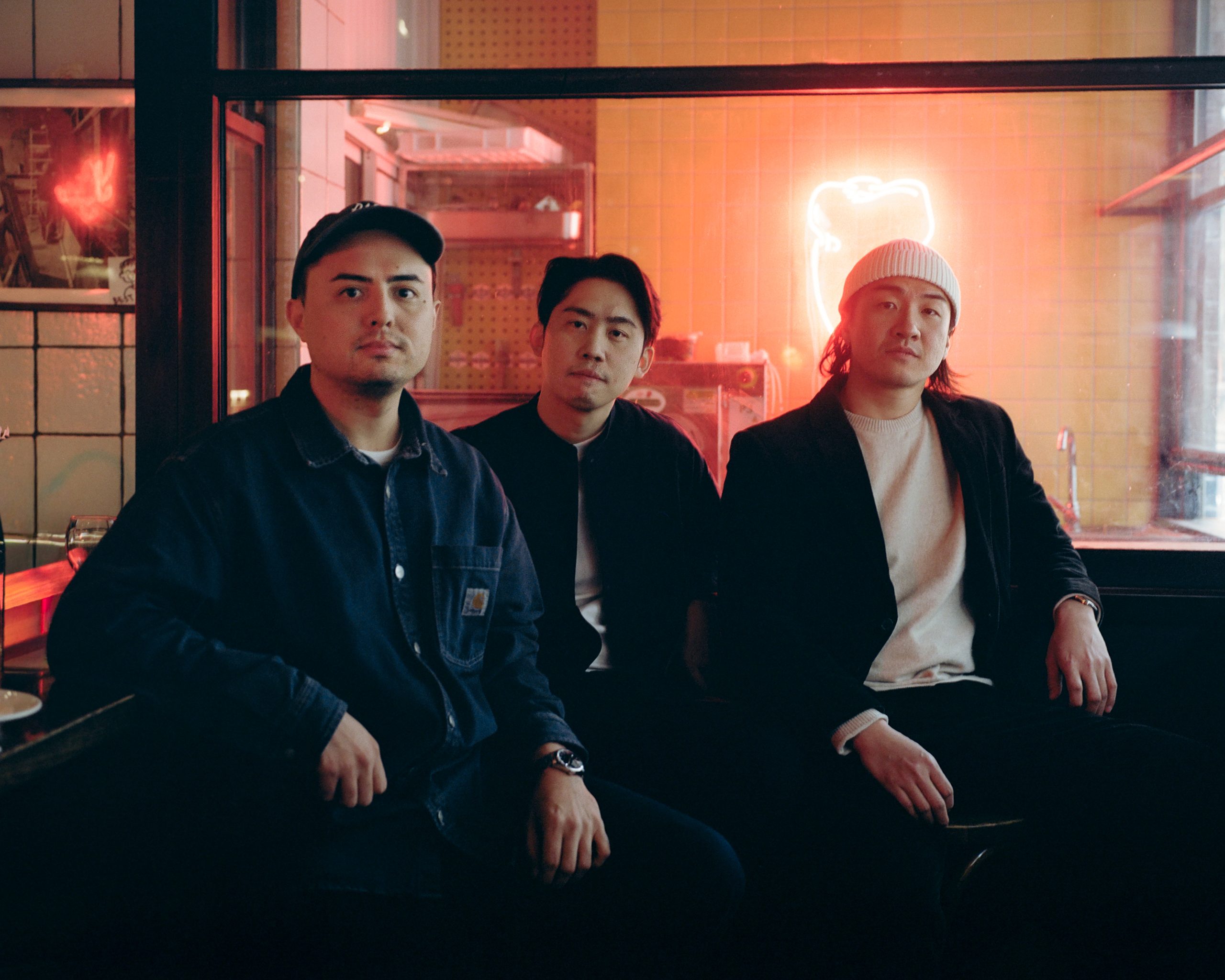
The snow sifted down quietly. It swirled against street corners and edges of pavement. I scurried to an entryway tucked between a local produce market and a vertigo-inducing glass office building. “Stay al dente” the red neon sign glistened against the white flakes, guiding me to the door I’ve passed through countless times before. I stepped through, entering a new world. A rush of warm air, an open kitchen, an “L” shaped counter, bar stools near the window, a dozen small wooden tables, rows of glassware and wine bottles lining the shelf, and black and white photos of jovial faces all decorated the wall. Two red neon signs anchored the space, one taking the shape of a tooth while the other spelled out the name of the restaurant, “Yaya’s.”
A crimson sheen adorned everything inside, even the crew in the kitchen. It was the afternoon, between lunch and the first round of evening service. Now, without the usual hubbubs of chatter, laughter, and jazzy music, the rhythmic thud of chopping knives and clattering pans hummed freely in the space. It was an orchestra, each instrument section tuning their A’s to concert pitch before exhaling their first note in unison on stage.
An unexpected harmony.
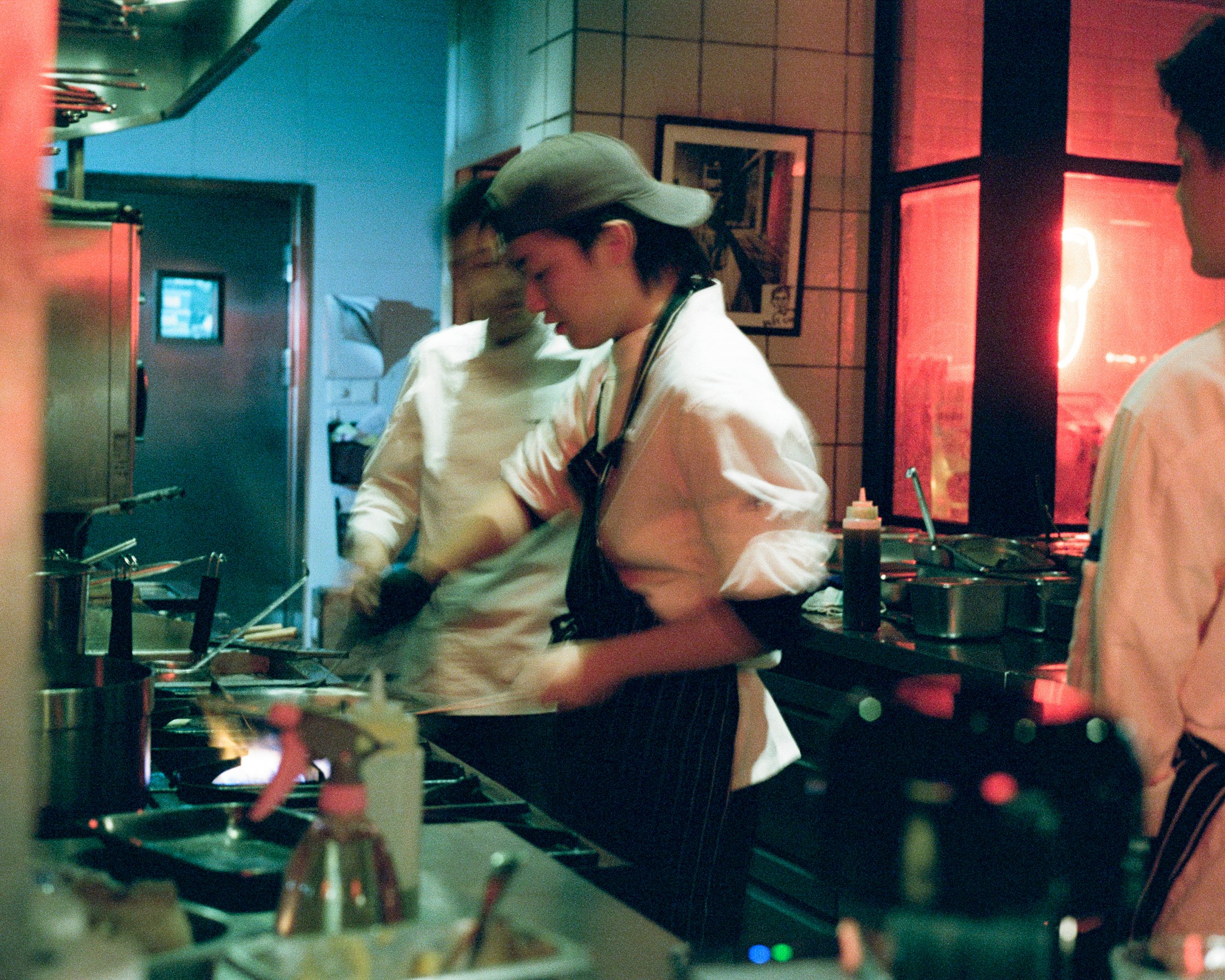
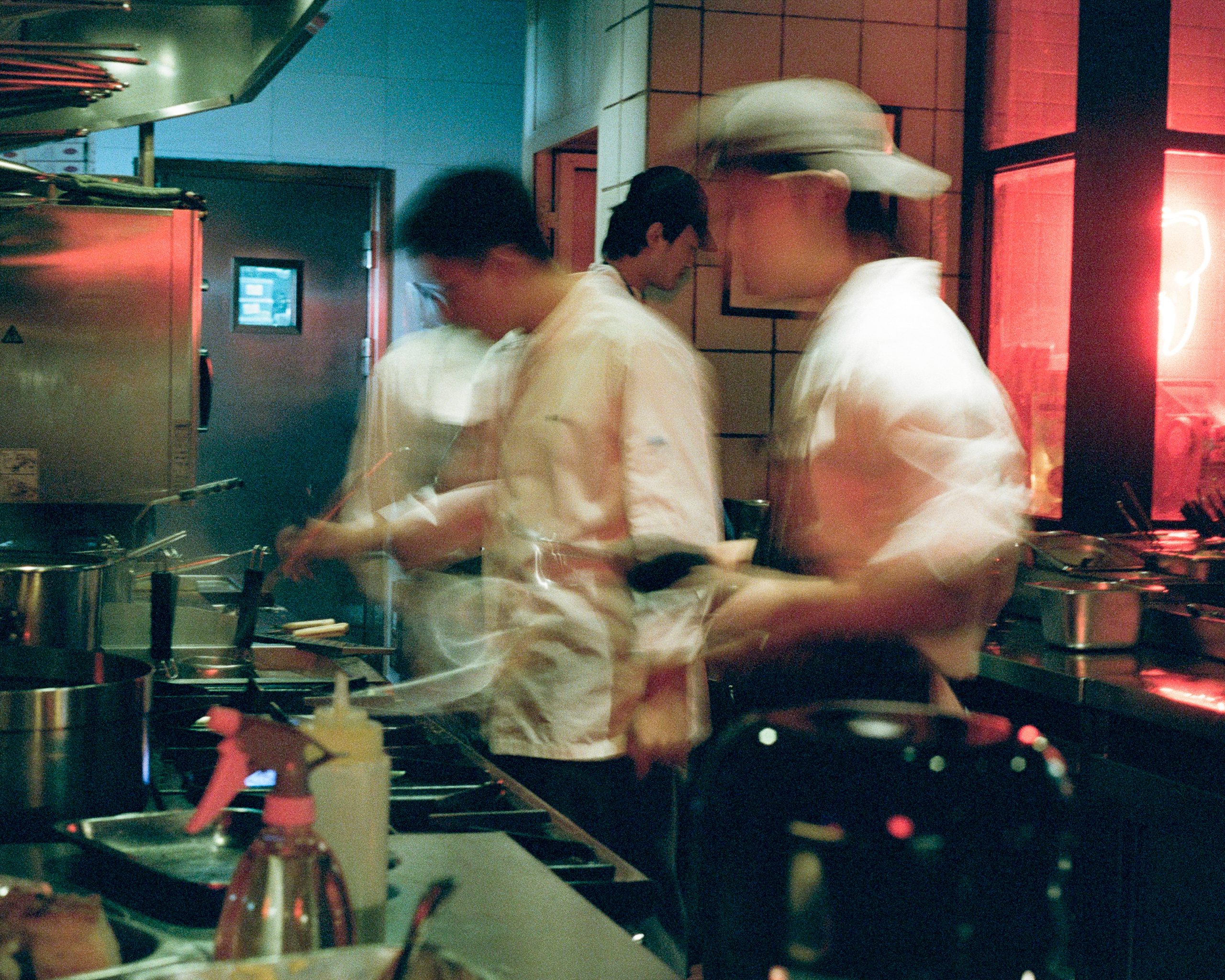
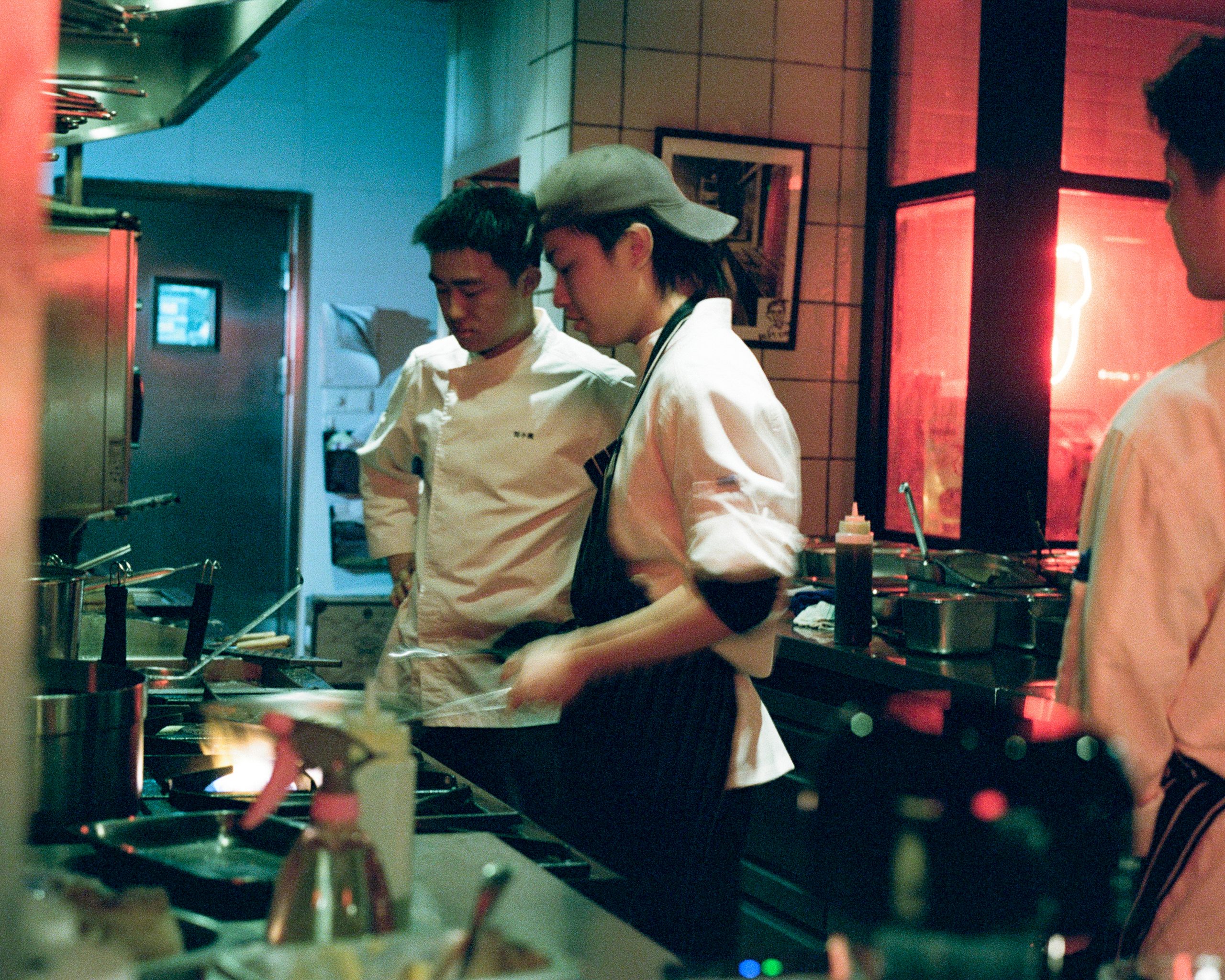
Today, Shanghai is home to many happy “marriages” between Chinese regional cuisines (Taizhou, Xibei, Yunnan, etc.) and Western styled bistros. Yet just five years ago, such “arranged interracial marriages” faced ridicule and rejection. As Yaya’s celebrates its fourth birthday this spring, it’s hard to imagine this neighborhood beacon was once an alarmingly novel concept. This restaurant has its tricks for bringing people’s guards down and loosening them up. Even without the pasta and wine, it charms and comforts like a close friend’s dining room, and time passes without anyone noticing.
My drifting thoughts were pulled back by the arrival of the "Yaya’s Boys,” as people affectionately called them, Andrew, Mike, and Dan—my friends, and friends to many in Shanghai.
Dan filled our glasses with a white wine, ribbing his first choice of a Riesling would be too sour for Mike’s “baby palette.” Meanwhile, Mike himself was squinting at the interview questions on his phone. Andrew turned to me, asking if this roundtable would unearth all their secrets like a TMZ tell-all. The banter transported me to my childhood home where my uncles nestled around a Mahjong table during Chinese New Year, talking to, and over, each other at the same time. Naturally, I asked the restaurant trio what it's like working with best friends every day.
“Who says we are best friends now.”
To the observing eye, the Aussie, the New Yorker and the Xinjiang boy seem like brothers. The fact that they would scoff at the label of best friends only attested to their bond. The trio met in 2019 at another restaurant, Bird (now closed, Camden Hauge’s Bird helped give rise to a string of Shanghai’s influential restaurants such as Bastard and Yaya’s). At the time, Mike was responsible for opening Bird as a client representative, Andrew worked as the general manager, and Dan was edging his way into the kitchen.
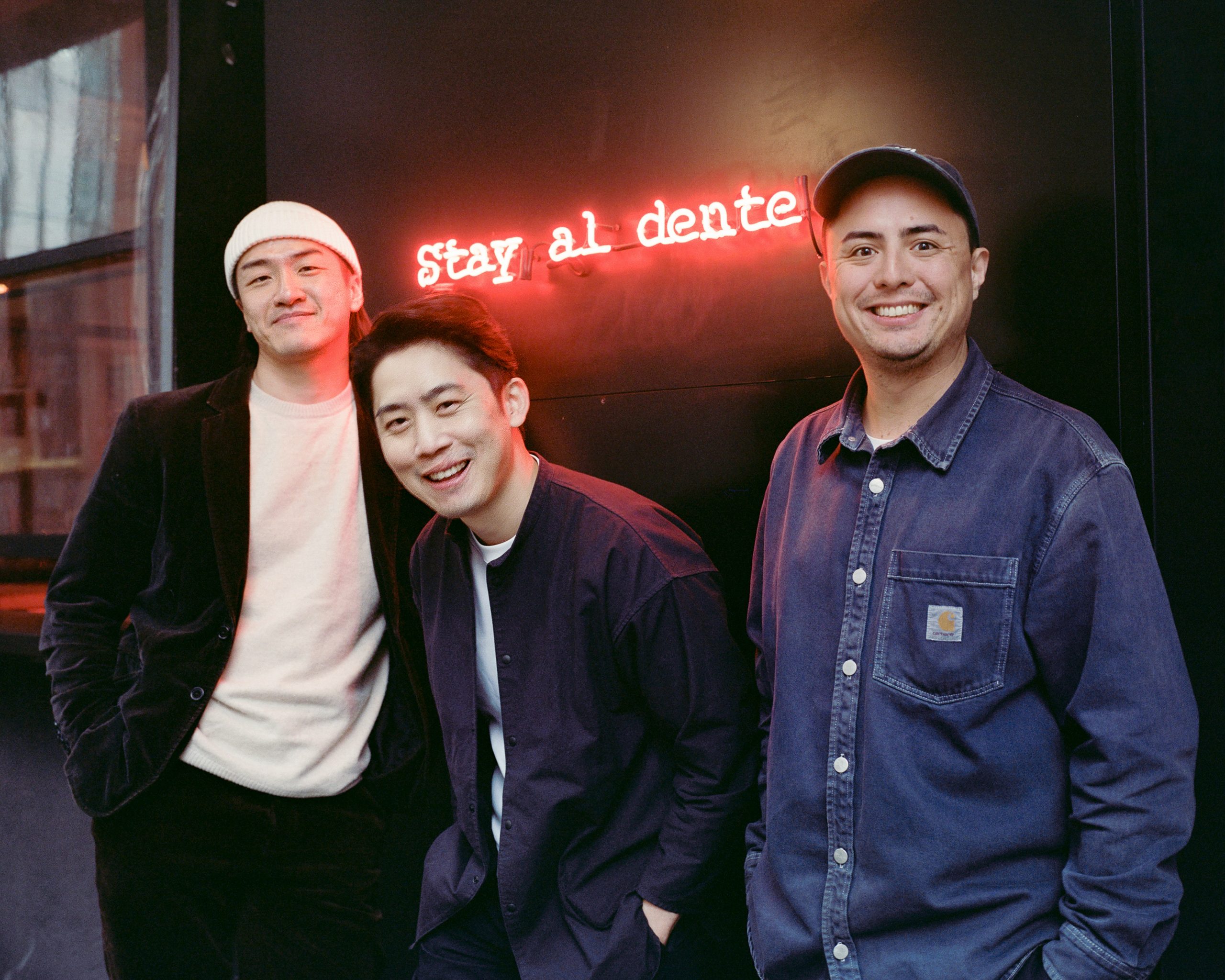
Their true friendship solidified a few years later. On an October national holiday in 2021, they embarked on an eighty kilometer cycling trip to Dishui Lake and along its nearby shore (the furthest Southeastern point on Shanghai’s municipal map). All three of them recounted that day with a wry smile. They marveled at their lack of proper gear or even proper bikes, admitting that “it was the first time [they] got to know each other more deeply outside of drinking.” Their impromptu leg day concluded with a moving truck hauling the three guys and their bikes back to the city. It remains a mystery whether, huddled in that trailer, they talked about Yaya’s, or envisioned the level of popularity they would one day receive. They were like seeds waiting to break out of their box.
When asked about how Yaya’s came about, Mike jokingly confessed all his answers would be “unsexy.” Unlike many charming neighborhood Italian restaurants around the world that began as time capsules preserving family kitchen memories, Yaya’s—from the name, to the location, to the menu blending Chinese and Italian flavors—traces back to pure strategic planning. Cognizant of the fickle appetite of Shanghai diners, and subsequently their undeniable authority to shutter a restaurant, Yaya’s Boys had to establish their Chinese Italian identity with measured deftness.
Cognizant of the fickle appetite of Shanghai diners, and subsequently their undeniable authority to shutter a restaurant, Yaya’s Boys had to establish their Chinese Italian identity with measured deftness.
“We definitely got pushback on the grounds of authenticity in the beginning.”
Chinese people are fiercely protective of their own food culture and subcultures; ruining people’s comfort food borders on disparaging ancestral heritage. So unsurprisingly, Yaya’s menu—imbued with audacious flavor experiments such as a Guizhou sour anchovy toast or a Mapo Lasagna—jolted a reaction. The Boys were candid about Yaya’s initial reception. “A lot of people wanted to check out this place when it first opened because there was nothing like it in the market. They would leave a bad review if you didn't meet their expectations, and because they didn't know what to expect coming here, we received a lot of hate.”
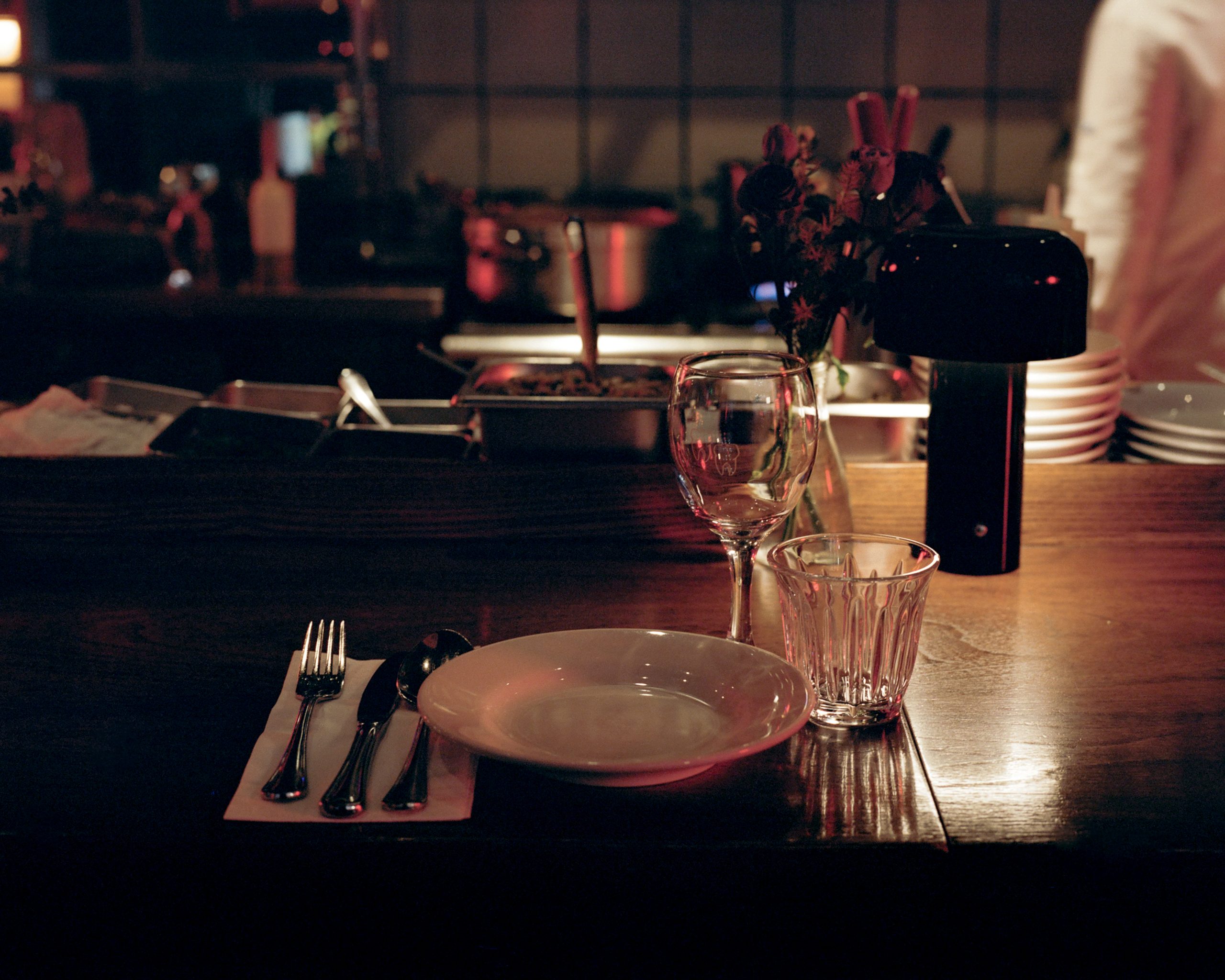
Chinese people are fiercely protective of their own food culture and subcultures; ruining people’s comfort food borders on disparaging ancestral heritage.
But the eclectic menu had more authenticity than people gave them credit for. The menu’s architect, Chef Dan, emphasized how Xinjiang flavors and produce (garlic and tomato especially), along with the locals’ affinity for firmer noodles, are in fact quite aligned with traditional Italian flavor profiles. Dan had quit his architecture job to become a chef because he envied the tactile truthfulness of a kitchen. His menu, an amalgam of flavors from everywhere, is a precise homage to his upbringing and hometown of Xinjiang. The predominantly Uyghur region, with long-standing Turkish kinship and influences, has seen surges of migrants from Hubei and Gansu provinces in recent decades. It's become fertile ground for diverse culinary customs. And, thanks to his Chongqing native grandmother, Dan also grew up eating several Sichuan style dishes at home. He was destined to become a polyglot fluent in regional flavors.
“We just handled it with thick skin.”
Unfazed by the lukewarm reviews, the Boys carried on with the menu, only fine tuning the dishes. They found if each component of a novel dish is familiar enough to people, then trepidation would give way to curiosity. Slowly, as they methodically laid out each of the ingredients (the Mapo Lasagna comes with Mapo pork ragù, a tofu béchamel, mozzarella and some house-made Mapo dust), Yaya’s Chinese spin on Italian food landed with curious diners. In the meantime, the restaurant sparked a tidal wave of casual fusion concepts around the city. On Rednote (a popular Chinese social media platform) there are now more than 290,000 related entries about Shanghai fusion restaurants.
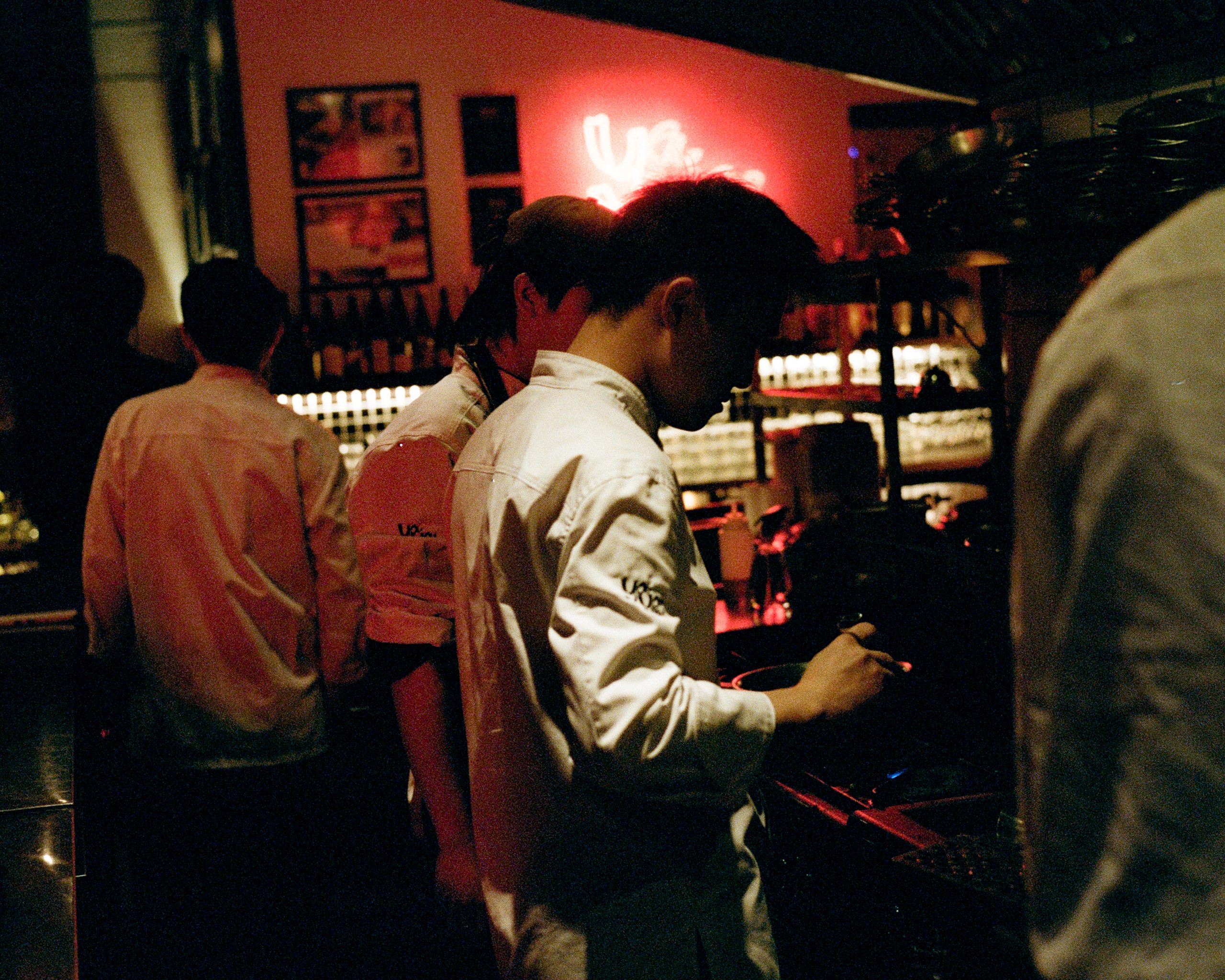
The Mapo Lasagna comes with Mapo pork ragu, a tofu bechamel, mozzarella and some house made Mapo dust.
Yaya’s is no stranger to predicaments. Just two weeks after it opened its doors in March 2022, their operations were abruptly halted for two months as Shanghai experienced the most stringent city-wide lockdown seen in the country. When asked about Yaya’s nature as a Covid baby, Andrew revealed how the straining figures on their corporate bank account haunted them during those weeks in lockdown; a premature closure likely loomed large in all their minds. Looking back now, they chose to define that period with one steadfast belief:
“Failure simply was not an option.”
The resounding certainty in their vision reminded me of the restaurant’s name and tooth logo. The catchy name of “Yaya” comes from teeth (yá) in Chinese. It's a cheeky riff on the literal translation of “al dente.” The Boys sounded like an ambitious Asian mother nurturing her infant, believing the child would do wonders in the world in due course. Tender yet tough, gritting her teeth.

The Boys sounded like an ambitious Asian mother nurturing her infant, believing the child would do wonders in the world in due course. Tender yet tough, gritting her teeth.
Indeed, the “baby” did well. The team disclosed they “broke through a financial ceiling that some felt was unachievable in March 2024” while many of their industry counterparts were eking out a living in a largely tepid economy. In four years, they cultivated a following that extended well beyond the city, collaborating with luxury hotels such as Upper House Hong Kong and Mandarin Oriental Beijing, and hosting chef popups around the world. And now, three and a half years after Yaya’s, its “fun uncle” restaurant, Nono’s, opened its brick and mortar location. With its chandelier, candelabrum, and white tablecloths, Yaya’s preppier relative represents a major step toward fulfilling the Boys’ dream of building Shanghai’s equivalent of Misi or Padella—restaurants seen as modern classics woven into the culinary fabric of their respective cities.
The bottle of white wine was finished long before the interview ended. The orchestra in the kitchen continued with their tuning and preparations before their evening performance.
As I stepped back out into the snow, the neon sign pulsed. In a city constantly chasing the next new addition, the Boys built a brand that withstood the test of time. The Boys remain unabashedly original. Just like their pasta, they’re tough under pressure. They retain their bite. They’ve stayed al dente.
LATEST STORIES
Our collection of digital stories highlighting the food & beverage community, beyond the coverage of our printed issues.