AUGUST 2026
Francisco Castillo Carries the Rhythm at Cafe Bar J.F.
WORDS BY LORENZO BONGIOVANNI
PHOTOGRAPHY BY AUSTIN AUBRY
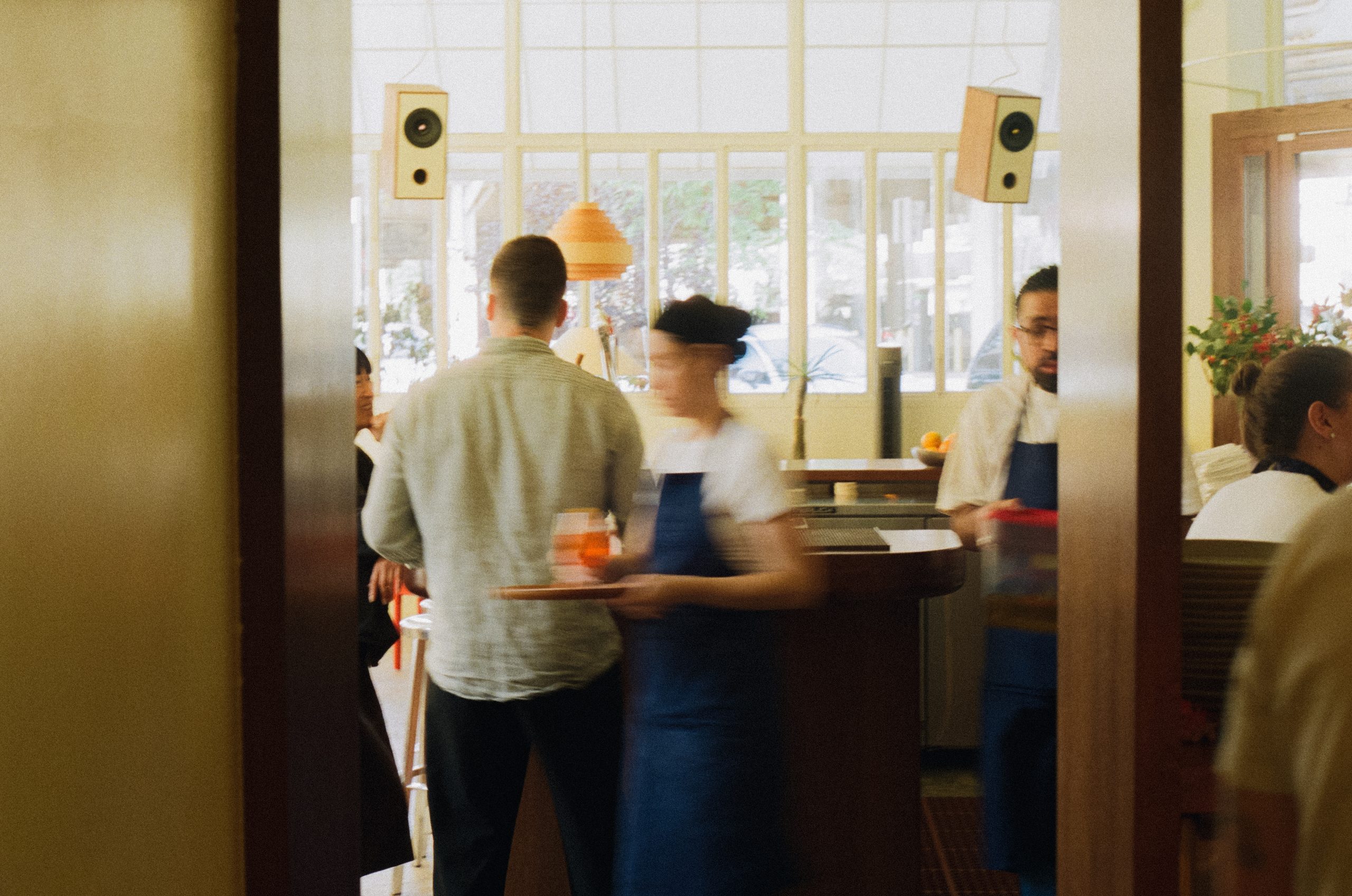
The wood-veneer speakers hanging from the ceiling at Cafe Bar J.F. twist and sway ever so slightly as the steady groove of an R.E.M. b-side plays over them. I might not have noticed such a subtle detail if it weren't for the striking abstract mural drawing my attention upward in the double-height room.
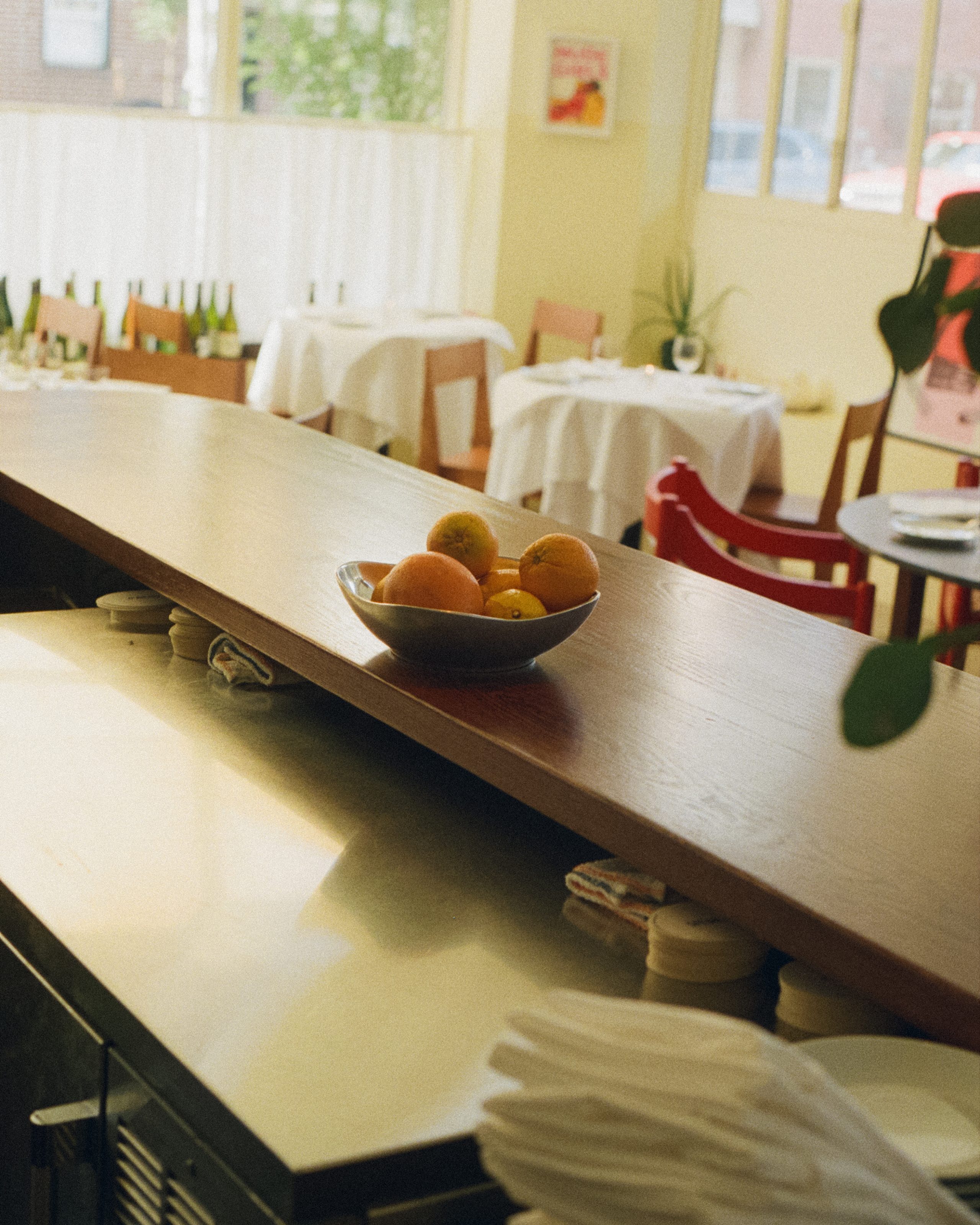
Cafe Bar J.F. is a restaurant that looks good from every angle. Layers of warm wood are set against polished chrome, with ruby red chairs adding pops of color. The space has an airiness you'd expect from a breezy taverna in Rio de Janeiro — not a restaurant nestled next to the Brooklyn-Queens Expressway.
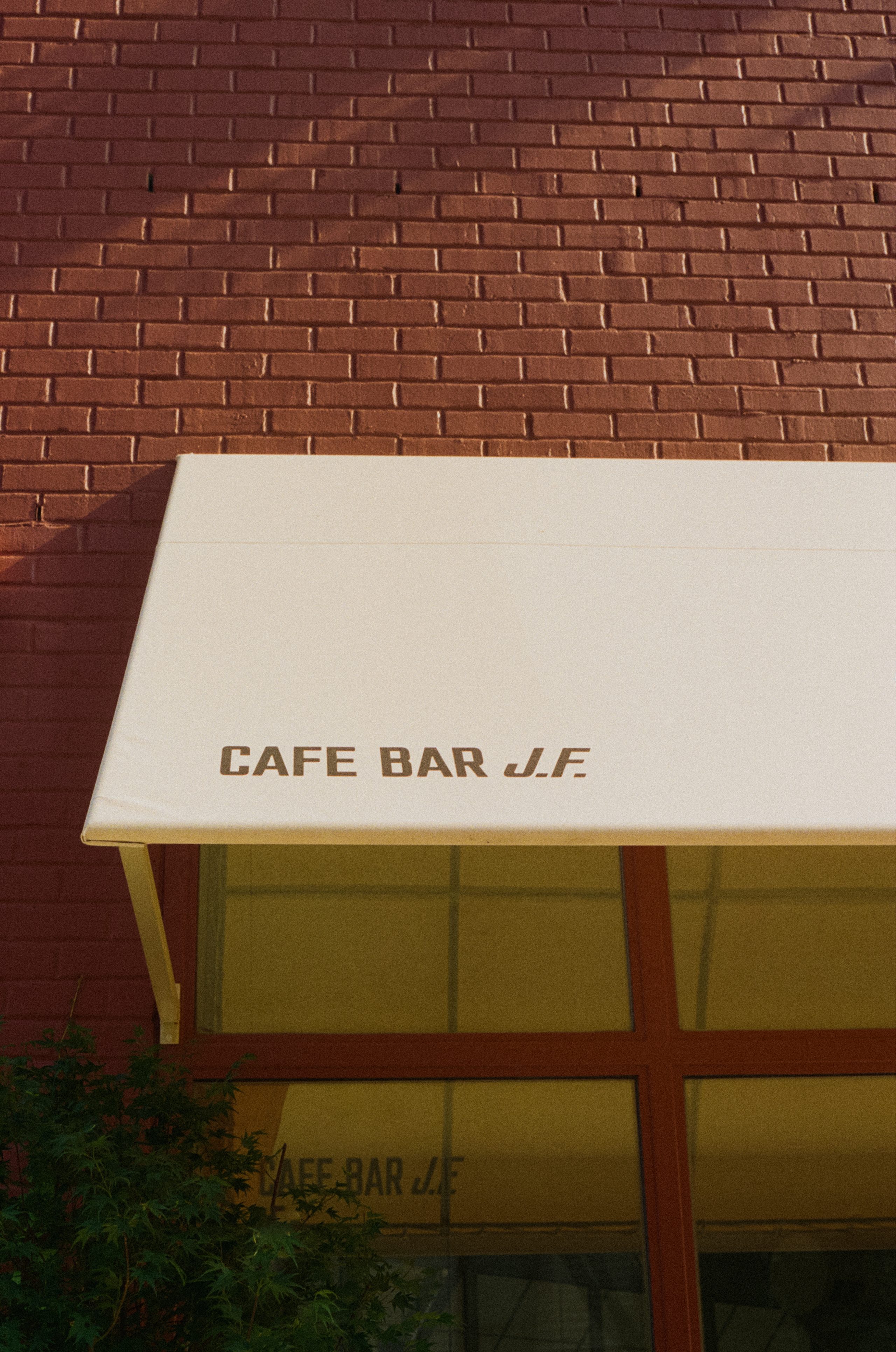
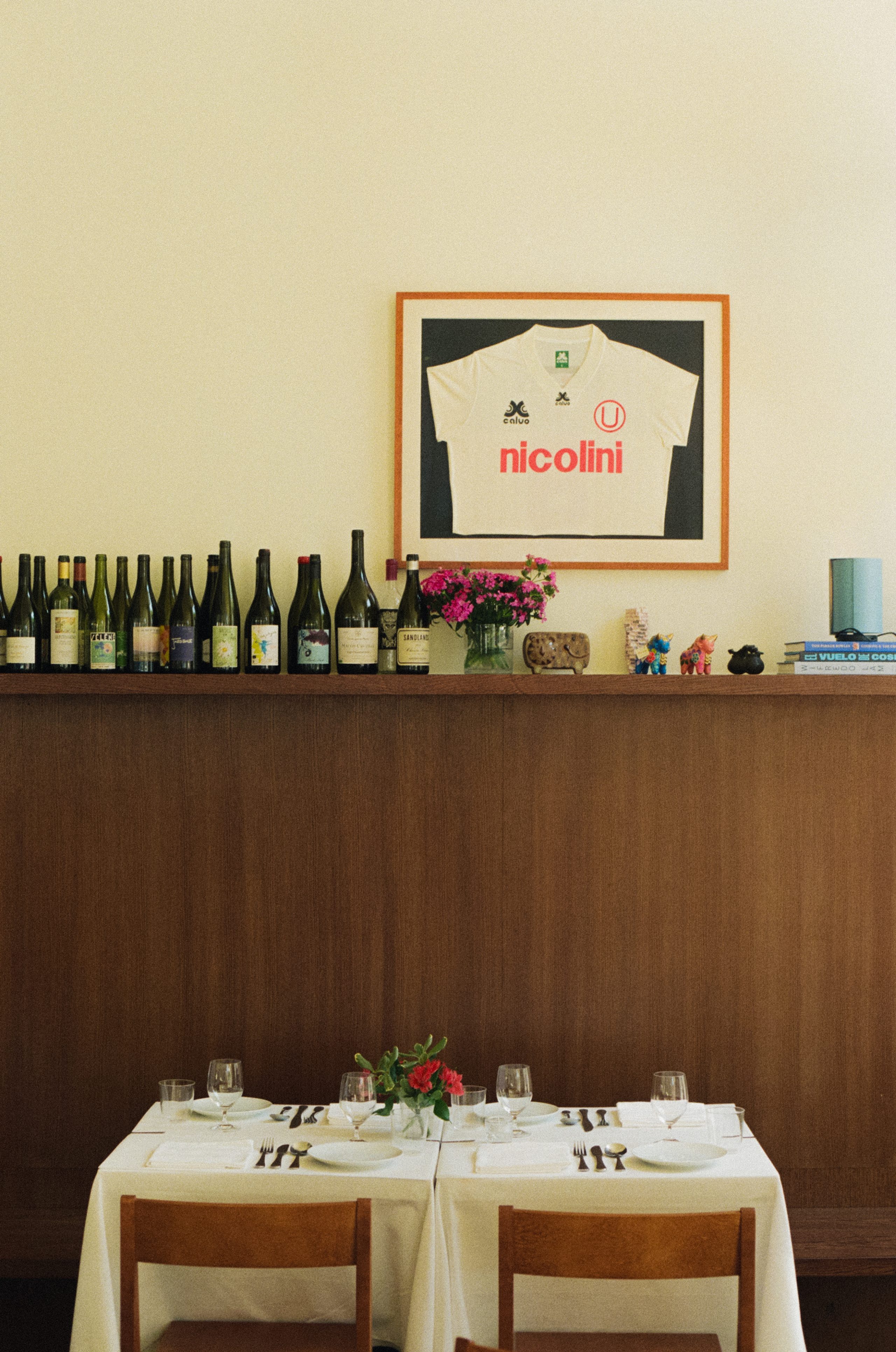
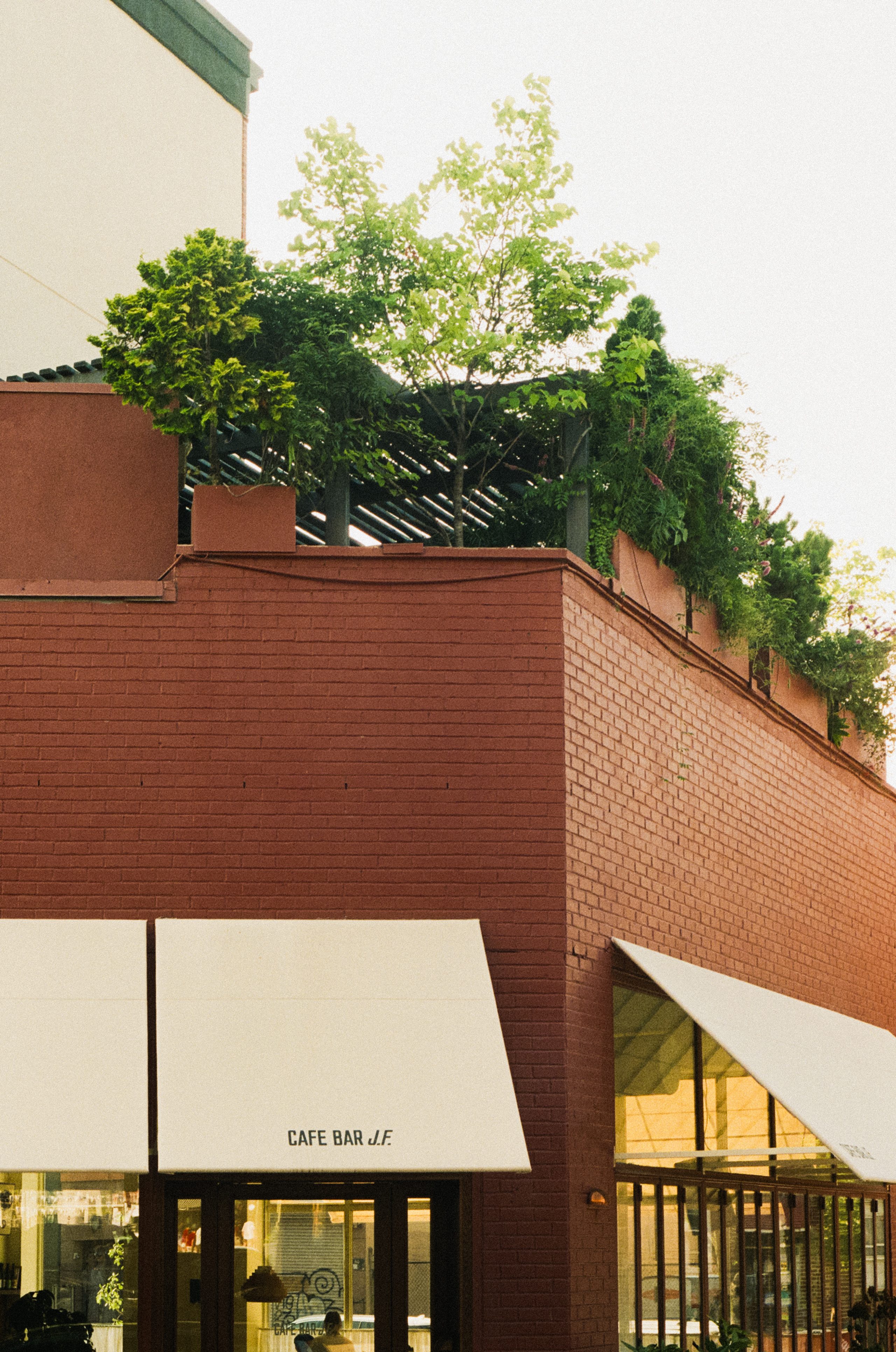
The space has an airiness you'd expect from a breezy taverna in Rio de Janeiro — not a restaurant nestled next to the Brooklyn-Queens Expressway.
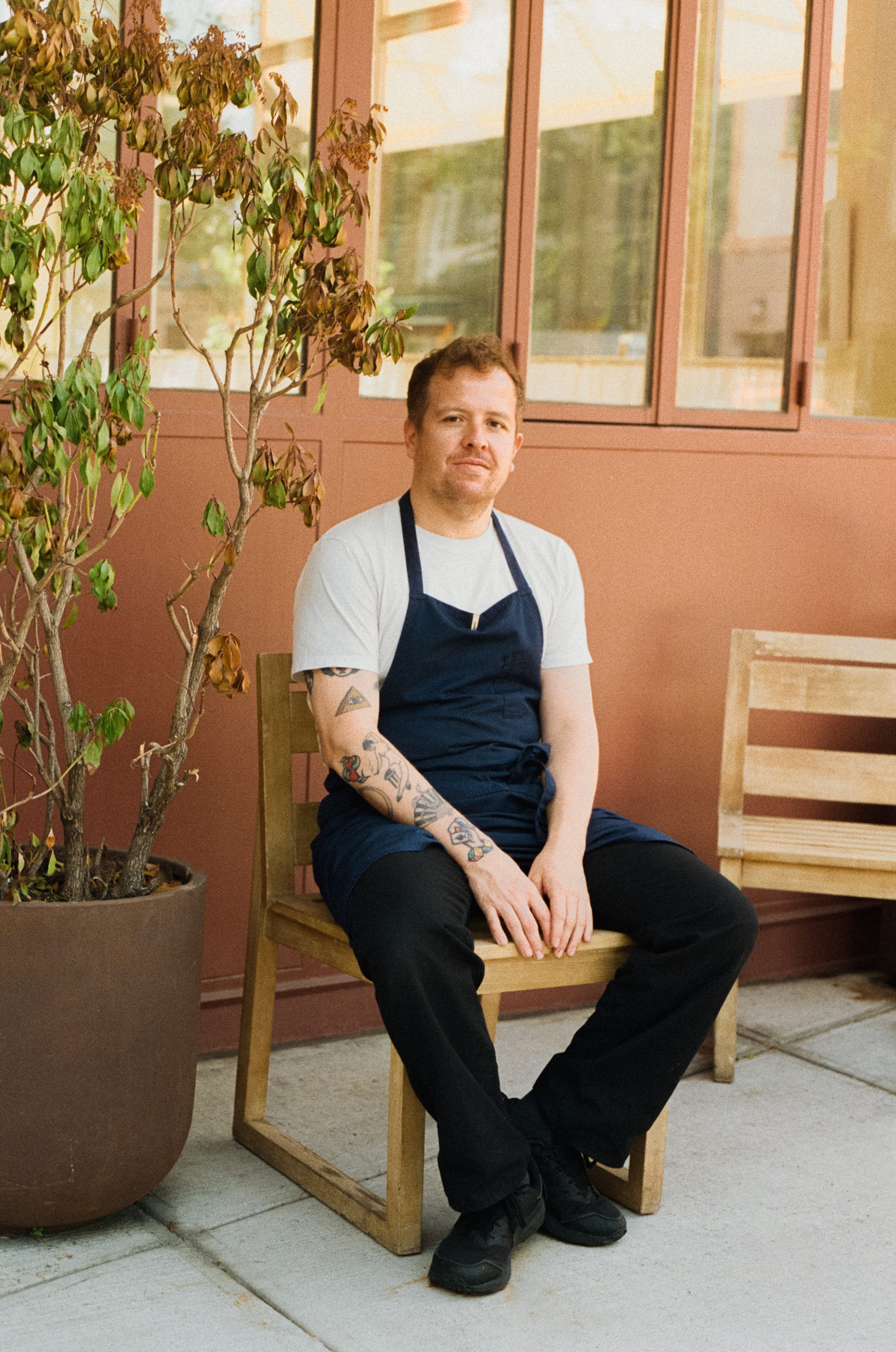
Tonight, I'm seated at the end of the horseshoe bar. Over my right shoulder, I see a familiar face on the pass. Francisco Castillo, Cafe Bar J.F.’s executive chef and part-owner, glances my way and smiles, but quickly snaps back to his tickets, calling out to fire an "Arroz Meloso."
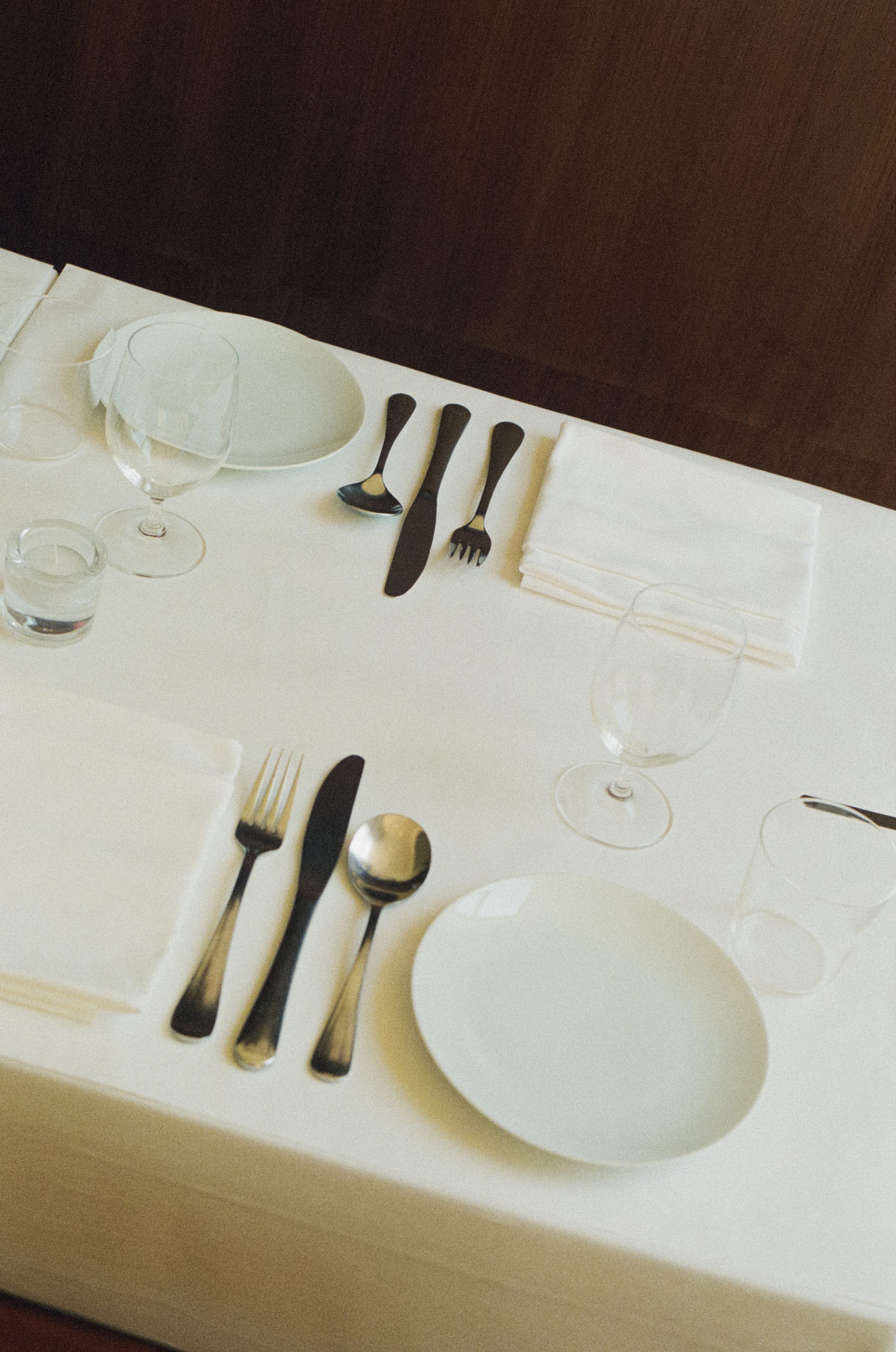
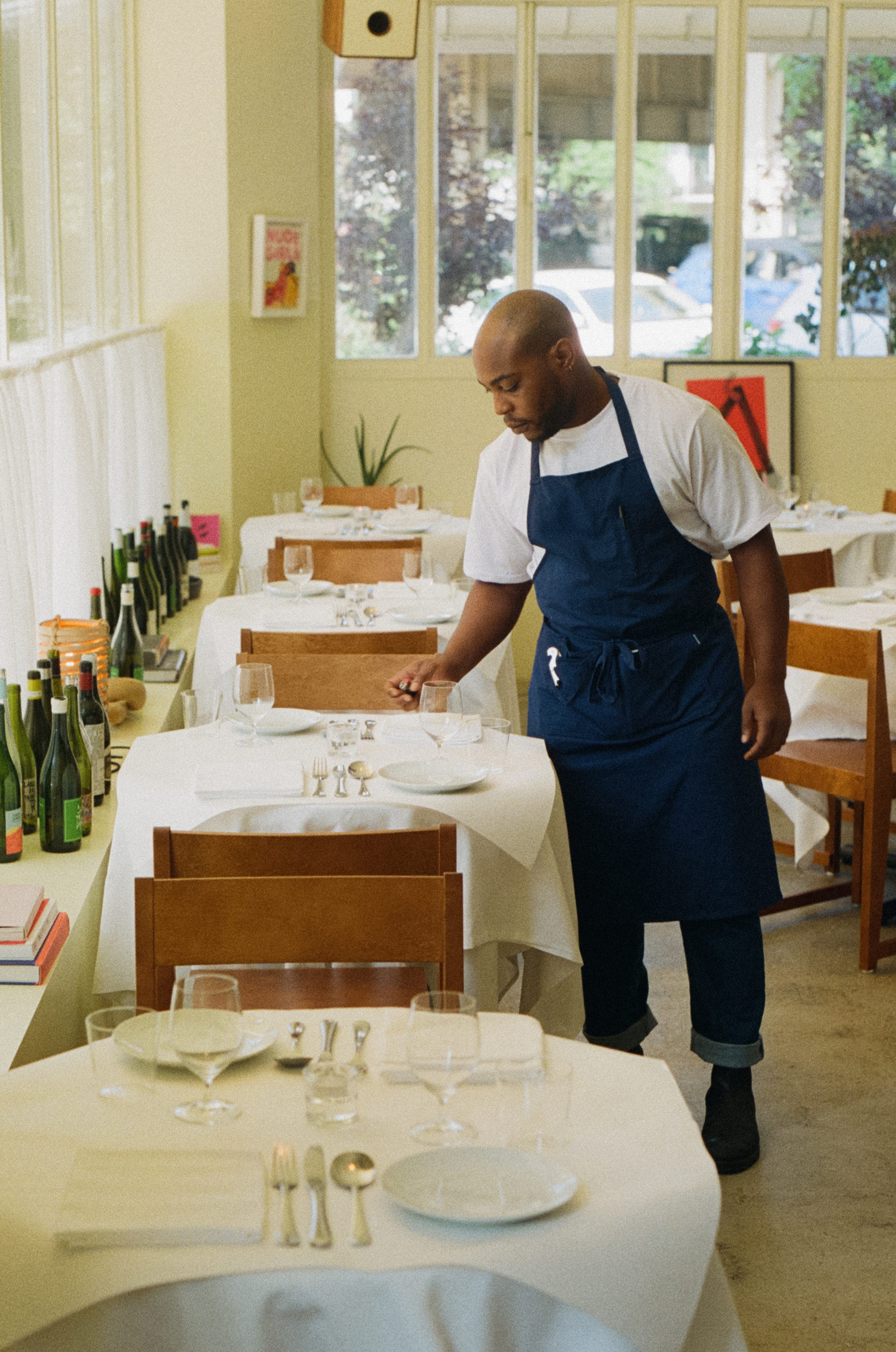
A few weeks earlier, I swung by Cafe Bar J.F. as the team prepped for dinner service. Francisco slid into the banquette seat across from me at a two-top set with a crisp white tablecloth and sleek silverware, hours before they opened.
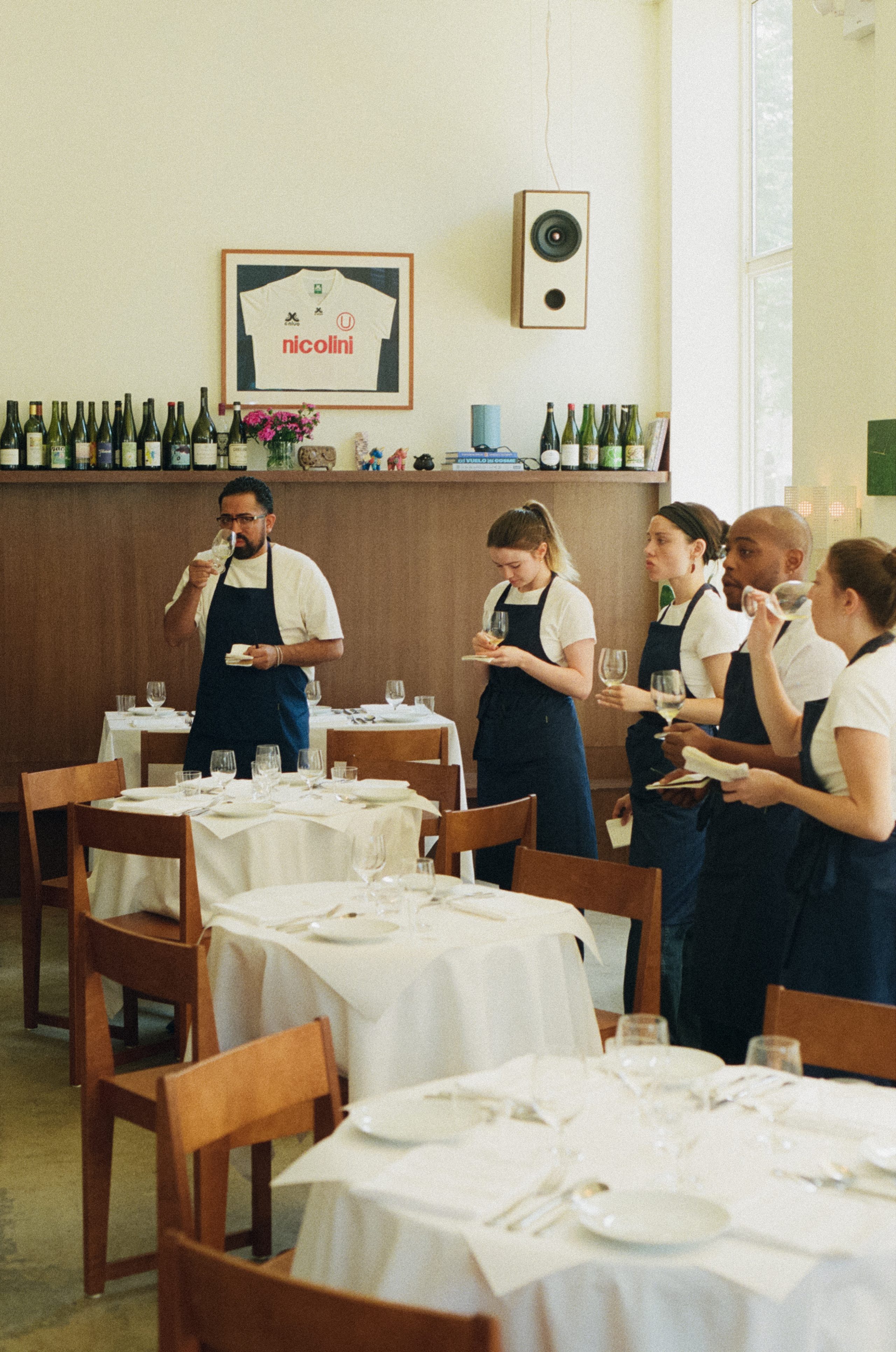
Francisco’s presence is disarming — he has a soft smile and a genuine lightness. For a chef whose restaurant opened less than a week ago, it’s incredible how poised he is.
“Everything is going pretty well so far. We have a lot to work on, though.”
Born and raised in Santiago, Chile, Francisco’s path was fairly linear. He excelled academically and eventually enrolled in law school. But despite his progress, he didn’t feel passionate about his trajectory. He left the program without a plan and set out to discover something that would light him up.
After considering art, design, and a few other avenues, Francisco landed on culinary school at the suggestion of a friend. “Growing up, my family really enjoyed going to restaurants. We had all of our holidays and celebrations there; it was always the main event. And my friend was like, why don't you try cooking?”
He was captivated by the fresh challenge — gaining experience at restaurants around Santiago and becoming absorbed in chefs’ varying philosophies and the culture surrounding them. He remembers watching YouTube videos and being amazed by the kitchens, techniques, and processes from restaurants around the world.
“Growing up, my family really enjoyed going to restaurants. We had all of our holidays and celebrations there; it was always the main event. And my friend was like, why don't you try cooking?”
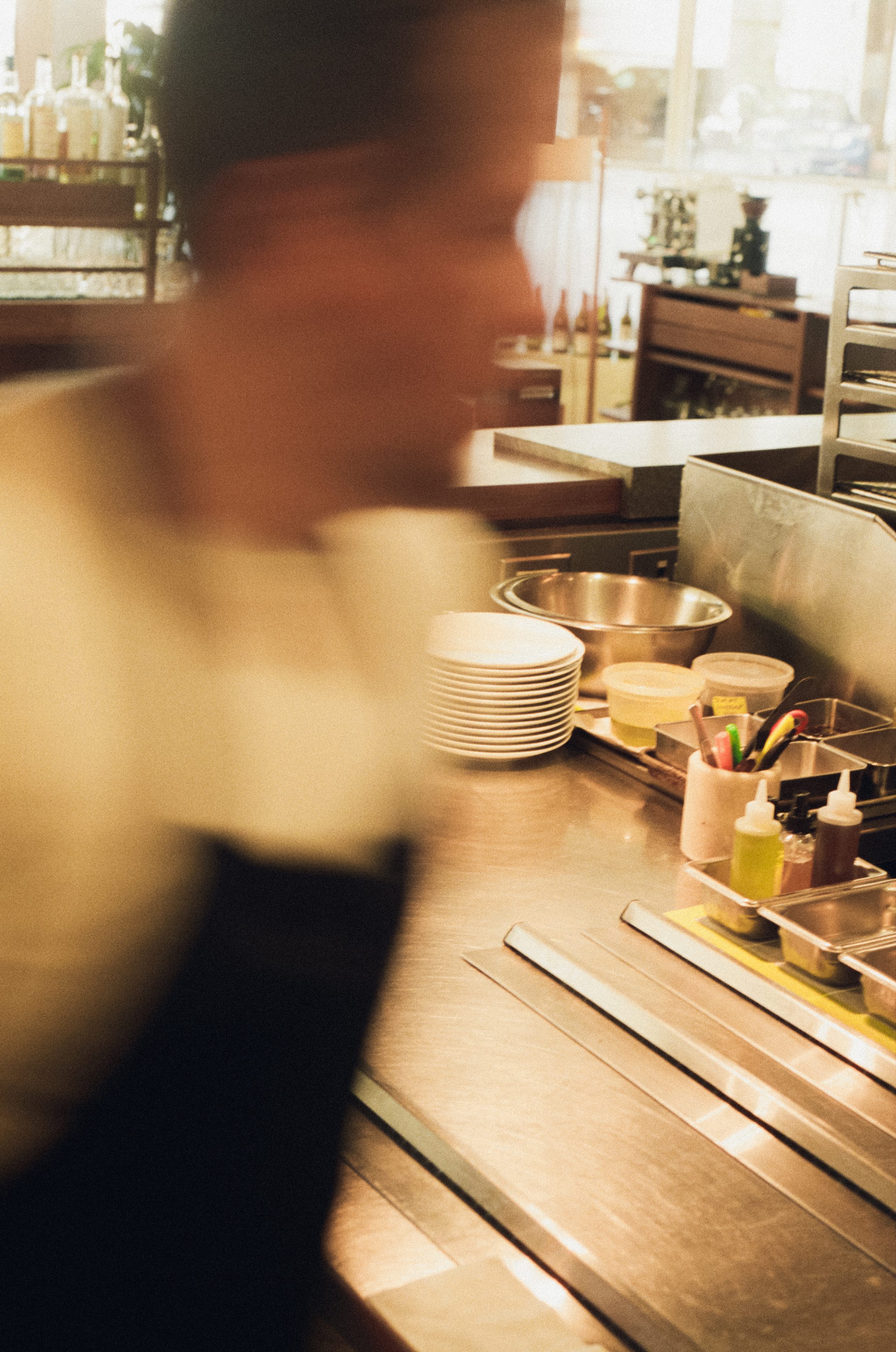
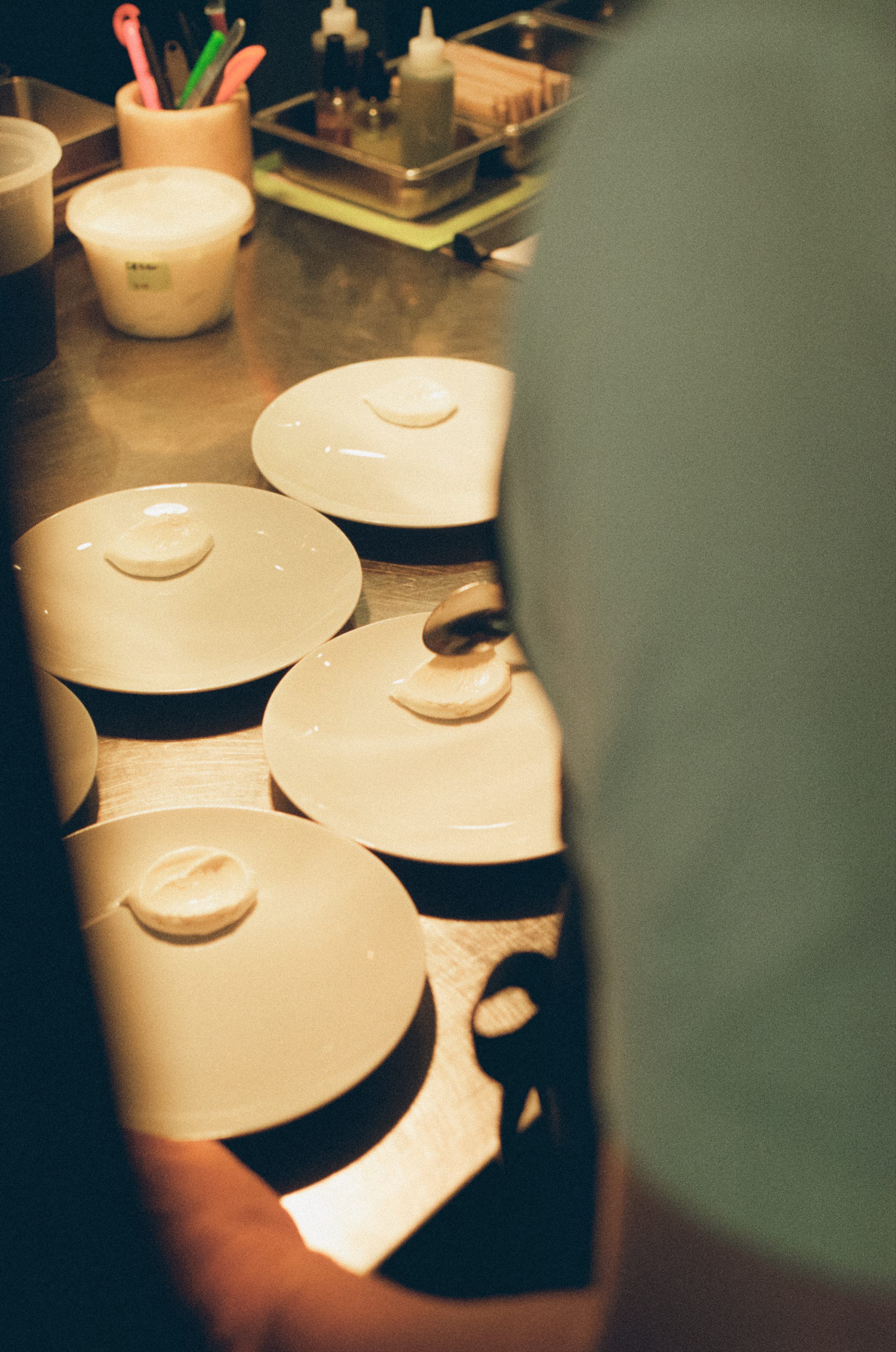
“Before, travel was the only way to understand what else was out there. But social media introduced me to this new world overnight. I remember this restaurant, Quay, and I was watching their chef, Peter Gilmore, do this beautiful plating of a garden salad, and I was like, ‘Whoa, what are those vegetables? We don’t have those in Chile.’”
After culinary school, Francisco applied for an exchange visa program. “Maybe it was childish,” he says, “but I wanted to work at the restaurant from the videos, so that’s where I applied.”
A few months later, he found himself halfway around the world in Sydney, walking into Quay for the first day of his apprenticeship.
His time at Quay was transformative, but challenging: “It was a rough, old-school kitchen. And I was thrown into it without any tools. My English wasn't great. I felt behind on everything. I realized I needed more structured and intensive guidance. Because at Quay, everything was done properly. But I didn’t know how to do things properly.”
That realization defined Francisco's next decade. Back in Santiago, under the mentorship of chef Rodolfo Guzmán at Boragó, he found the structure he was looking for, and the confidence to start building his own perspective.
Francisco recalls plenty of late nights after service, working on the Boragó cookbook with Rodolfo. “I'll always remember that Rodolfo wanted an architectural photographer for the cookbook, someone who never shot food, because he wanted it to feel like nothing else. He wanted different angles and visions for things usually seen the same way by everyone. That decision stuck with me.”
Francisco continued to move through his career with a level of insouciance I found enviable. Over the course of that decade, his pedigree became, for lack of a better term, outrageous.
Every move was driven by curiosity and a desire to continue learning how to do things properly.
He’s passed through some of the most respected kitchens in the world — in London, San Sebastián, Lima, Copenhagen, and Hong Kong — in pursuit of new techniques, fresh perspectives, and a sharper understanding of hospitality. Every move was driven by curiosity and a desire to continue learning how to do things properly.
For a while, this notion was fairly straightforward, rooted in his deep immersion in fine dining. But over the years, and especially during his time in New York City, “properly” continued to evolve.
“I was visiting New York and having dinner at Estela,” he recalls. “This tiny dining room above street level with elegant food but also these distinctly rough edges. I loved it. I knew New York was different, but this showed me a new side to starred dining. People here want the best, but they want to live casually — spontaneously.”
A few years later, Francisco moved to New York full-time to become chef de cuisine at Llama San, working alongside Juan Correa, managing partner of Llama Group. The Peruvian-Japanese menu was Francisco’s first time cooking à la carte. “I really started to understand the flavor of it,” he said. “Every night you could come in, and it could be something unexpected.”
The initial vision for Cafe Bar J.F. grew out of casual conversations between the two: “Juan and I, even in those early days, would talk about the food we grew up eating, and the way we wanted to eat: empanadas with a cold beer; wiping sauces with good bread. That’s always what Cafe Bar J.F. has been about.”
As Cafe Bar J.F. started to materialize, Francisco found himself pulling from past kitchen experiences — but also from places far beyond the résumé: celebratory meals with his family in Santiago, the neighborhood taverns where he'd meet friends for a drink, the feeling of having people over and deciding, “you know what, I’m going to put out the tablecloth this time.”
As night falls over Williamsburg, the wall sconces at Cafe Bar J.F. are dimmed to a moody glow. I watch as the bartenders in front of me dance from one end of their U-shaped quarters to the other, applying finishing touches to “El Pisco Sour de Lola” and pouring an Estrella into a frosted, thin-walled glass. The next course lands in front of me, this time delivered by Francisco: a crunchy celery salad blanketed with frozen, grated avocado and sprinkled with Chinese pine nuts.
“This one’s my favorite,” he says before slipping back to the pass.
I take another bite and find myself looking up at the speakers yet again. Suspended by an almost invisible wire, they’re still drifting gently with the music — fluid, interesting, loose, but somehow never off track.
Even this early on, every detail at Cafe Bar J.F. feels remarkably settled: elevated in some ways, stripped back in others. Nothing commands your attention, but nothing feels overlooked.
“Fine dining is like a philharmonic orchestra,” Francisco tells me. “I want this place to be like a really, really good jazz solo.”
LATEST STORIES
Our collection of digital stories highlighting the food & beverage community, beyond the coverage of our printed issues.