NOVEMBER 2026
Michael Shaikh on the True Defenders of Food Culture
WORDS BY ANAIS DERSIMONIAN
PHOTOGRAPHY BY SOPHIE CHEN
In the 1970s, the South Bronx was ablaze — not from one large fire, but thousands of smaller ones — the result of decades of redlining and housing segregation. Poor fiscal management by the City of New York had led to the gross negligence of poor communities of color, predominantly Black and Puerto Rican, that lived there. Landlords torched buildings for insurance money. The city's "planned shrinkage" policy withdrew fire departments, schools, and services from neighborhoods deemed unworthy of saving. Entire blocks were abandoned, people's homes and livelihoods left for dead.
What gets lost in the retelling of this history (now simply called the Bronx fires) is that the arsons didn't just destroy apartments. They took markets and kitchens too. Ovens where a Puerto Rican family made pasteles for the holidays, the corner bodega that stocked the one brand of sofrito a block of families trusted. When a neighborhood is flattened, it doesn't just displace people; it severs the infrastructure through which food knowledge passes from one generation to the next.
This is what scholars and human rights activists now call domicide: the deliberate, systemic leveling of homes, markets, and other places where people build culture — not a byproduct of policy or war, but a method of erasure in itself. Domicide is most often discussed in the context of armed conflict: think Gaza, Aleppo, Mariupol, Maungdaw, Sudan. But, as the Bronx fires illustrate, it’s possible to witness in our own backyard, too.
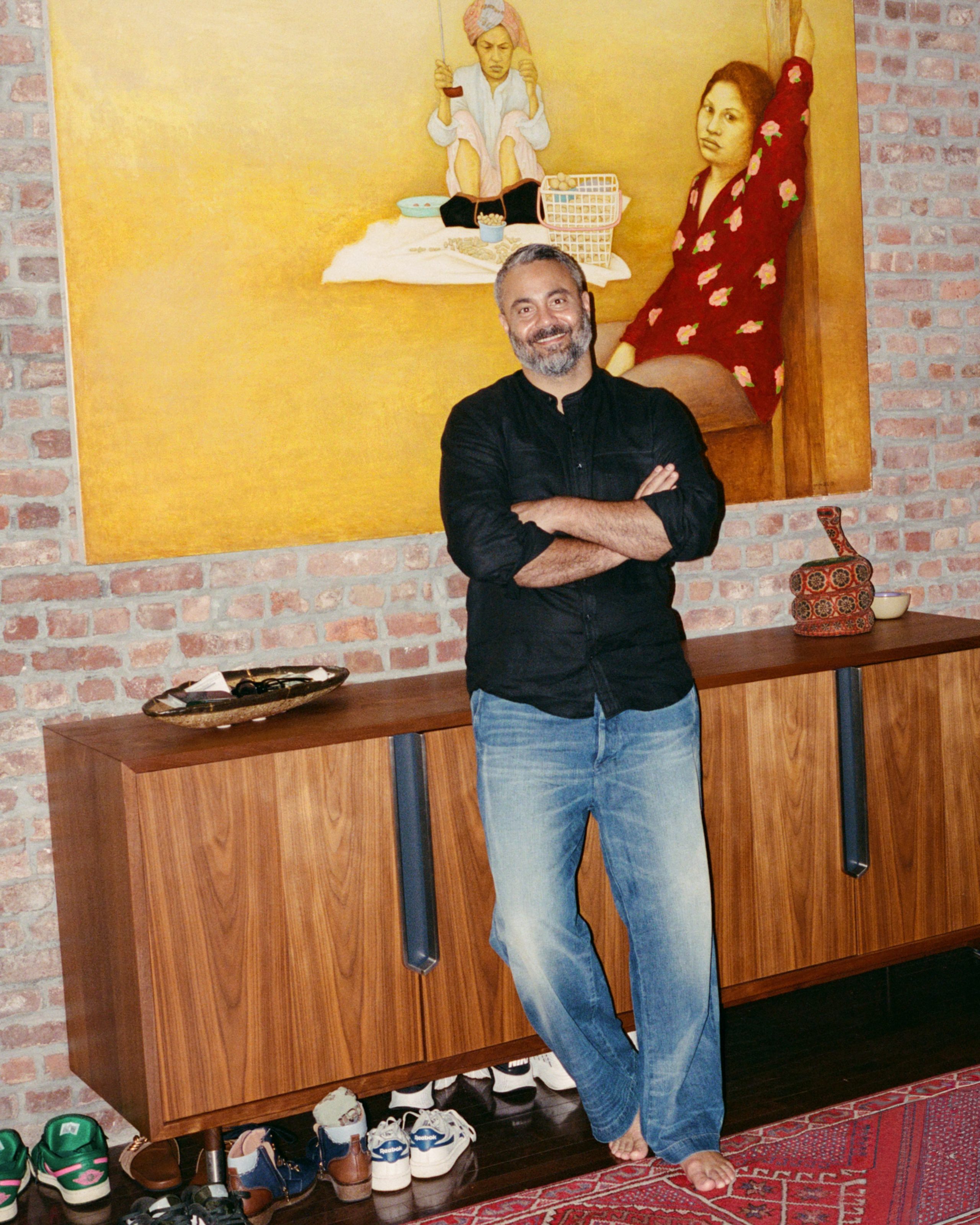
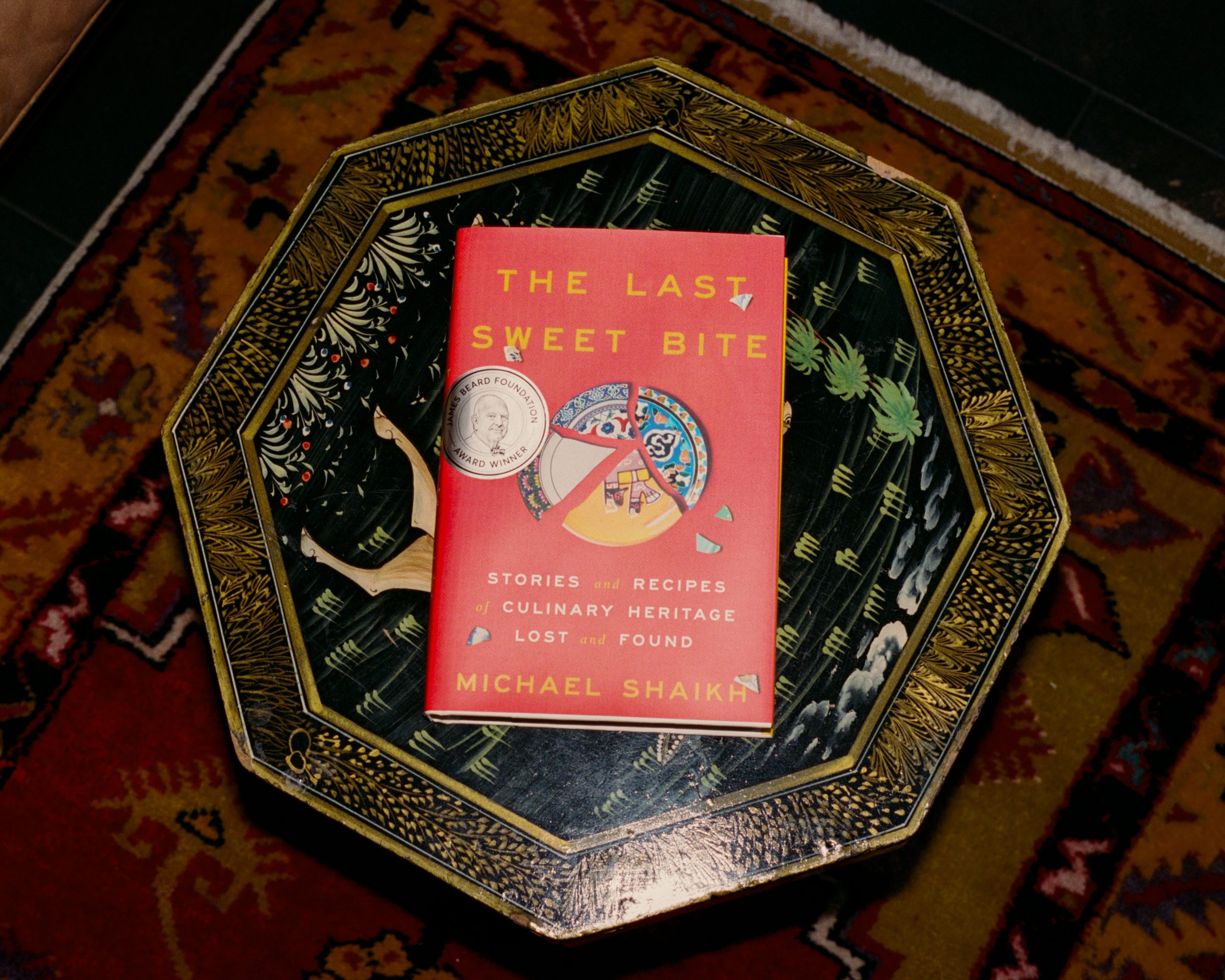
Michael Shaikh, the James Beard Award-winning author of The Last Sweet Bite: Stories and Recipes of Culinary Heritage Lost and Found (Crown), spent nearly twenty years as a human rights investigator. The son of a Pakistani father who endured the atrocities of Partition, Shaikh gravitated early toward a life of civic service, documenting war crimes for Human Rights Watch, International Crisis Group, and the UN's human rights office. What he didn't expect was how consistently he'd find himself in people's kitchens.
"I was often talking to victims of war over food. The meal gave us both a moment to breathe, collect ourselves. Then people would start to tell me stories about the food we were eating and how the war was changing it."
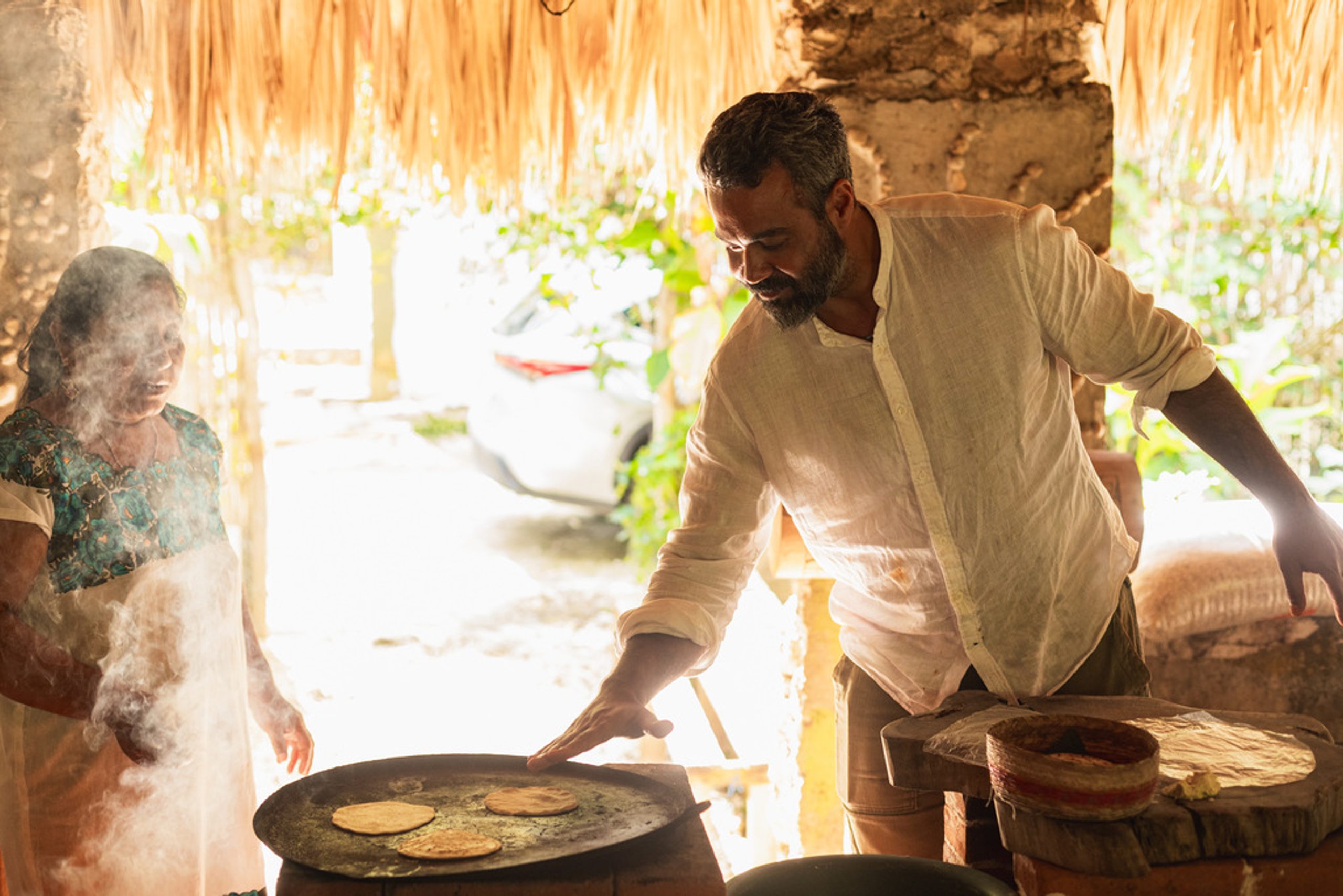
"I got the idea for this book 15 years ago, in Afghanistan. I was often talking to victims of war over food. The meal gave us both a moment to breathe, collect ourselves. Then people would start to tell me stories about the food we were eating and how the war was changing it."
Shaikh’s book traces how those kitchens, and the people cooking in them, taught him about violence itself; it doesn't just kill people, it kills what they eat and how they eat it.
"I saw this power of food to tell stories. To bring in a broader population to human rights issues, to use food as a trojan horse. Maybe food can be a brick in a stronger human rights movement going forward."

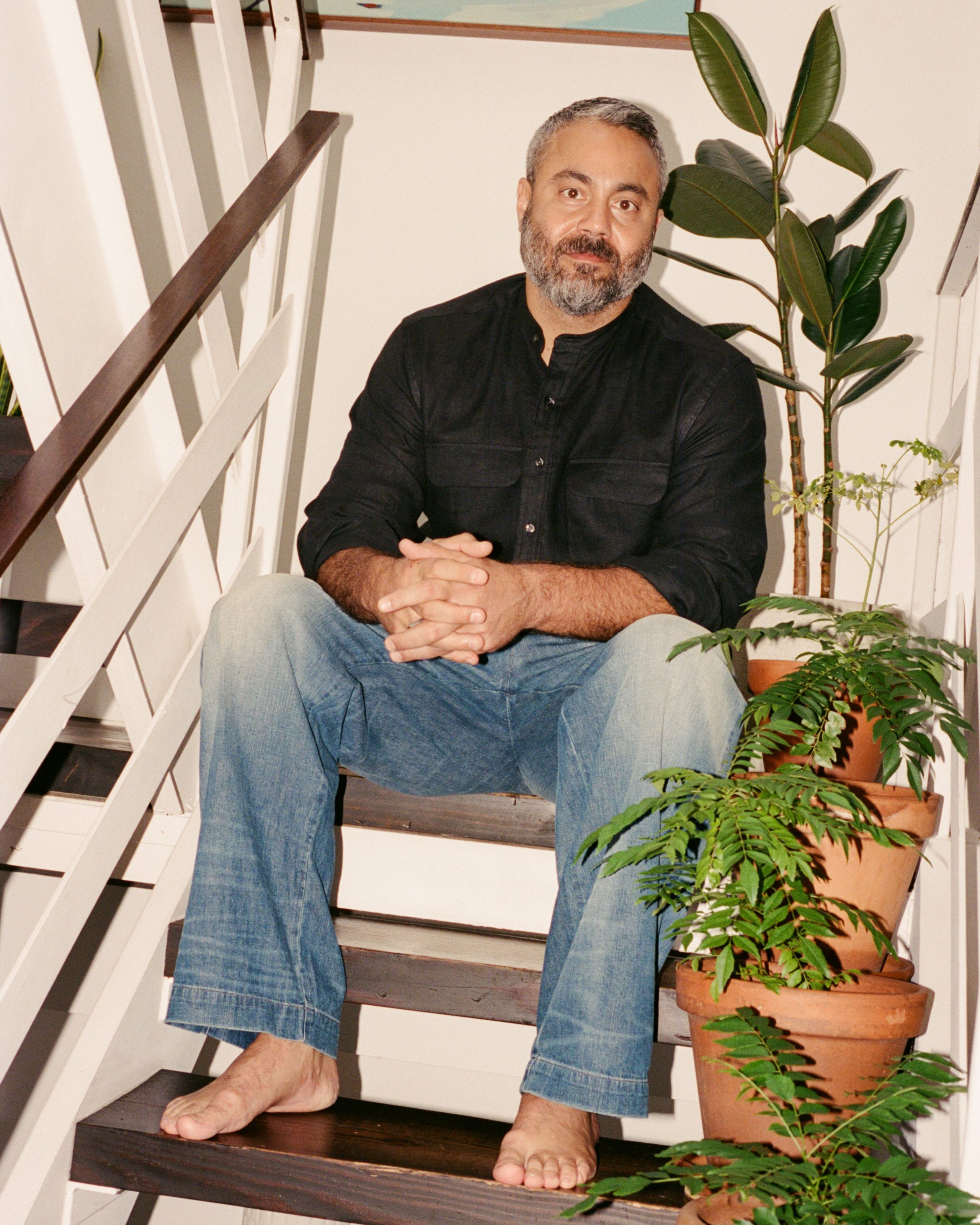
Shaikh isn't quite what you'd expect from someone who has spent almost two decades documenting atrocities. He's gregarious and warm, his face lighting up over his favorite Brooklyn restaurants or his love of swimming. I met him at his Park Slope home, tastefully accented with South Asian decor and an inviting kitchen at its center. Inside, he swapped out his colorful Nike Jordan’s for a second, identical pair ("One for inside, one for outside!") — a true man of reason.
"I saw this power of food to tell stories. To bring in a broader population to human rights issues, to use food as a trojan horse."
However, when the conversation turned to the Tamil genocide, or the Rohingya refugee camps where he'd spent significant time, his demeanor shifted. The warmth remained, but a deep-seated, solemn respect for the people and stories he'd encountered surfaced. Together, we chewed on his book's central argument: the connection between domicide, culinary culture, and the need to protect women and girls in war zones.
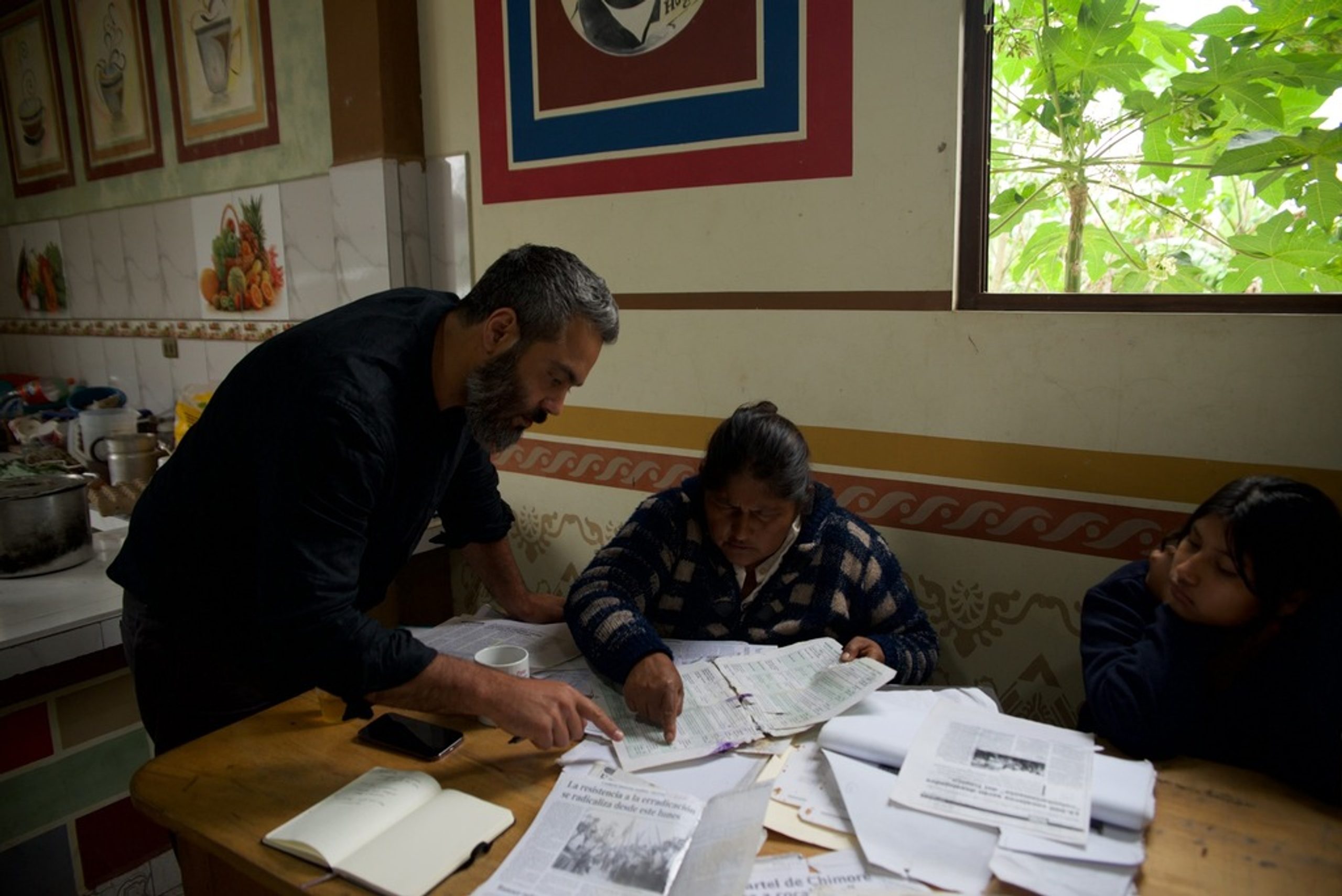
Shaikh's framing of domicide is unambiguous: "Through domicide — the intentional flattening of homes and towns — you're flattening a culture. You're making it hard for culture to take root again," he says. "One of the things we can do is outlaw domicide. We can frame it as being as bad as genocide and to label it a new type of war crime under international law."
The Last Sweet Bite argues that the destruction of homes matter not only because they are homes, but because of who lives inside them. Elders, women, and girls are, in Shaikh’s words, the “load-bearing pillars of culinary heritage.” Though often perceived as vulnerable and easy targets in times of war and conflict, they are the ones who safeguard recipes and determine when, how, and to whom they are passed down. They are also often the ones who eat less and eat last, sacrificing what they have to feed their families. In other words: the same people who sustain a community’s culinary traditions are often those whose labor, knowledge, and even hunger go unnoticed.
"Women and girls carry so much of our culture — they make so much of our culture. By attacking them, you undermine a culture. Domicide is the wholesale destruction of homes and towns, kitchens and markets. And where do women and girls spend most of their time? So, if you flatten those places, you flatten the places where the most important aspects of human culture are made." He concludes that "by better protecting women and girls in war, you better protect culture in war. Essentially, if you care about food, you have to care about the people who are making that food."
The West has a habit of attributing culinary genius to the predominantly-male, Michelin-starred chef elite. But as The Last Sweet Bite makes clear, culinary traditions (especially for cultures under threat) survive largely by the hands of unrecognized women and girls.
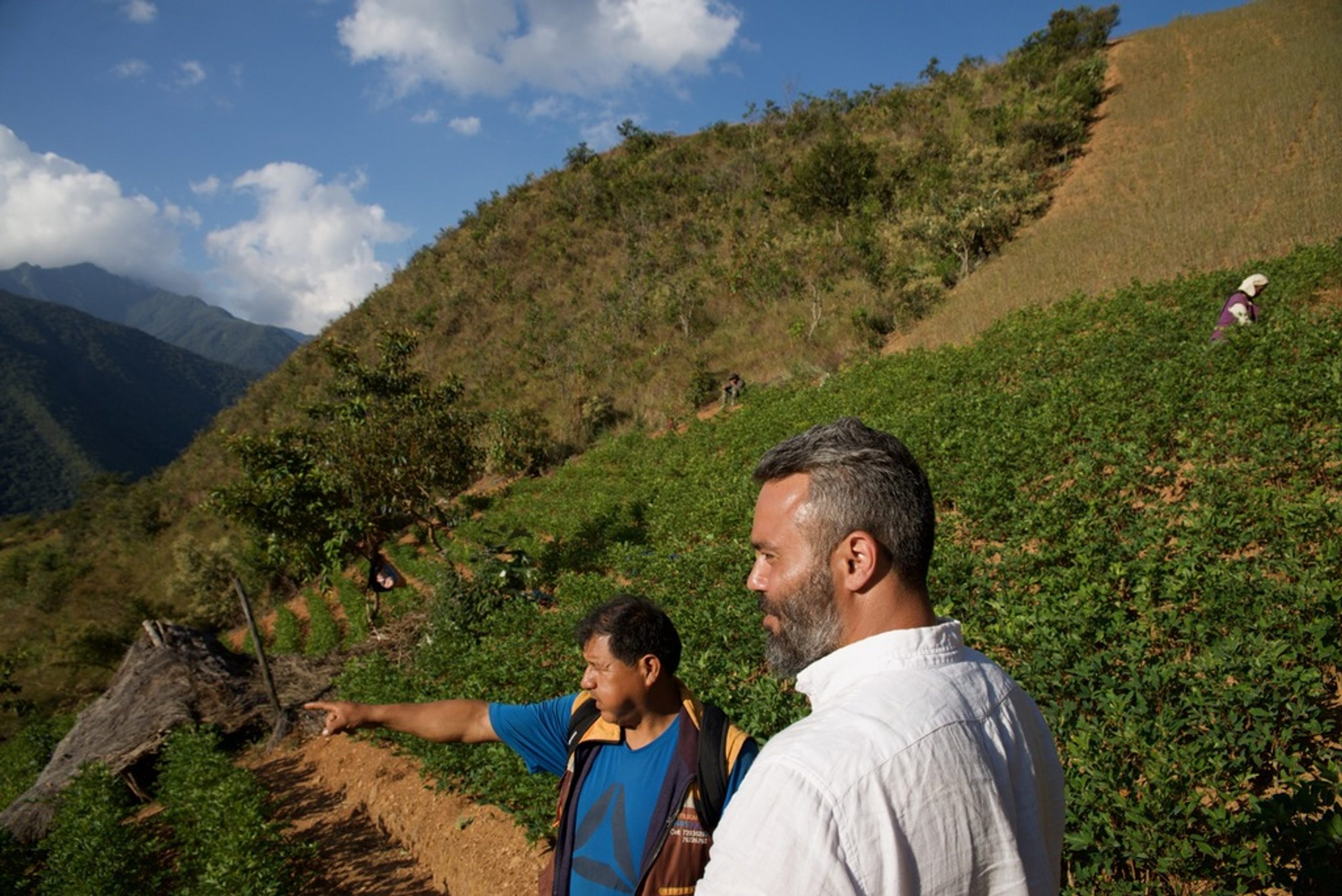
What makes Shaikh's book distinct is that he doesn't stop at cataloging atrocities; he documents the grassroots organizing that keeps culinary traditions alive despite it. He frames cooking as rebellion: an insistence that a culture continues on its own terms, even after the place in which it was forged has been erased. It treats these communities not as victims, but as agents of their own culinary preservation.
Take the Eelam Tamils, discussed in The Last Sweet Bite. During the Sri Lankan military's genocide, starving civilians were forced to boil their rice rations in seawater to survive — a crisis adaptation of the typical Tamil kanji, a rice porridge typically boiled in freshwater or milk. Each year on May 18, Mullivaikkal Remembrance Day, Tamil diaspora communities worldwide prepare saltwater kanji to honor those lost and pass the recipe down as an act of resistance and remembrance.
Or take Shaikh’s chapter on the Pueblo Nations, which traces how amaranth (known to some Native American nations as the "fourth sister" to staple crops corn, beans, and squash) survived centuries of colonial erasure under the Spanish.
As Shaikh explains, the Spanish banned amaranth for religious and military reasons, fearing its role in Indigenous spiritual practices gave warriors the strength to resist colonial rule, as it is said to have done in the Aztec's victory at Tenochtitlan. The ban also coincided with the discovery of silver in Mexico. “Essentially, they were controlling food sources — controlling amaranth — as a way to force and enslave the Indigenous people of Mexico into the silver mines to work,” Shaikh says.
Only in recent decades have the Santa Clara Pueblo and other Indigenous Southwest communities revived the plant through foodways and resistance projects. As Shaikh reflects, “This kind of violence, one that makes people forget their culture, can persist for centuries. The work that these communities are doing to restore and teach about amaranth shows the beauty of the connection between humans and plants. How, by saving a cuisine, you can really save a life.”
"Women and girls carry so much of our culture — they make so much of our culture. By attacking them, you undermine a culture."
Shaikh’s work has also shaped my own research on culinary preservation. As an Armenian diasporan chef and filmmaker, I’ve traced similar resistance among my own people. After the recent land seizure and ethnic cleansing in Artsakh, displaced Armenian winemakers smuggled out the vines of the cherished indigenous grape varietal Khndoghni as they fled. They have since planted the vines in mainland Armenia where they settled, as an act of resilience and defiance. With Shaikh’s work as my inspiration, I'm currently working on a project that tells their story. For these winemakers who were forced to leave everything behind, this is an act of cultural and culinary preservation. The terroir has changed, but the grape has not. And the wine it yields is something to pass on to the next generation.
Perhaps it’s the grassroots resistance that has always moved the needle.
In the South Bronx, after the fires, residents founded the Banana Kelly Community Improvement Association, rehabilitating abandoned buildings and rebuilding services for their community. Like Tamil kanji, Pueblo amaranth, and Armenian grapevines carried out of Artsakh, Banana Kelly is an act of insistence — proof that even under threat, the people who rebuild are often the same ones who never stopped cooking, teaching, and passing down what their perpetrators tried to erase.
In a world where cultures are too often cleansed, displaced or forgotten, these seemingly ordinary acts of culinary preservation amount to something monumental. They can be the difference between a tradition remembered and one forgotten; between something passed down to the next generation and something lost.
As Shaikh puts it, “a recipe can be a battlefield.” Maybe, when we begin to recognize the true defenders of food culture — those doing the work of cultural preservation — we'll begin to respect what's on our plate a little more.
LATEST STORIES
Our collection of digital stories highlighting the food & beverage community, beyond the coverage of our printed issues.