NOVEMBER 2026
A Return to the Tea Fields — A Photo Essay
PHOTOGRAPHY BY FLY CHENG
WORDS BY FLY CHENG
For photographer Fly Cheng, her family's tea fields in the mountains and life in Taipei were ordinary facets of childhood; and yet, home felt overwhelmingly familiar. After calling Europe home for the past seven years, Cheng now confronts the idea of belonging and examines what we refer to as home. In this personal photo essay, Fly Cheng rekindles a lost connection to tea and her own family. Like leaves steeping novel essence into water, Cheng brings new eyes and a wider understanding to the tea making traditions from her childhood.
— Sara Hoffman (Digital Editor)
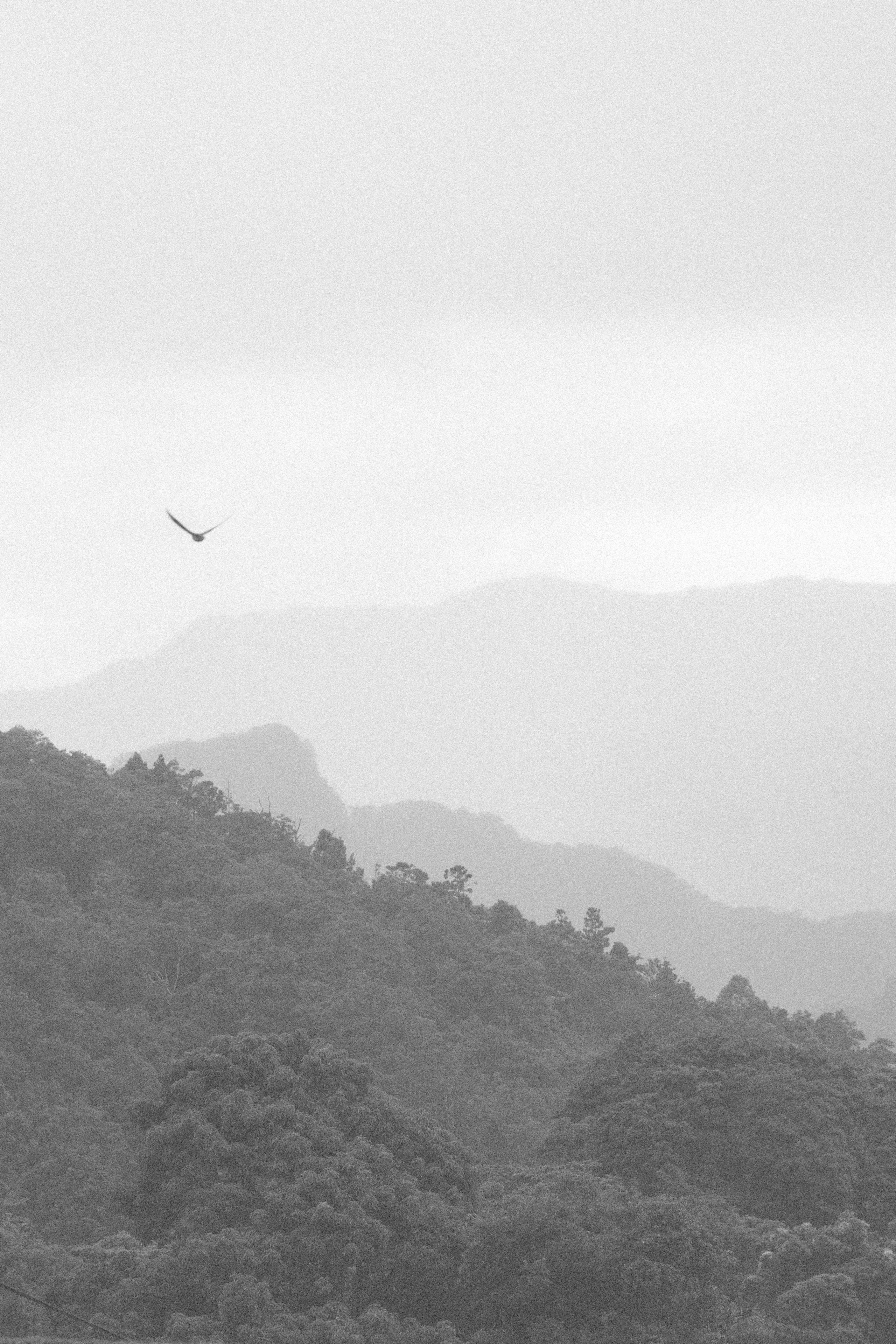
I grew up in the fast-paced city of Taipei, but much of my childhood was spent in Pinglin, where my family’s tea fields sit amidst the mountains of northern Taiwan.
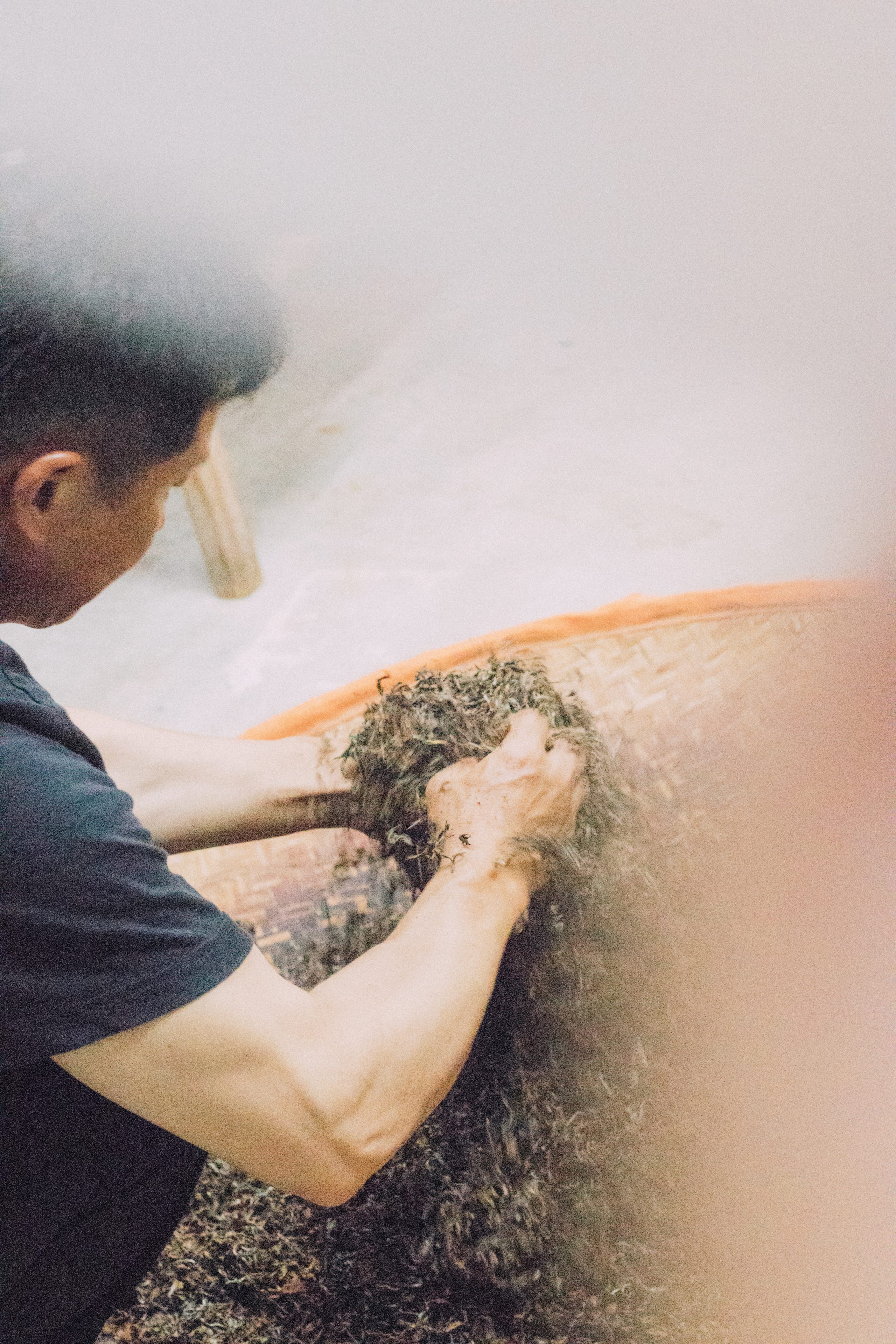
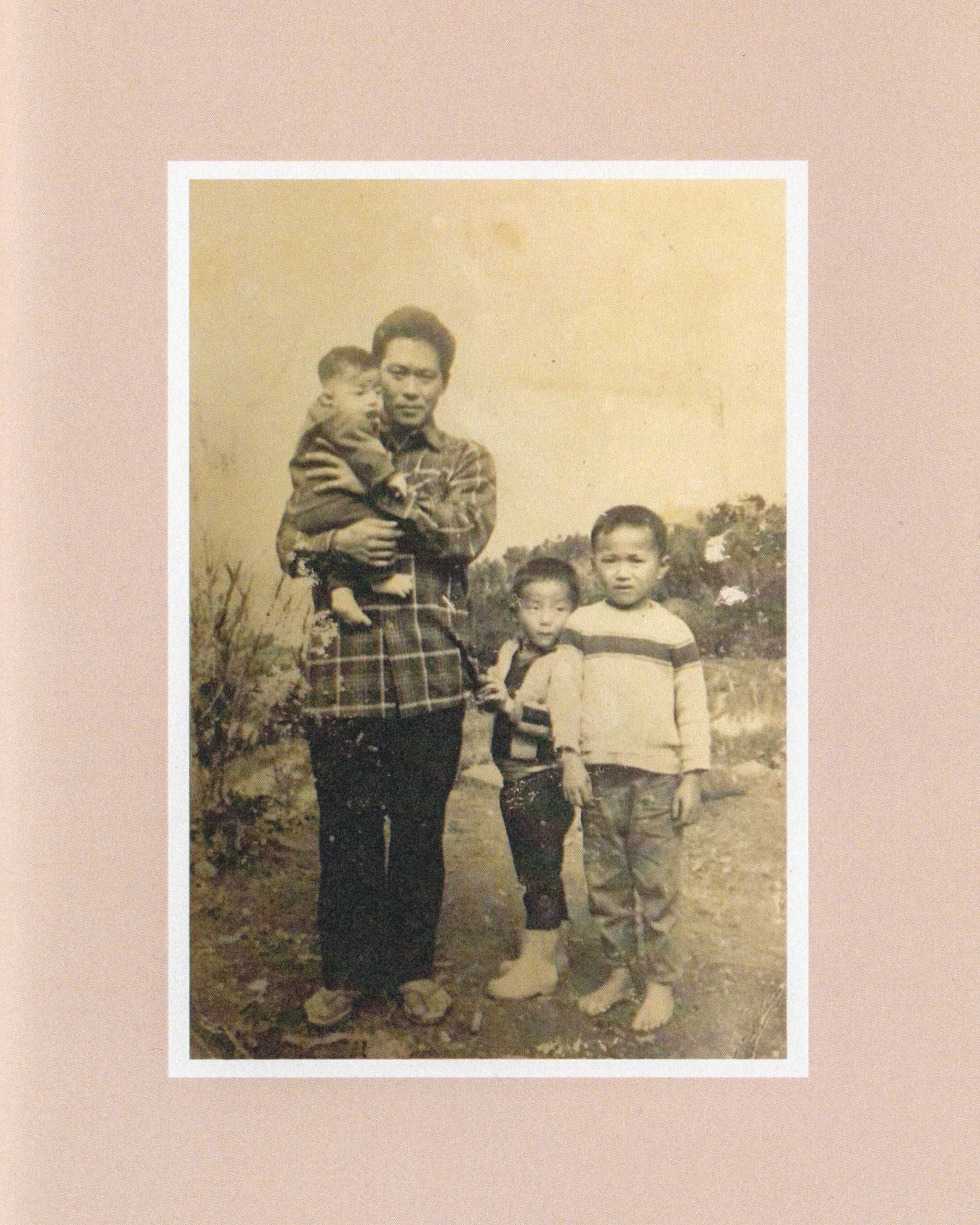
My family has been growing tea for around a century, beginning with my great-grandparents’ generation. Every harvest season and holiday my family would return to my grandparents’ house to help with the tea harvest. While my parents and relatives spent long hours working between the fields and the factory, my cousins and I would race between rows of tea bushes, explore the mountains, and play until the sun fell.
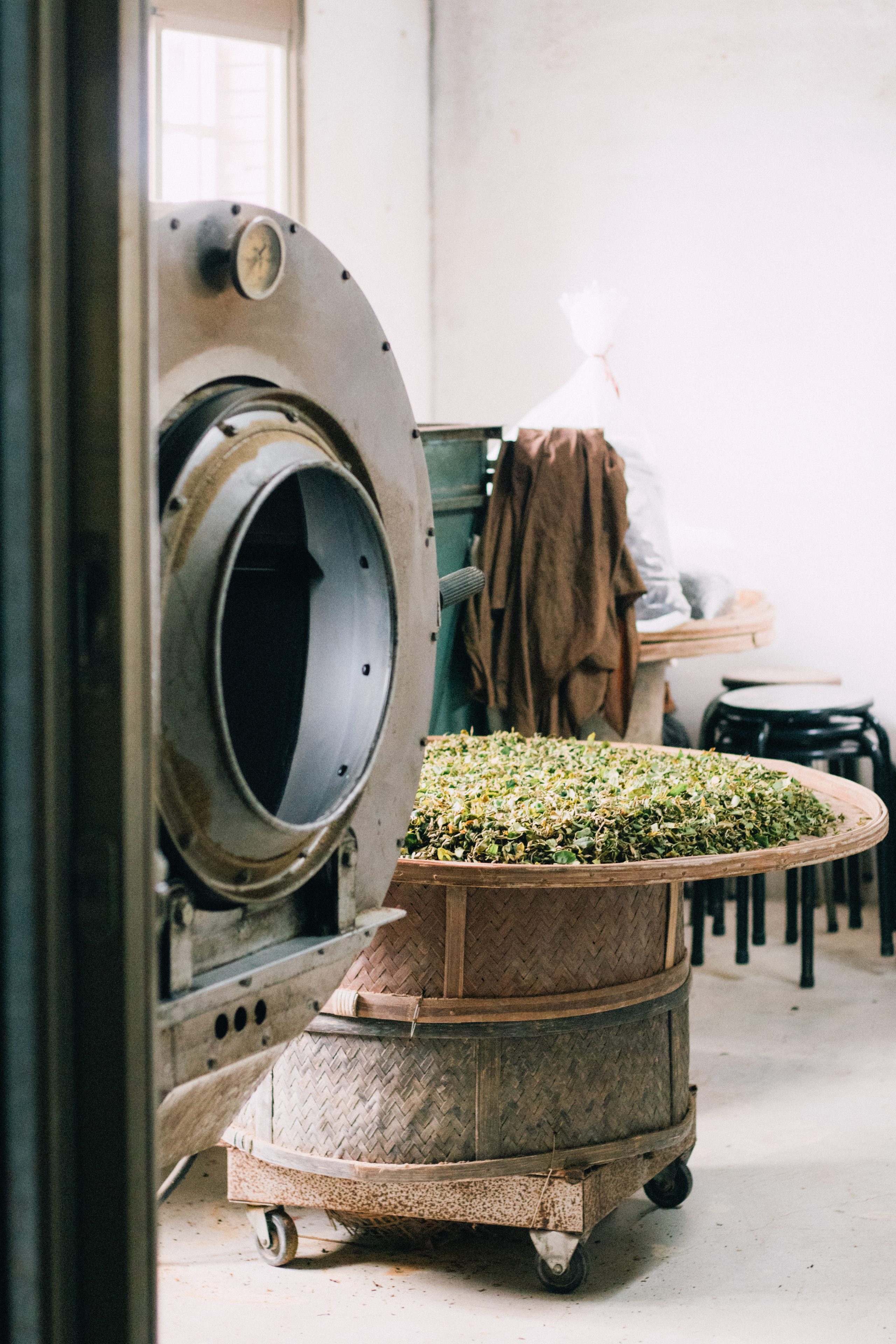
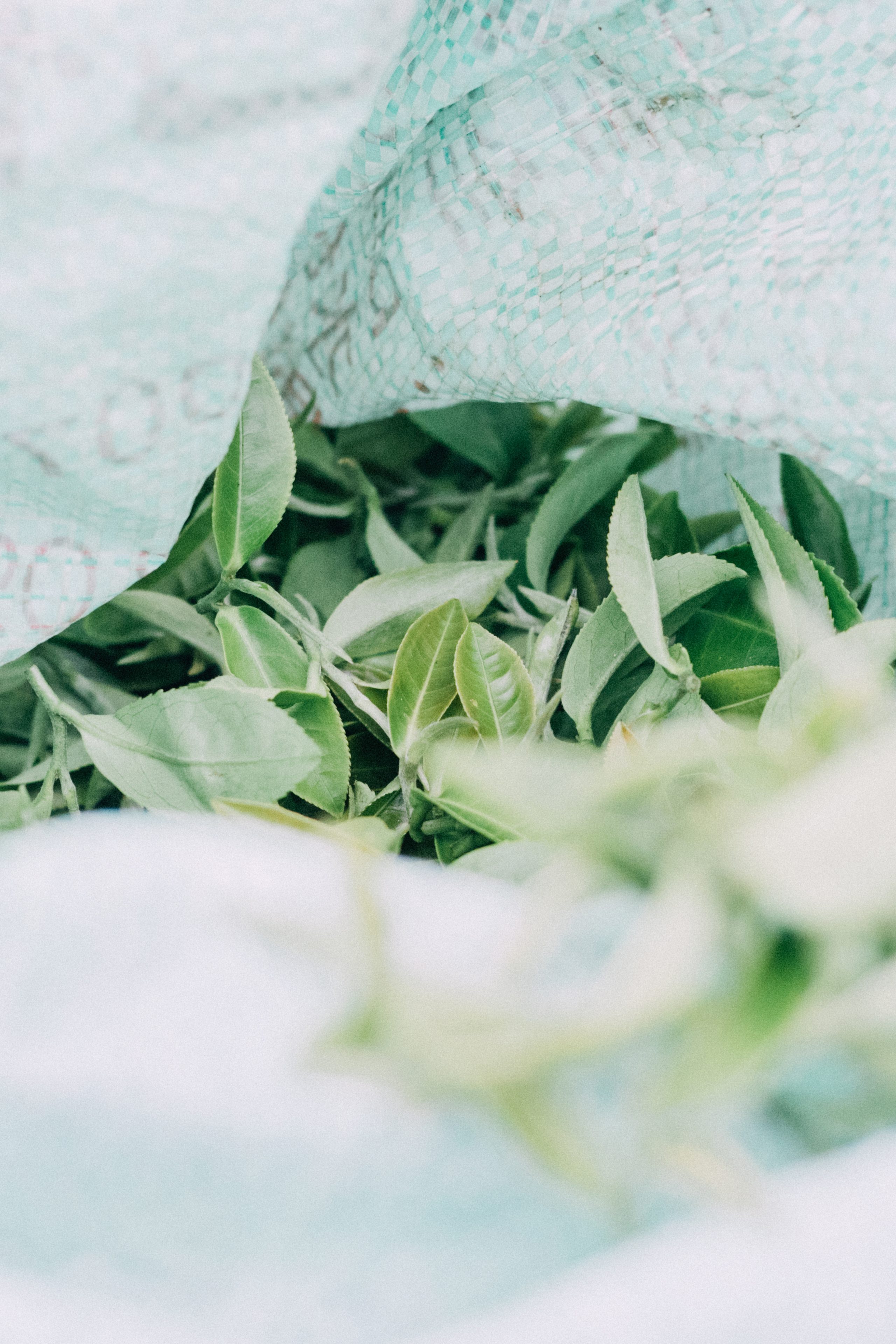
The house was always filled with freshly harvested tea leaves waiting to be processed—the baskets of leaves stacked everywhere gifted a lingering tea scent to each room. From morning until night, machines echoed throughout the factory.
As a child, I never thought much about the hard work happening around me. The trips to my grandparents’ were simply a part of childhood. I was personally more curious about places I had never seen. Growing up in a working-class family, I didn’t have many opportunities to experience life beyond Taiwan, and as I grew up I desperately wanted to explore the world outside of what I knew.
That curiosity led me to Europe where I’ve now lived for the past seven years. During these years I was like a sponge, absorbing stories and witnessing how individuals understood their own cultures. Meeting people from different backgrounds and immersing myself in new cultures shifted the way I viewed my own. Living far from home also gave me time to reflect on myself. And one question lingered.
Where do I belong?
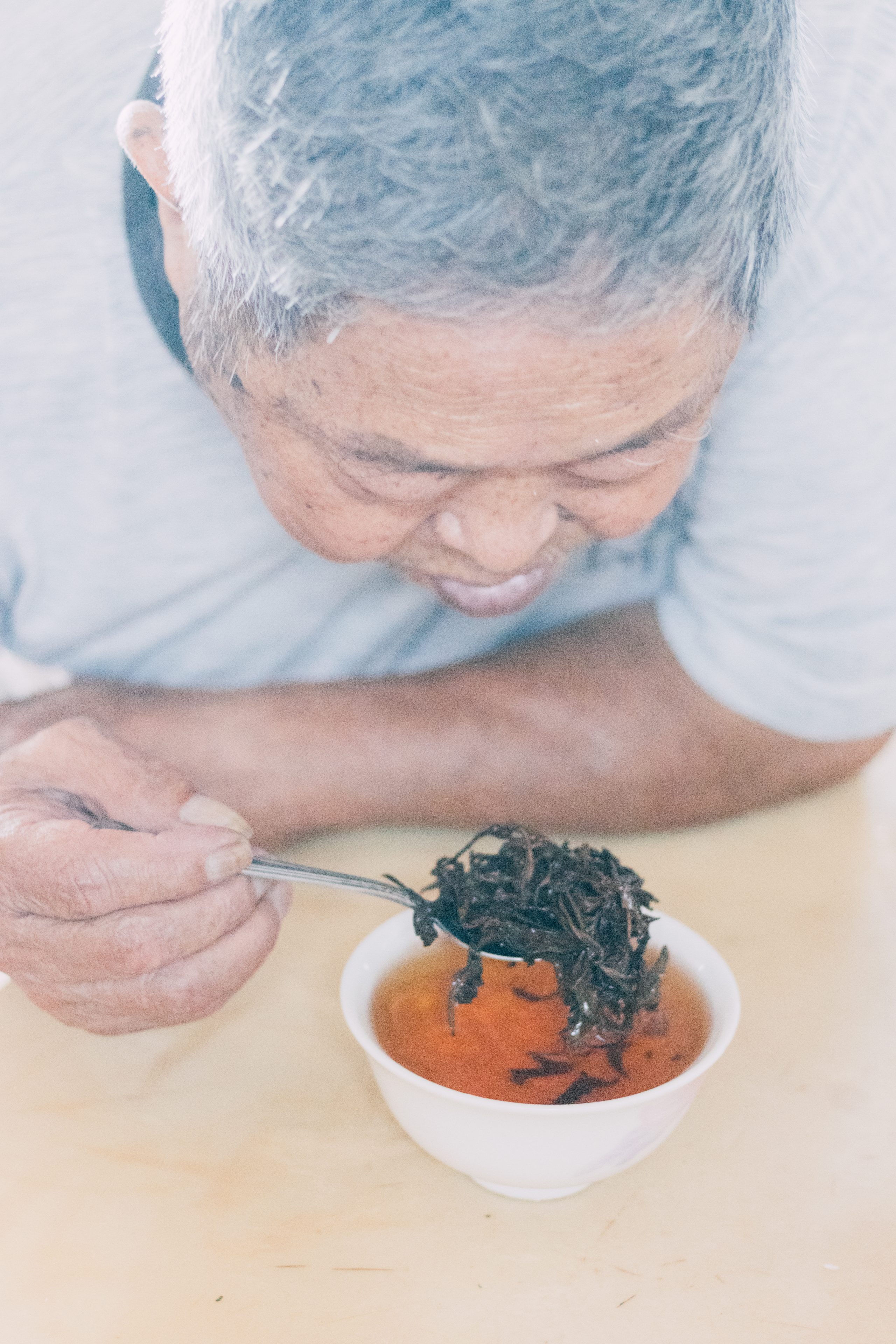
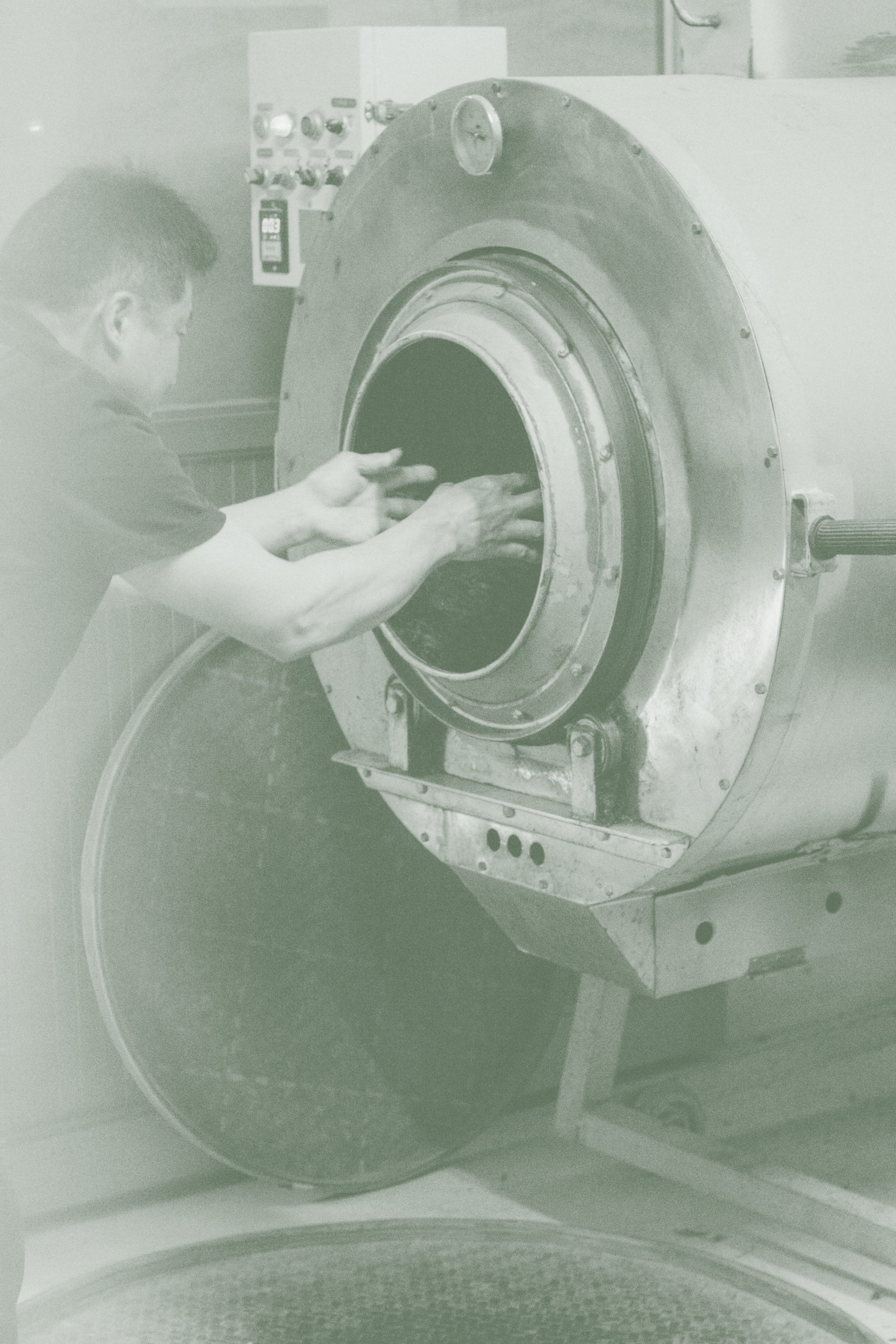
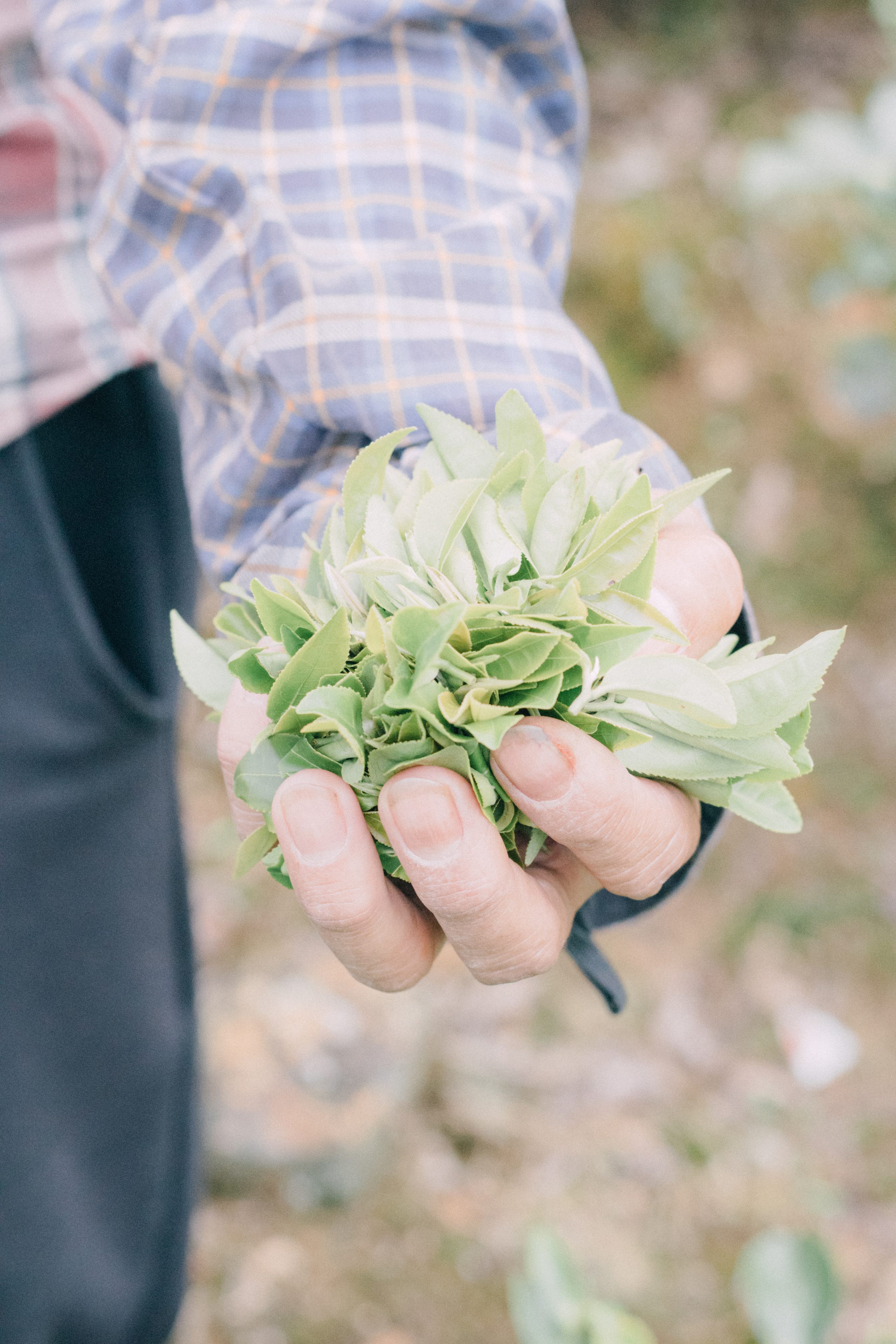
I thought about home. About tea and the ordinary things I had grown up with—the smell of freshly picked tea leaves, sitting around the table drinking tea with my family, and the sound of machines running late into the night. Tea had been integral to my childhood, my family, and every memory of home.
I started to notice, at the same time, that things at home were changing.
My grandfather is now in his nineties and my father is the only one in the family who still carries the craft—without him, nearly a century of family tradition could come to an end. I understand that nothing lasts forever, yet it’s disheartening to realise that a tradition which has spanned across generations might not continue.
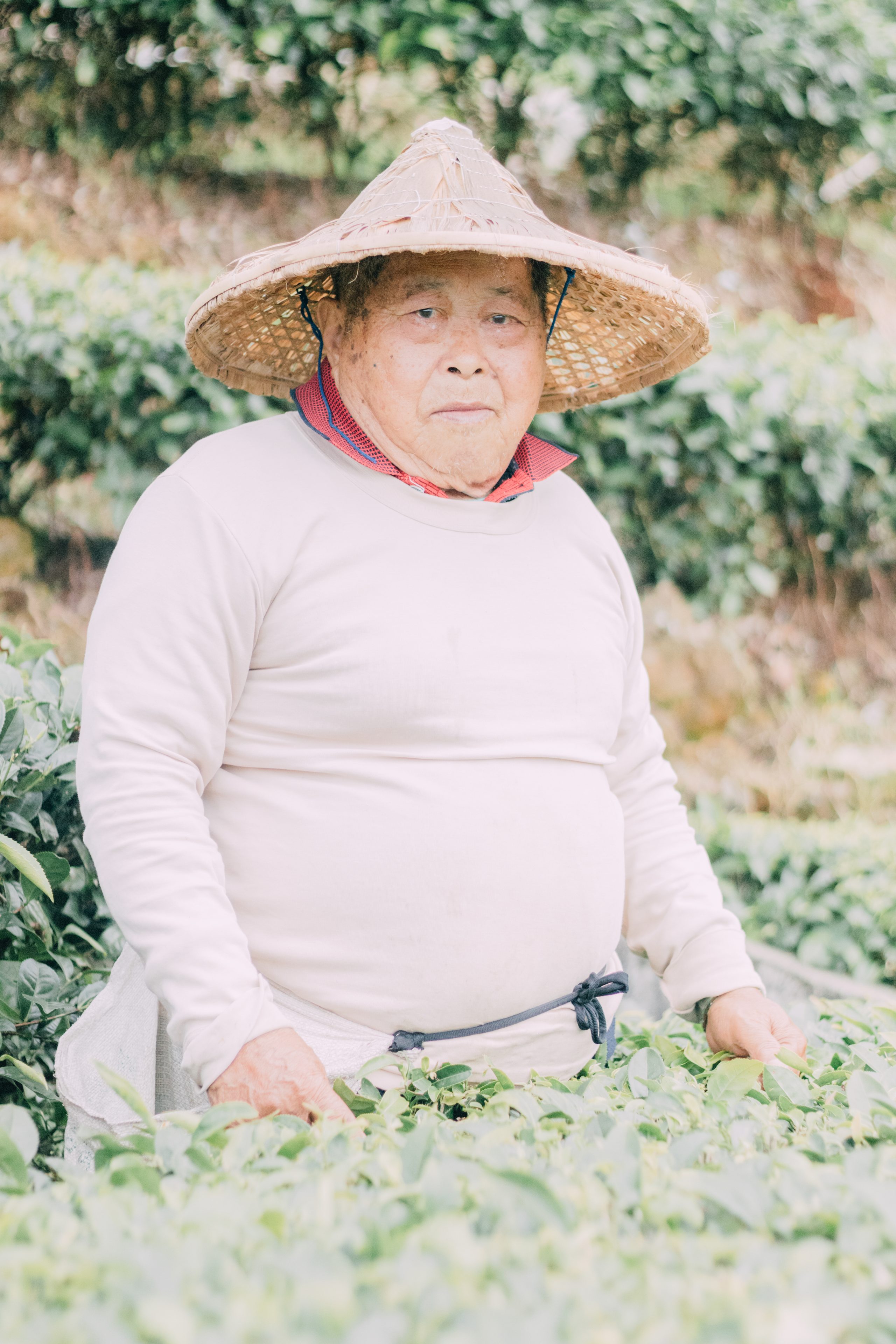
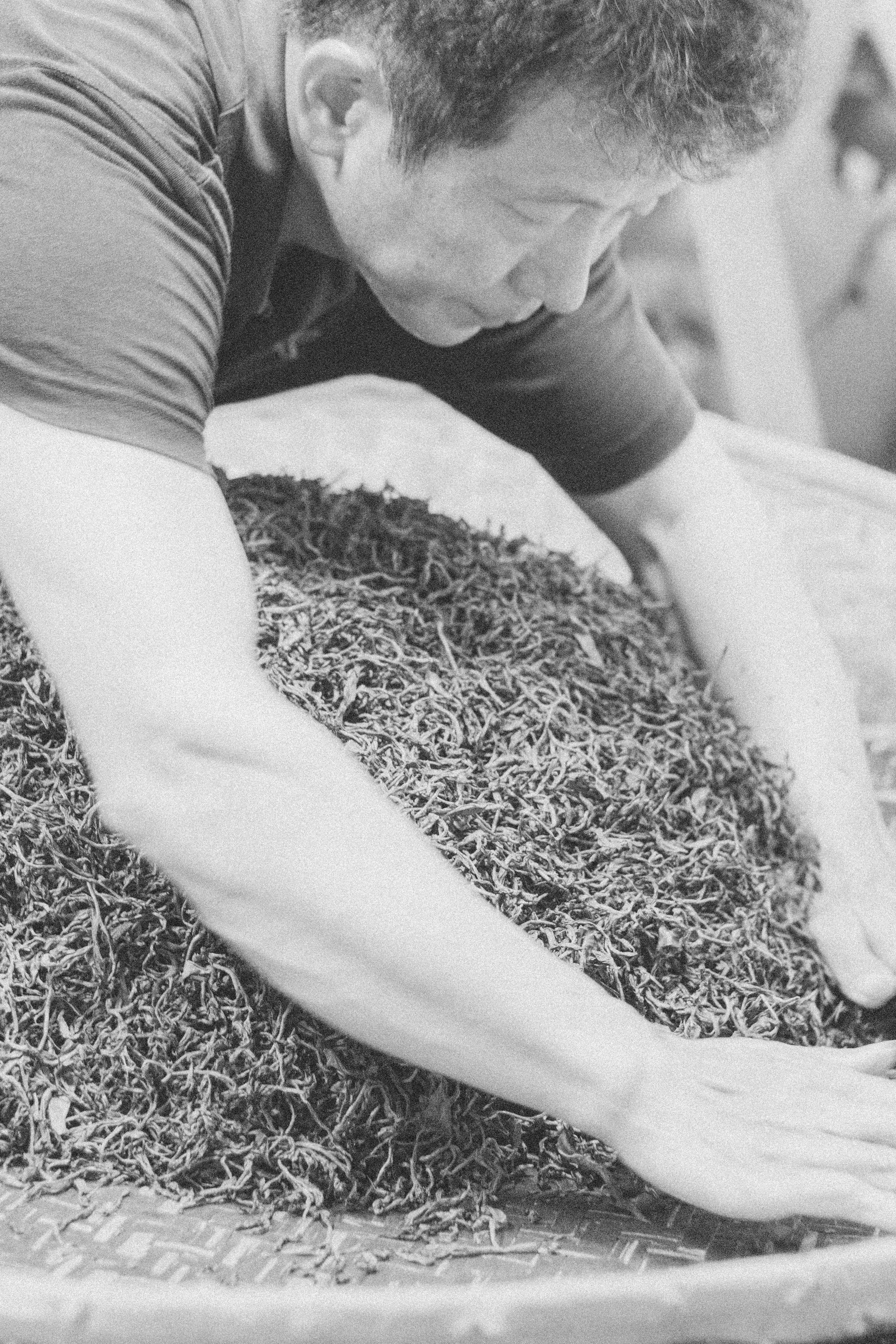
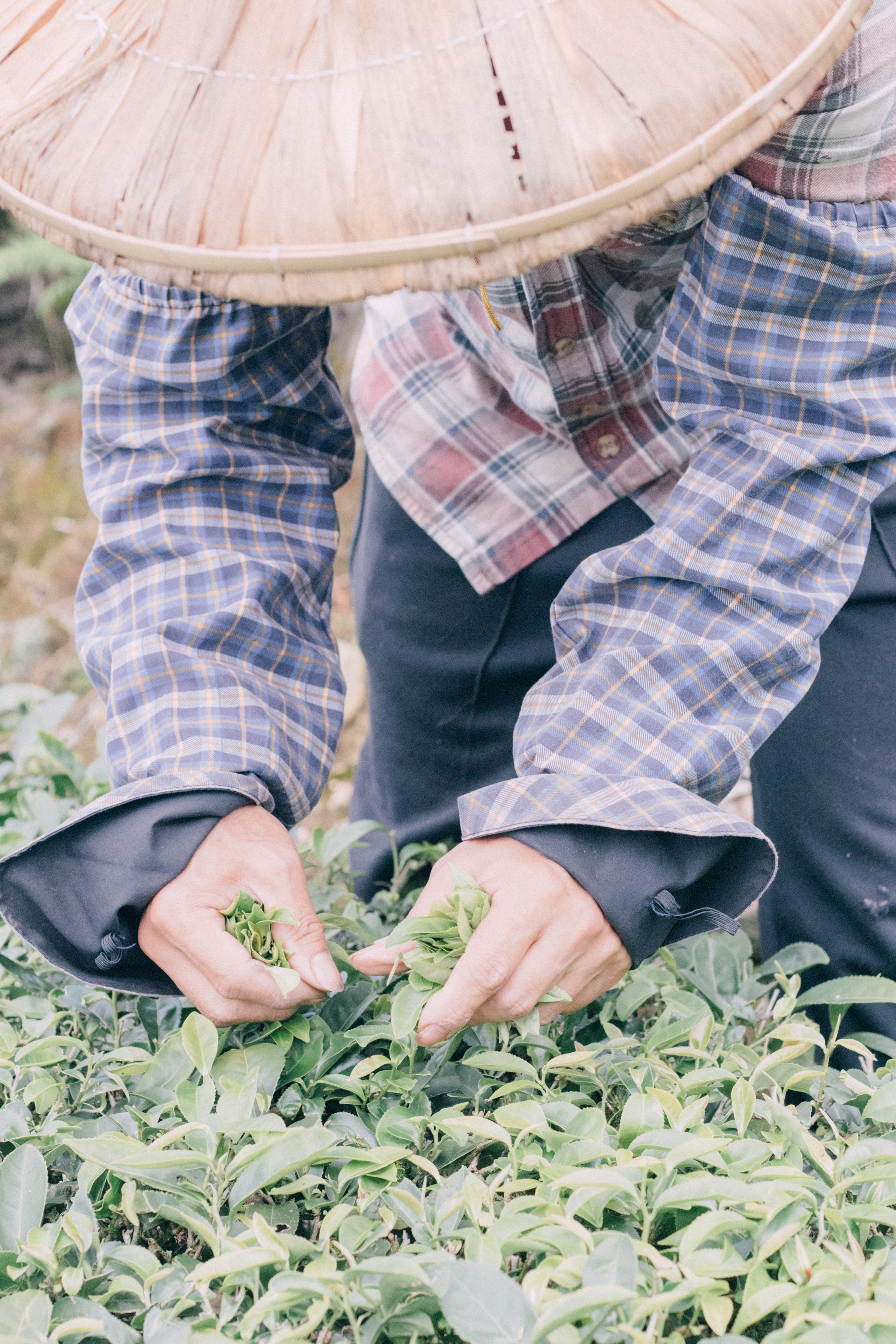
I returned to Pinglin last year to document the tea-making process after several years away. I followed my father and grandfather through their work routine, paying attention to what had changed and what had stayed the same. I strangely felt like a traveller rediscovering my own roots.

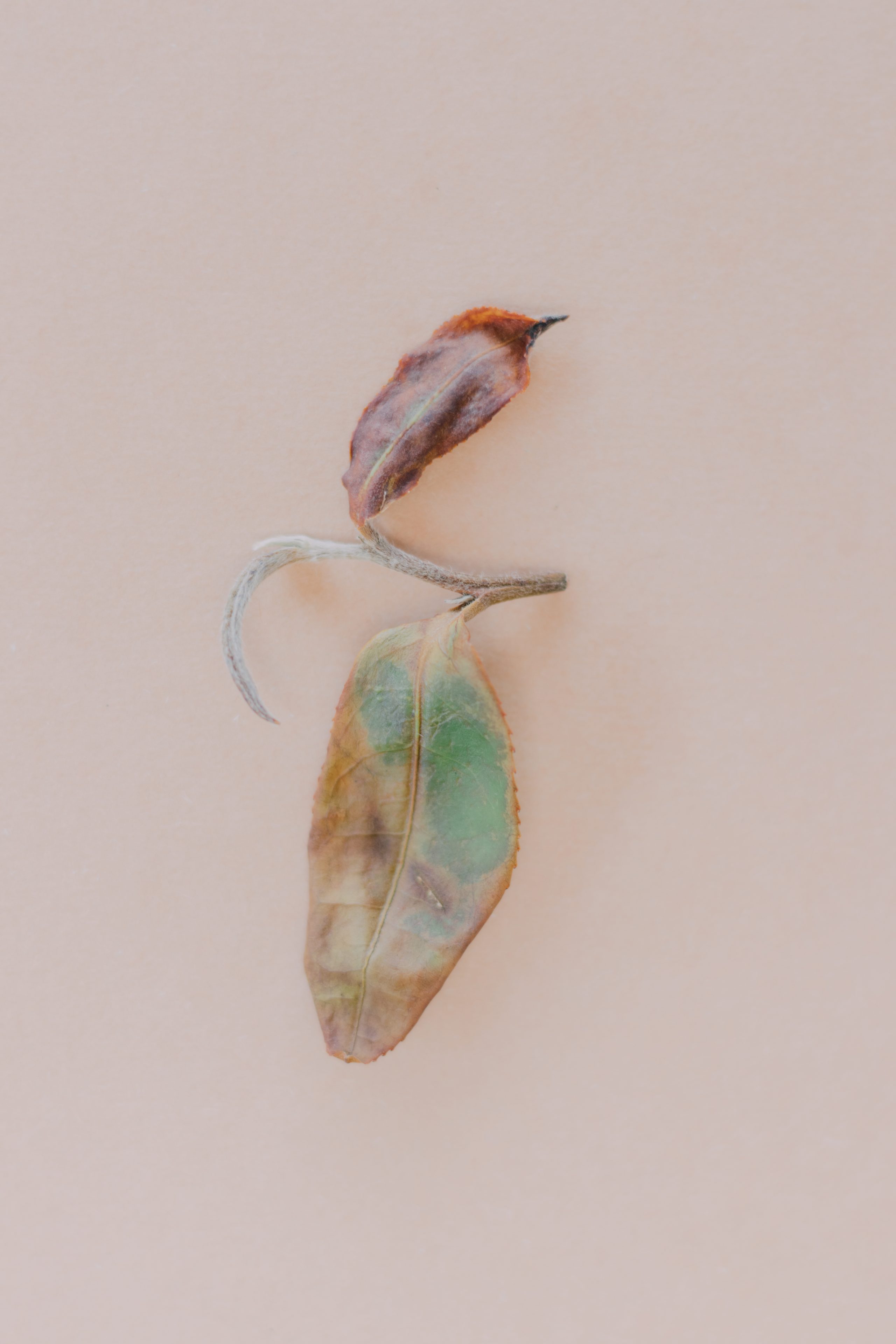
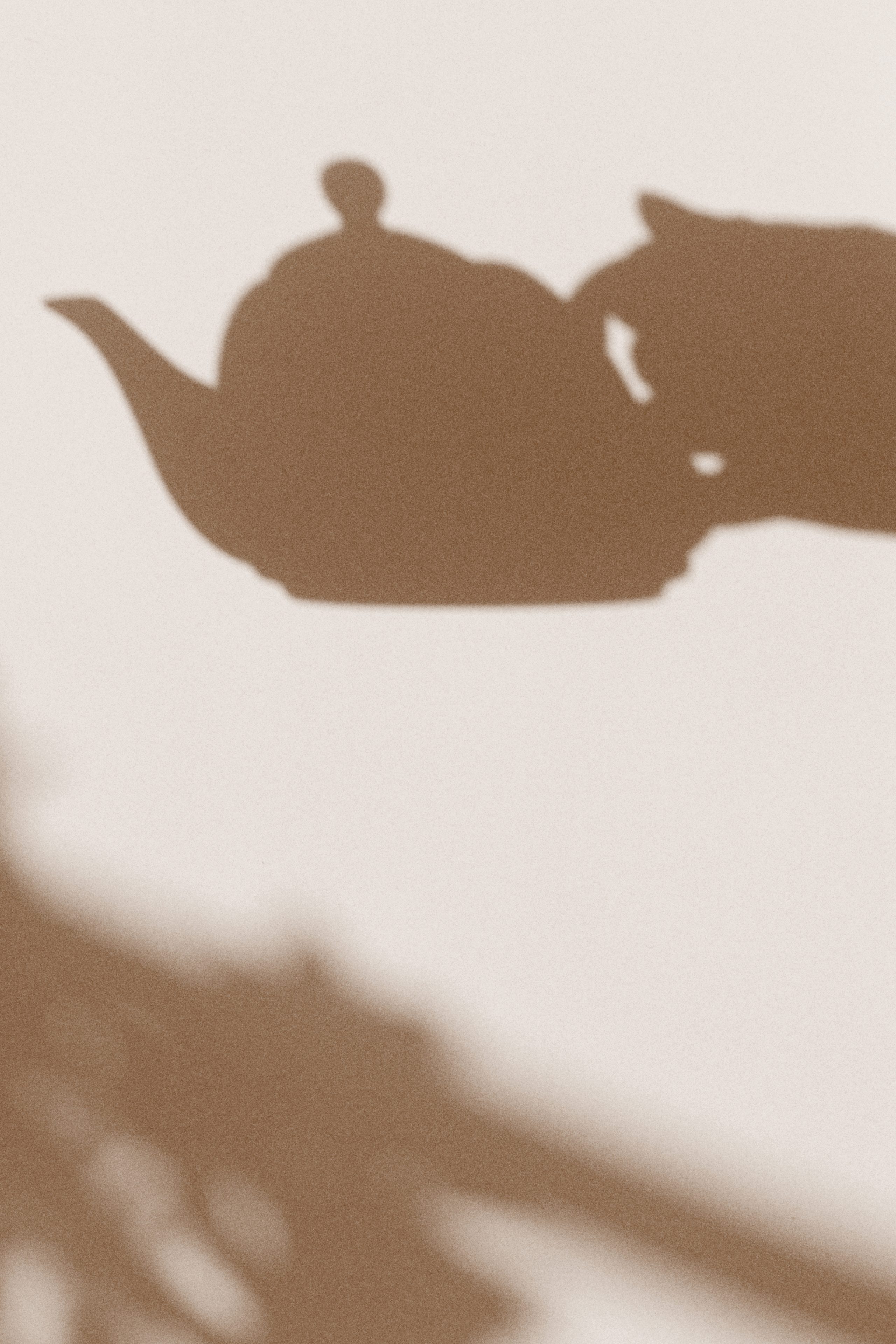
Returning home with a new perspective, I strangely felt like a traveller rediscovering my own roots.
The mountains were as beautiful as I remembered, but the tea fields that once stretched across several mountains had been reduced to a modest patch. My father was still working alongside the same worn machines that had been running for decades, but the large family gatherings from the busy harvest seasons of my childhood had vanished.
Watching my grandfather maneuver slowly through the factory and tea fields made me reflect on everything behind his movements—decades of experience, patience, and dedication. He has lived his entire life in Pinglin, following the rhythm of the tea seasons. And even now, despite his age, he continues to help my father with the work in his own gentle way.
Identifying what had changed alongside what had remained, I began to respect the familiar details I once had taken for granted—the sweat on their skin, calluses on their hands, and the repeated movements they had made for years. Behind every cup of tea was a quiet beauty, a strength, shaped by physical labour and time.
When I drink tea at home in Europe, I remember the hands behind each leaf, the patience, care, and generations of knowledge that went into something as ordinary as a cup of tea. Distance may have taken me far from home, but tea continues to bring me back.
LATEST STORIES
Our collection of digital stories highlighting the food & beverage community, beyond the coverage of our printed issues.